
Treats for diabetic dogs: what to look out for
Treats for diabetic dogs should be sugar-free, as low in fat as possible, consistently portioned and firmly built into the feeding plan – pure, dried meat snacks without added sugar or starch are usually the best choice. What matters is that the snacks affect blood sugar as little as possible and are always agreed with your vet. In this article you will learn what to look out for when choosing treats and how to plan rewards into everyday life with insulin.
Content: Treats for diabetic dogs: what to look out for
- Can diabetic dogs have treats at all?
- Which treats can a dog with diabetes have?
- How do I adjust snacks to insulin injections?
- Are pure meat snacks suitable for diabetic dogs?
- Frequently asked questions about treats for diabetic dogs
- Conclusion: plan treats for diabetic dogs carefully
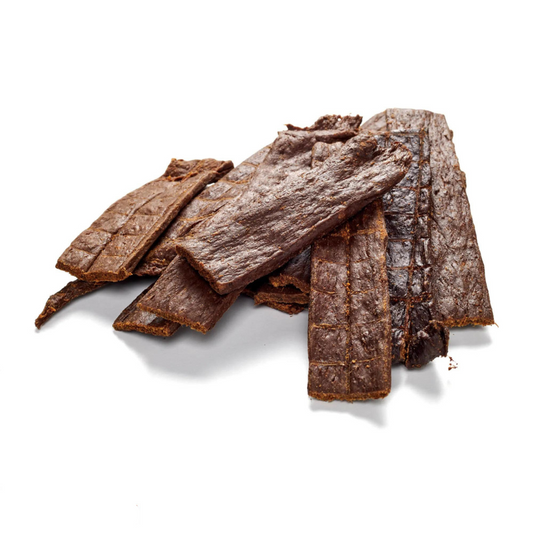
Pure meat and offal snacks without added sugar:


Can diabetic dogs have treats at all?
Yes, dogs with diabetes can usually have treats as long as they are sugar-free, given in small, consistent amounts and agreed with your vet. Rewards remain important for training, bonding and quality of life.
Why consistency matters so much
In dogs with diabetes mellitus, the pancreas produces too little insulin. Most affected dogs therefore receive insulin injections, matched to fixed meals. Every extra calorie – especially from sugar or quickly available starch – can change the blood sugar curve. The goal is therefore not to give up snacks entirely, but to make them predictable: similar types, similar amounts and similar times every day.
Your vet sets the framework
How much room your dog has for treats depends on how well it is stabilised, its weight and any other conditions. Please never change the feeding on your own, and let your vet know if you want to introduce new snacks. You will find general information on diet and illness in the article Special diets for dogs with chronic diseases.
Which treats can a dog with diabetes have?
A dog with diabetes can above all have treats that contain no sugar, honey or molasses and as little starch as possible – in other words pure, dried meat or offal snacks from a single animal species.
Suitable types of snacks
- Dried lung: light, low in calories and easy to break into small pieces – for example lamb lung.
- Freeze-dried muscle meat: consists of pure meat and crumbles easily – such as freeze-dried horse meat.
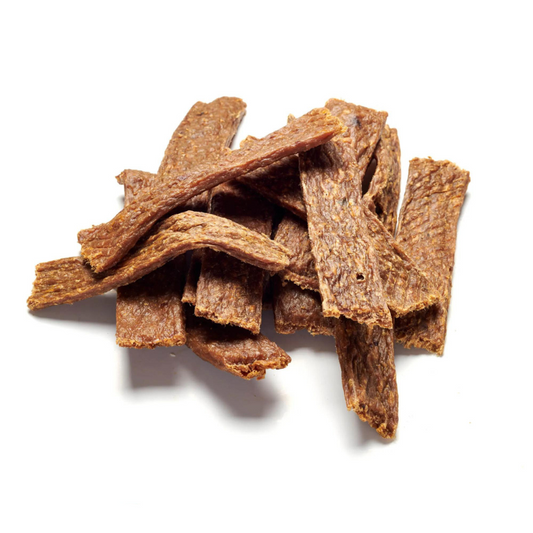
- Lean meat strips: for example rabbit or goat, dried without additives.
- Small chews: such as trachea or tendons, if your vet agrees and they are firmly planned in.
You will find a wide selection of pure meat snacks in our category meat, and small reward bites made from organs in the category offal.
Treats you are better off avoiding
- Biscuits and baked treats with grain, sugar or honey
- Snacks with pieces of fruit or fructose
- Chews with a glaze or coating
- Soft snacks with added sugar or large amounts of glycerine – it is worth checking the ingredients list here
- Table scraps, bread or sweets

What sugar and salt mean in dog snacks and where they hide is explained in the article Sugar and salt in dog snacks.
Lean meat strips without added sugar:


How do I adjust snacks to insulin injections?
It is best to plan snacks firmly into the daily routine, give similar amounts of the same types every day and subtract their calories from the food ration – that way blood sugar stays predictable. The exact fine-tuning is done by your vet.
Practical rules for everyday life
- Set a daily ration: weigh out the snacks for the whole day in the morning and put them in a tin. What is in it is the budget.
- Always the same types: stick to a few familiar snacks and do not keep switching.
- Keep to the timing: many vets recommend giving snacks in connection with meals rather than randomly throughout the day. Follow your vet's plan.
- Small pieces: what counts for your dog is the reward, not the size. Pea-sized pieces are enough.
- Take activity into account: a lot of exercise can lower blood sugar. Ask your vet how to handle active days.
The 10 percent rule as a guide
Even for healthy dogs, the rule of thumb is that treats should provide at most about 10 percent of daily energy. For diabetic dogs, vets often set a tighter limit. Our article How many treats per day? explains how to calculate the snack budget.
Know the warning signs of low blood sugar
Trembling, weakness, staggering, restlessness or disorientation can be signs of low blood sugar – for example if your dog has not eaten after its insulin injection. This is an emergency. Agree with your vet in advance on what to do in this case, and call them or the emergency service immediately.
An example from everyday life
Suppose your vet has set two meals with insulin injections in the morning and evening for your dog. You could then, for example, put a small, weighed portion of dried lung into a tin after breakfast and hand out these bites on walks and during short training sessions. The rest of the daily ration is not topped up with spontaneous extras. That way every day is similar – and it is precisely this consistency that makes it easier for you and your vet to set the insulin dose correctly and to spot changes.
Are pure meat snacks suitable for diabetic dogs?
Pure meat snacks are generally well suited to diabetic dogs because they contain hardly any carbohydrates and therefore affect blood sugar less than baked treats or sweet snacks. You should still keep an eye on the fat content and the amount.
Keep an eye on fat
Many dogs with diabetes tend to be overweight, and some also have problems with the pancreas. Lean snacks such as lung, rabbit or horse are often the better choice than fatty ears or sausages. You will find a selection in our category low-fat chews. You can also read more on the topic in our article Low-fat chews for dogs.
Comparison: snacks for diabetic dogs
| Snack | Carbohydrates | Suitability |
|---|---|---|
| Dried lung | very low | well suited, light and easy to break |
| Freeze-dried meat | very low | well suited, watch the fat content |
| Meat strips without additives | very low | well suited, break into small pieces |
| Dog biscuits, baked treats | high | better avoided |
| Softies with potato | medium | only after consulting your vet |
Weight as part of the therapy
In many diabetic dogs, body weight plays an important role in stabilisation. If a dog gains or loses weight, its insulin requirement can change too. So weigh your dog regularly, note the values and tell your vet about any changes. Treats are an adjustment you can control well yourself: small, lean pieces help keep the weight stable without your dog having to go without rewards.
Light rewards made from organs and trachea:


Frequently asked questions about treats for diabetic dogs
Which treats can a dog with diabetes have?
Sugar-free snacks that are as low in starch as possible are suitable, such as dried lung, freeze-dried meat or lean meat strips without additives. They should be given in similar amounts every day and agreed with your vet.
How do I adjust snacks to insulin injections?
Plan a fixed daily ration, always give similar types and amounts and stick to the times your vet recommends. The calories from snacks are subtracted from the food ration so that the total amount stays the same.
Are pure meat snacks suitable?
Yes, pure meat snacks contain hardly any carbohydrates and are therefore usually well suited. A small, consistent amount and a rather low fat content are important, especially for overweight dogs.
Can a diabetic dog have chews?
Often yes, if your vet agrees. Chews also provide energy and should therefore be firmly planned in. Smaller, lean chews such as trachea or tendons are easier to calculate than large, fatty chews.
What should I do if my diabetic dog has eaten the wrong treat?
A single small treat is usually no reason to panic. Watch your dog closely and contact your vet if you notice anything unusual or if larger amounts were eaten. Never change the insulin dose on your own.
Conclusion: plan treats for diabetic dogs carefully
Treats for diabetic dogs are possible if you choose sugar-free snacks that are as low in starch as possible, give small pieces and keep the daily amount consistent. Pure meat and offal snacks from a single animal species are particularly suitable. Agree every new snack with your vet, keep an eye on weight and plan rewards firmly into the daily routine – then your dog can continue to learn and enjoy life despite diabetes. You will find suitable training snacks in our category training snacks.
Further reading on this topic:
- Low-calorie treats for dogs: rewarding without weight gain
- Obesity and weight management in dogs
- Maintaining weight in senior dogs: adjusting treats
This post was created with the help of AI