Between Christmas and New Year: Quiet Days for You and Your Dog
The days between Christmas and New Year, from 27 to 30 December, are the best time to take a breather with your dog: long winter walks, quiet afternoons and a reliable daily structure do you both good. The key is to bring back your usual routine after the busy holidays and to gently prepare your dog for New Year's Eve. Here you will find ideas for outings, relaxed activities at home and the right snacks for on the go.
Content: Between Christmas and New Year: Quiet Days for You and Your Dog
- What do the days between the holidays mean for your dog?
- What can I do with my dog between Christmas and New Year?
- How do I keep the routine over the holidays?
- Rest and activities at home
- Which snacks are suitable for winter walks?
- Frequently asked questions about the days between Christmas and New Year with your dog
- Conclusion: recharge between Christmas and New Year
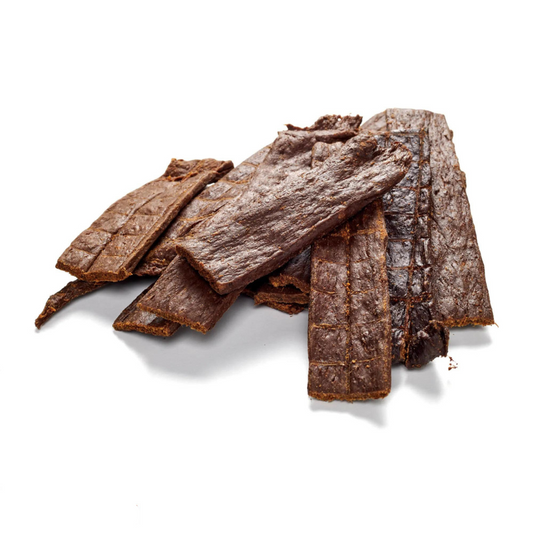
Chewing fun for quiet winter days:


What do the days between the holidays mean for your dog?
For many dogs, the days between Christmas and New Year mean fewer visitors, more time together and often a jumbled daily routine. After Christmas with lots of guests, unfamiliar smells and late evenings, many dogs need some recovery first.
Typical stress factors after the holidays
- changed feeding and walking times
- lots of titbits from guests and leftovers from the festive table
- unfamiliar noises, decorations and visitors
- the first firecrackers set off before New Year's Eve
Depending on its age, a dog sleeps for a large part of the day. Consciously give your dog this rest before you plan new activities.
The opportunity of the quiet days
At the same time, the days between Christmas and New Year offer a special opportunity: many people have time off, the paths are quieter and there is time for shared experiences without any pressure. Use them for relaxed walks, short training sessions and lots of closeness. For dogs that are often alone, these days are something special.
What can I do with my dog between Christmas and New Year?
Between Christmas and New Year you can above all go on long winter walks, calm sniffing rounds and small trips into nature with your dog. What matters is that pace and length suit your dog's age, fitness and the weather.
Ideas for outdoors
- Winter hike: a new route through the woods or fields, ideally in daylight
- Sniffing walk: walk slowly and let your dog explore the surroundings at its own pace
- Search game in the snow: hide a few treats and let your dog find them
- Meeting dog friends: a calm walk with a familiar, friendly dog
What to watch out for in winter
- Plan your walks in daylight where possible and use a light-up collar or reflectors when it gets dark.
- Check the paws after paths with grit salt and rinse them with lukewarm water.
- Short-haired, very small or older dogs get cold faster and need shorter walks or a coat.
- Take water with you, because dogs need something to drink on the go in winter too.
You will find more tips on salt and cracked paw pads in our guide Winter paw care.
How do I keep the routine over the holidays?
The best way to keep the routine over the holidays is to stick to fixed anchor points: feeding times, the first and last walk of the day and your dog's rest periods. Everything else can be flexible.
How to keep the day reliable
- Fixed feeding times: even if you have breakfast later yourself
- Usual walking times: especially in the morning and evening
- Retreat: a quiet place where your dog is not disturbed
- Count the treats: include snacks from guests and family in the daily ration
If you travel or have visitors
If you go away between Christmas and New Year or family comes to visit, plan early who will look after your dog. You will find helpful tips in Organising dog care over the holidays. Give your dog its familiar blanket and usual snacks in an unfamiliar environment too.
Gently preparing for New Year's Eve
The days between Christmas and New Year are the right moment to prepare your dog for New Year's Eve, because the bangs often start before 31 December. With a few precautions you can spare your dog a lot of stress.
- Keep your dog on the lead during these days, even if it usually runs free.
- Take the last walk of the evening early.
- Set up a quiet retreat with a blanket and a chew.
- If your dog is very anxious, talk to your vet in good time.
During these days, do not leave your dog alone in the garden when fireworks are already going off in the neighbourhood, and secure doors and gates. If your dog gets frightened, stay calm and offer closeness without crowding it. You will find detailed tips in Dogs on New Year's Eve: avoiding fear and panic.
Rest and activities at home
On quiet days at home, chews, search games and short brain teasers help keep your dog balanced without getting it overexcited. Calm chewing can help many dogs relax.
Ideas for indoors
- let your dog chew a long-lasting chew such as the buffalo hide bone on its blanket
- roll treats up in a towel and let your dog unwrap them
- a small food search around the home
- short training sessions with tricks your dog already knows
Our article Chewing against stress explains why chewing can be calming. You will find long-lasting chews in the chewing fun category. For smaller dogs or careful chewers, the halved deer antler is a good choice because the marrow is easier to reach.
Plan rest consciously
More activity is not always better. After a long outing, plan a quiet afternoon and let your dog sleep as much as it wants. Many dogs reward this with relaxed behaviour.
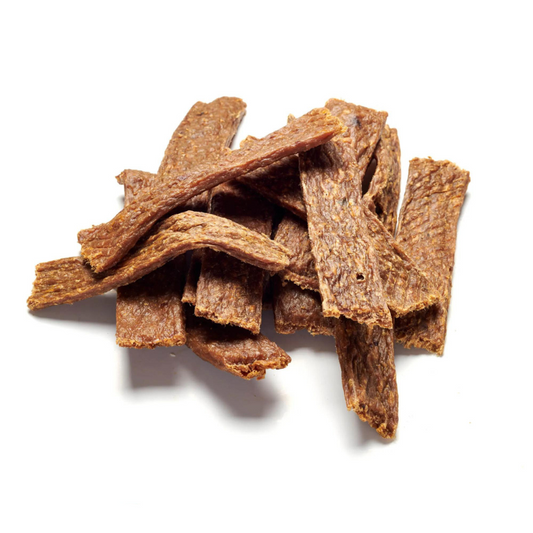
Small snacks for winter walks and search games:


Which snacks are suitable for winter walks?
Small, dry and light snacks are ideal for winter walks, as they do not smear in your jacket pocket and do not turn rock hard in the cold. Mini meat cubes and soft training treats are perfect for this.
| Type of snack | Advantage | Use |
|---|---|---|
| Mini meat cubes | small, dry, easy to portion | reward, recall, search game |
| Softies | soft, eaten quickly | short training sessions |
| Chews | long-lasting activity | break at home, not on the go |
You will find a large selection of small snacks under mini meat cubes and training snacks. Soft alternatives such as chicken and potato softies are available in the softies category.
Tips for on the go
- Portion the daily amount into a treat pouch in advance.
- Reward above all the recall and calm behaviour when meeting other dogs.
- Skip festive leftovers such as biscuits, chocolate or roast completely.
Frequently asked questions about the days between Christmas and New Year with your dog
What can I do with my dog between Christmas and New Year?
Winter walks in daylight, calm sniffing rounds and search games with small treats are ideal. At home, chews and short brain teasers provide balance. It is important that there is also enough rest.
How do I keep the routine over the holidays?
Stick to feeding times, the first and last walk and rest periods. Count snacks from guests in the daily ration and give your dog a quiet place to retreat.
Which snacks are suitable for winter walks?
Small, dry snacks such as mini meat cubes or soft training treats are the most practical. They are easy to portion and stay clean in your pocket. Save bigger chews for a break at home.
Does my dog need more food in winter?
That depends on coat, activity and living conditions. Many dogs that live indoors hardly need more. Keep an eye on its weight and ask your vet if you are unsure.
When should I start preparing for New Year's Eve?
Ideally already between Christmas and New Year, because in many places fireworks go off earlier. Keeping your dog on the lead, early evening walks and a safe retreat help your dog.
Conclusion: recharge between Christmas and New Year
The days between Christmas and New Year are a valuable time for you and your dog. Bring back the usual routine after the holidays, plan winter walks in daylight, protect the paws from grit salt and give your dog plenty of rest. Small, dry snacks accompany you on the go, while long-lasting chews ensure relaxation at home. This way you will start the new year together calmly.
Further reading on this topic:
- New Year's resolutions for you and your dog: How to stay fit and happy
- Walking your dog in the dark: safe through the dark season
- Scent Work for Beginners: Food Search in the Garden
This post was created with the help of AI