
Low-Fat Dog Chews for Overweight Dogs & Pancreatitis
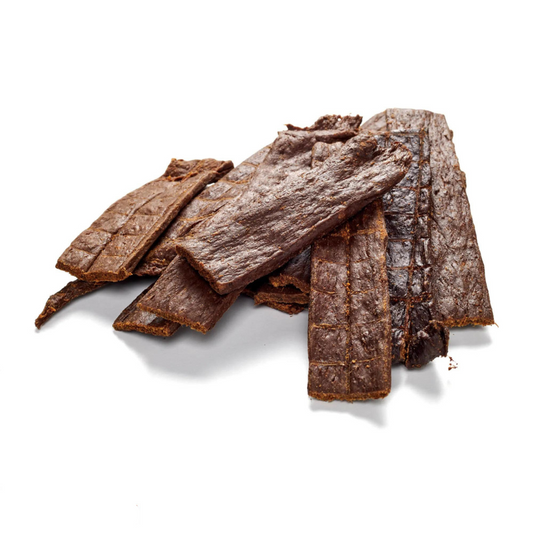
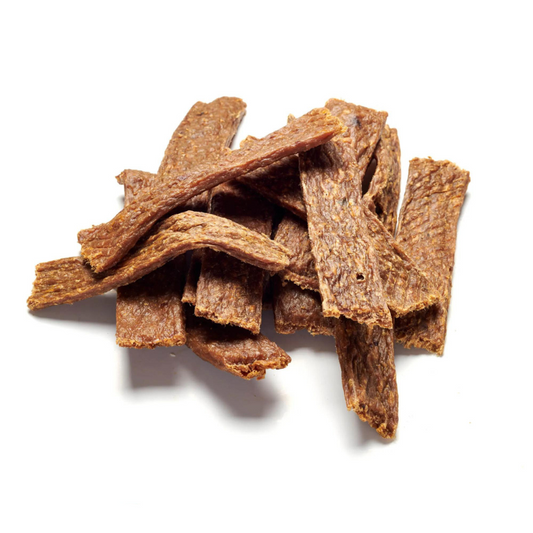
Low-fat dog chews are chews made from lean meat, skin or offal that contain little fat and usually fewer calories as a result. Good examples include rabbit ears, chicken breast, horse meat, lung or rolled scalp – they are a smart choice for overweight dogs and, after talking to your vet, for dogs with pancreatitis too. In this post, you'll find out which chews are low in fat, what to look out for and how to portion them correctly.
Content: Low-Fat Dog Chews for Overweight Dogs & Pancreatitis
- Why choose low-fat dog chews?
- Which chews are low in fat?
- Low-fat dog treats for overweight dogs
- Chews for dogs with pancreatitis: what to keep in mind
- How to spot low-fat chews
- Frequently asked questions about low-fat chews
- Conclusion: choosing low-fat dog chews wisely
Lean chews that still taste great:


Why choose low-fat dog chews?
Low-fat dog chews offer chewing fun and a reward without adding much extra energy to your dog's daily ration. Gram for gram, fat contains more than twice as many calories as protein – which is why even small amounts of fatty snacks can make a noticeable difference.
Which dogs benefit from low-fat chews?
- Overweight dogs that need to lose weight but shouldn't have to give up chewing and rewards.
- Dogs prone to pancreatitis or other conditions for which the vet recommends a reduced-fat diet.
- Neutered or senior dogs, whose energy needs often drop.
- Dogs with sensitive stomachs that don't tolerate fatty snacks well.
- Less active dogs, for example during the colder months or while recovering.
Why chewing still matters
Chewing is a natural need. It keeps your dog busy, can have a calming effect and supports mechanical tooth cleaning. So instead of cutting out chews altogether, it's worth switching to lean varieties. You'll find a wide selection in our low-fat chews category.
Which chews are low in fat?
Chews made from lean muscle meat (such as rabbit, chicken or horse), lung, and dried skin and scalp are generally low in fat. Pig ears, sausages, marrow bones and many lamb products, on the other hand, tend to be higher in fat.
Overview: typical fat content of popular chews
Exact values vary depending on the animal, the cut and the drying method. The table therefore only shows rough tendencies – the crude fat figures on the packaging or in the product description are what counts.
| Chew | Fat content (tendency) | Note |
|---|---|---|
| Rabbit ears without fur | low | short chew, suitable for small dogs too |
| Chicken breast, dried or freeze-dried | low | very lean, ideal as a reward |
| Horse meat | low | popular for dogs with food intolerances |
| Lung (beef, horse, lamb) | low | light and airy, easy to break into pieces |
| Scalp and skin, rolled | low to medium | longer-lasting chew |
| Cow ears | medium | varies depending on the cut |
| Lamb products | medium to high | lamb meat is often fattier |
| Pig ears, sausages, marrow bones | high | best avoided during a diet or with pancreatitis |
Lean meats at a glance
- Rabbit: lean and easy to digest – for example as ears, meat cubes or rolled rabbit skin. You'll find all varieties under Rabbit.
- Chicken: breast meat in particular is very low in fat. Browse our Chicken category.
- Horse: lean muscle meat with a hearty flavour – find out more under Horse.
Longer-lasting chews made from rolled skin:


Low-fat dog treats for overweight dogs
If your dog is overweight, low-fat dog treats help cut calories without your dog having to miss out on rewards – but the total amount is still what matters most.
How to fit treats into a diet plan
- Know where you stand: Ideally, have your vet determine your dog's ideal weight and the right amount of food.
- Set a treat budget: Treats should only make up a small share of daily energy intake – around a tenth is often recommended.
- Subtract, don't add: Whatever you feed as treats comes off the main meal.
- Keep pieces small: Break meat strips or cubes into smaller pieces – for your dog, it's the reward that counts, not the size.
- Track progress: Check your dog's weight and body shape regularly.
Our article Spotting an overweight dog: the rib test explains how to reliably tell if your dog is carrying extra weight. For more weight-loss tips, read Obesity and weight management in dogs.
Reward smartly
- Use part of your dog's regular food ration as everyday rewards.
- Save special treats for training and challenging situations.
- Now and then, replace treats with praise, play or time together.
- For dogs with sensitive teeth, soft varieties such as soft rabbit meat cubes are a good fit.
Small, lean rewards for training:


You'll find more bite-sized options in our training treats category.
Chews for dogs with pancreatitis: what to keep in mind
A dog with pancreatitis should only be given chews after consulting the vet – and even then, usually only very low-fat varieties in small amounts.
Key ground rules
- Acute phase: During acute inflammation, only your vet decides what and how much your dog may eat. Chews are usually off the menu at this point.
- After the acute phase: Many vets recommend a long-term reduced-fat diet. Treats need to fit into this plan.
- Avoid fatty chews: Pig ears, sausages, marrow bones and fatty table scraps are unsuitable.
- Test new treats one at a time: Only ever introduce one new variety and watch how your dog reacts.
Warning signs that mean a trip to the vet
- Vomiting or repeated diarrhoea
- Abdominal pain, for example recognisable by a "praying position" or sensitivity to touch
- Loss of appetite, weakness or fever
To learn how diet can be adapted for chronic conditions, read our article Special diets for dogs with chronic diseases. If your dog has a sensitive stomach, our guide to natural dog treats for sensitive stomachs can help too.
How to spot low-fat chews
The best way to spot low-fat chews is the "crude fat" value in the product description, along with the ingredient and appearance: lean treats are usually light in colour, dry and not shiny.
Shopping checklist
- Compare crude fat: The lower the value, the leaner the treat. Always compare products on the same basis (per 100 g).
- Go for single-protein treats: A single ingredient makes it easier to judge fat content and tolerance.
- Look and feel: Fatty treats often feel oily or leave grease marks on paper.
- Avoid additives: Natural chews without sugar, flavourings or fillers are usually the better choice.
- Choose the right size: A large low-fat chew can still add up to a lot of calories overall.
Skin chews as an alternative to ears
Rolled skin, such as rolled horse skin, consists mainly of connective tissue and lasts longer. For many dogs, it's a good alternative to fattier ears.
Frequently asked questions about low-fat chews
Which chews are low in fat for dogs?
Chews made from rabbit, chicken breast, horse meat and lung, as well as rolled skin and scalp, are generally low in fat. Pig ears, sausages, marrow bones and many lamb products are usually fattier. The crude fat content in the product description is what counts.
What can a dog with pancreatitis chew on?
That's for your vet to decide, as every case is different. If chews are allowed, usually only very lean varieties such as rabbit, chicken breast or lung in small amounts are an option. Fatty treats should be strictly avoided.
Which treats are suitable for overweight dogs?
Small, lean treats such as pieces of chicken breast, rabbit meat cubes or lung cubes are a good choice. It's important to subtract them from the daily ration. Part of your dog's regular food can also be used as a reward.
How often can my dog have low-fat chews?
Healthy dogs can often have small chews every day, as long as the total amount of treats stays within reason. If your dog is overweight or has a health condition, agree on how often and how much with your vet.
Are rabbit ears with fur low in fat too?
Rabbit ears are lean by nature, and the fur mainly provides fibre. If your dog has a sensitive digestion, introduce them slowly and keep an eye on how well they are tolerated.
Conclusion: choosing low-fat dog chews wisely
Low-fat dog chews let your dog enjoy chewing and rewards, even if they need to lose weight or follow a reduced-fat diet. Rabbit, chicken breast, horse meat, lung and rolled skin are good options, while pig ears, sausages and marrow bones are best kept to the sidelines. What matters is the total amount, the crude fat content and – with conditions such as pancreatitis – always consulting your vet. That way, your dog stays slim, happy and well occupied.
Further reading on this topic:
This post was created with the help of AI