
Freeze-dried treats for cats
Freeze-dried cat treats are a good choice for cats because they usually consist of pure meat, offal or fish and largely retain their taste and smell thanks to the gentle drying process. As pure carnivores, cats are well suited to them – provided you feed them in small amounts as a supplement to their main food. Here you will learn what freeze-dried means, which types cats particularly like and how many treats per day make sense.
Content: Freeze-dried treats for cats
- Are freeze-dried treats good for cats?
- Freeze-dried cat treats: how they are made
- Which types of meat do cats like?
- How many treats can a cat have per day?
- Feeding and storing freeze-dried cat treats
- Frequently asked questions about freeze-dried cat treats
- Conclusion: freeze-dried treats – pure and cat-friendly
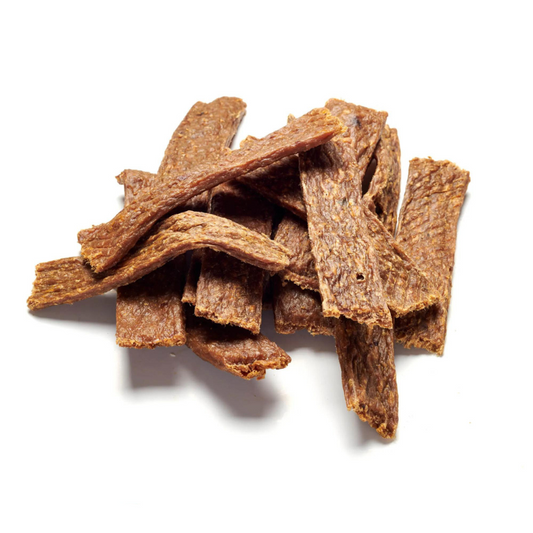
Pure poultry treats, gently freeze-dried:


Are freeze-dried treats good for cats?
Yes, freeze-dried treats are well suited to most healthy cats, as long as they consist of pure meat or fish without sugar, grain or artificial additives and only make up a small part of the daily ration.
Suitable for carnivores
Cats are obligate carnivores: their bodies are designed for animal protein and fat, and they hardly need carbohydrates. A treat made from 100 percent freeze-dried chicken breast meets this need much better than a treat with lots of grain or sugar. You can read what makes a healthy cat treat in general in our guide Cat treats: which snacks are healthy?.
Benefits at a glance
- Intense flavour: The smell is largely retained – this even convinces picky cats.
- Light and airy: The treats can be crumbled with your fingers and are easy to portion.
- Single protein: Many types consist of just one animal species, which is helpful for sensitive cats.
- Versatile: As a reward, as a topping on food or soaked as a juicy snack.
When to be careful
If your cat has kidney disease, diabetes, excess weight or food allergies, you should always discuss treats with your vet. Cats on a special diet should also only receive treats that fit their nutrition plan.
Freeze-dried cat treats: how they are made
For freeze-dried cat treats, the raw meat is first deep-frozen and then dried in a vacuum, so that the water passes directly from ice to vapour – without strong heating.
The difference from air-dried treats
Air-dried treats are dried with warm air over a longer period and are usually firmer and chewier. Freeze-dried treats, on the other hand, remain porous, light and crunchy. Thanks to the gentle processing, structure, colour and aroma are well preserved. We explain the process in detail in our article Freeze-dried dog treats: benefits and differences – the basics apply to cats just the same.
Tip: soak for extra fluid
Because freeze-dried treats are porous, they quickly absorb water again. A few minutes in lukewarm water make them soft and juicy – an easy way to offer your cat a little extra fluid.
Which types of meat do cats like?
Most cats particularly like poultry such as chicken and turkey as well as fish; beef, game or horse are also readily accepted by many cats – but preferences are individual.
Popular types at a glance
| Type | Special feature | Good for |
|---|---|---|
| Chicken breast | lean, mild | getting started and daily rewards |
| Chicken heart | offal, natural source of taurine | varied treats |
| Chicken gizzards | firm bite | cats that like to chew a little |
| Beef, game, horse | strong flavour | variety, single-protein alternatives |
Offal in moderation
Hearts and gizzards are very popular with cats. Heart muscle is considered a natural source of taurine, an amino acid that is particularly important for cats. Even so, offal is only part of a varied diet and does not replace complete food. You can find out more in our article Chicken hearts and gizzards and in the category Offal.
Introduce new types slowly
Offer a new type in very small amounts at first and watch whether your cat tolerates it well. If it vomits or has diarrhoea, leave that type out. You will find more types in the category Poultry.
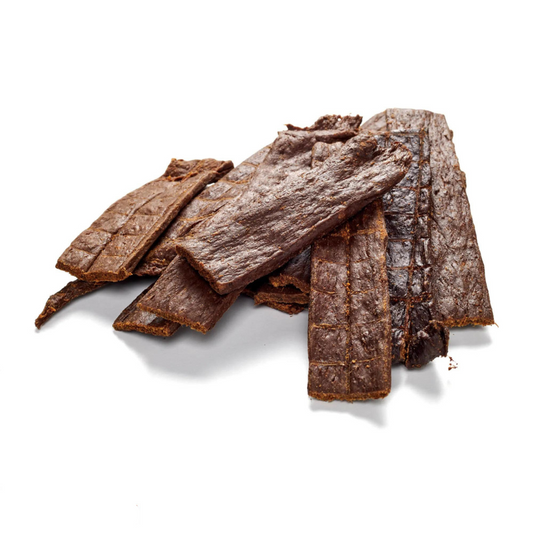
Variety with beef, game and horse:


How many treats can a cat have per day?
A cat should get no more than about 10 percent of its daily energy requirement from treats – for an average adult indoor cat that is roughly 20 to 25 kcal, i.e. only a few grams of freeze-dried treats.
Rule of thumb in practice
Freeze-dried meat contains hardly any water and is therefore energy-dense. For an adult cat weighing around 4 kg, a small pinch of approx. 5 grams per day is often enough. The information in the product description is always binding. We explain how the 10 percent rule works in detail in How many treats per day? – the principle applies to cats as well.
How to keep the amount in check
- Weigh the daily ration: In the morning, put the treats for the day into a small tin.
- Crumble: Break larger pieces into small crumbs – that way the amount lasts for several rewards.
- Adjust the food: If your cat gets more treats, reduce the main food slightly.
- Check the weight: Weigh your cat regularly and keep an eye on its figure.
Special situations
Neutered cats and indoor cats often use less energy and gain weight more easily – here the treat budget can be on the smaller side. Older cats with sensitive teeth usually cope better with soaked treats. And for very active outdoor cats the amount can be a little more generous, as long as their weight stays stable. If in doubt, your vet can help you determine the right amount for your cat.
Feeding and storing freeze-dried cat treats
It is best to feed freeze-dried cat treats in small pieces as a reward or topping and to store them well sealed, dry and cool so that they stay crunchy.
Ideas for everyday life
- Reward in clicker training: Small crumbs are ideal for many repetitions.
- Food topping: A little crumbled treat makes food more attractive for fussy cats.
- Enrichment: Hidden in puzzle boards or sniffing toys, treats encourage the hunting instinct.
- Variety with fish: Mini salmon coins or cod cubes from the category Cats are also popular with many cats.
Storing correctly
Freeze-dried treats draw moisture from the air. Close the pack well after each use and store it in a dry place. Soaked treats should be fed straight away. It is best to keep them in the original packaging or an airtight tin.
Small treats from our cat range:


Frequently asked questions about freeze-dried cat treats
Are freeze-dried treats good for cats?
For healthy cats, freeze-dried treats made from pure meat or fish are a good choice. They contain no unnecessary carbohydrates and have an intense flavour. It is important to feed them only in small amounts as a supplement.
Which types of meat do cats like?
Chicken, turkey and fish are particularly popular. Many cats also like hearts or gizzards as well as beef and game. Try different types in small amounts to find your cat's favourite.
How many treats can a cat have per day?
Treats should make up no more than about 10 percent of the daily energy requirement. With freeze-dried treats, this corresponds to only a few grams per day for an average cat. You will find the exact values in the product description.
Can I soak freeze-dried treats?
Yes, in lukewarm water they become soft after a few minutes. This gives your cat a little extra fluid. Soaked treats should be fed promptly and leftovers removed.
Can kittens have freeze-dried treats?
Kittens can have small amounts as soon as they eat solid food. Break the treats up well and make sure that kitten food makes up most of the ration. If you have any questions, your vet will be happy to help.
Conclusion: freeze-dried treats – pure and cat-friendly
Freeze-dried treats suit cats well because they usually consist of pure meat, offal or fish and have an intense flavour. If you feed them in small amounts, introduce new types slowly and keep an eye on the calories, they are a healthy reward and a welcome change in the bowl. If your cat has health issues, discuss treats with your vet. You will find the whole range in our category Freeze-dried.
Further reading on this topic:
- Cat treats: which snacks are healthy for cats?
- Chew snacks for cats: types, benefits, and what to look out for
- Chicken Hearts and Gizzards: Organ Treats for Dogs and Cats
This post was created with the help of AI