
Freeze-Dried Dog Treats: Benefits and Differences
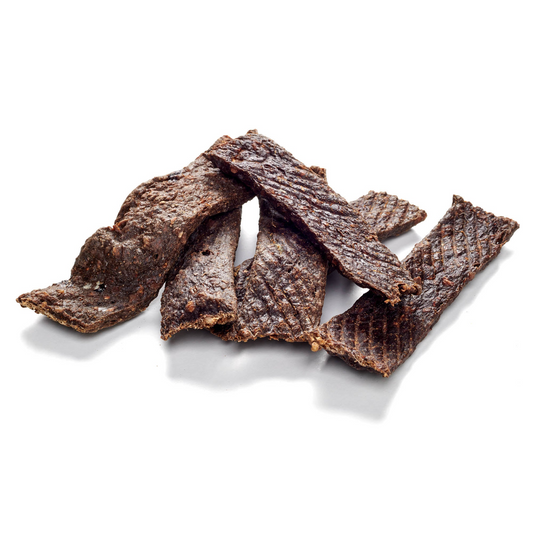
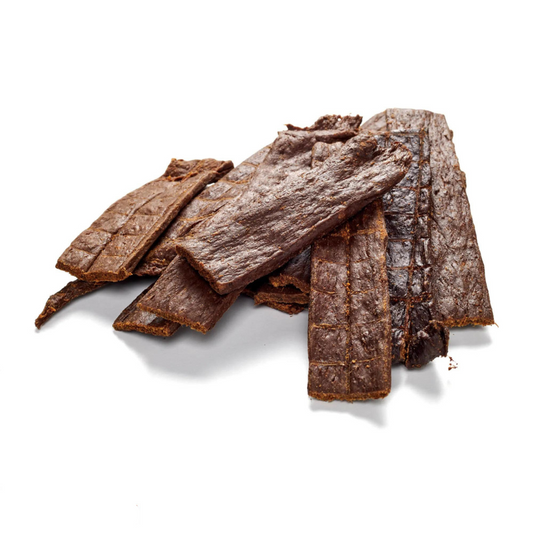
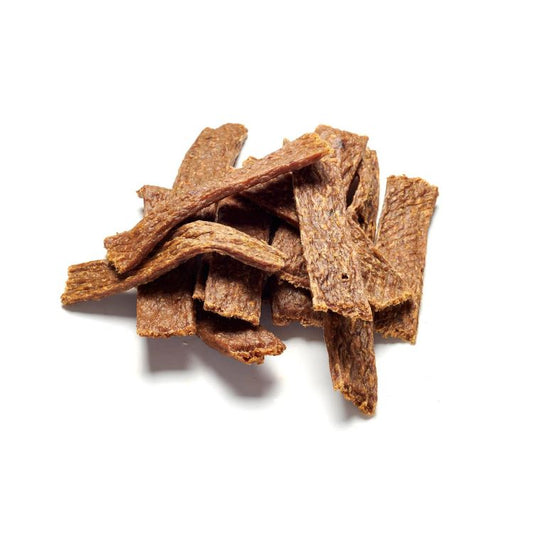
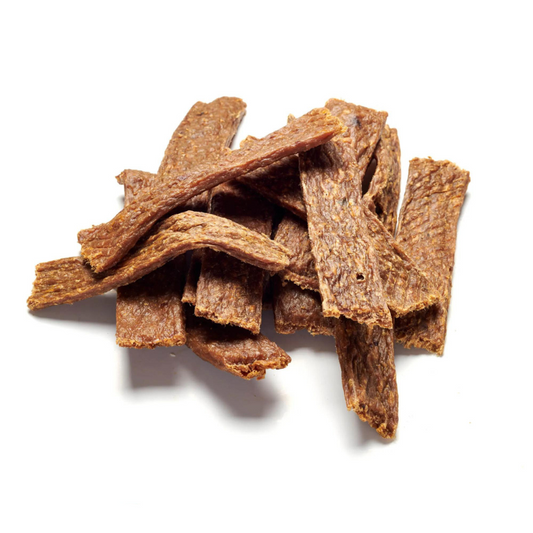
Freeze-dried dog treats are made from meat, fish or organ meat that has had almost all of its water removed using cold and a vacuum. Compared with air-dried dog treats, they are lighter and airier and hold on to the shape, smell and taste of the original ingredient especially well – which is why so many dogs go crazy for them. In this post you'll learn how freeze-drying works, how the methods differ and how to make the most of these treats.
Content: Freeze-Dried Dog Treats: Benefits and Differences
- What are freeze-dried dog treats?
- Freeze-dried vs. air-dried: the differences
- Benefits of freeze-dried dog treats
- Freeze-dried treats for training
- How to feed and store them
- Frequently asked questions about freeze-dried dog treats
- Conclusion: freeze-dried dog treats as a natural reward
Discover our freeze-dried favourites for your dog!


What are freeze-dried dog treats?
Freeze-dried dog treats are snacks preserved by freeze-drying (the technical term is lyophilisation). Most of them contain just one animal ingredient, such as chicken breast, beef heart or fish. The process originally comes from the food and pharmaceutical industries and is now also used for high-quality pet treats.
How freeze-drying works
- Freezing: The meat is first deep-frozen, turning the water it contains into ice.
- Vacuum: The air pressure inside a vacuum chamber is lowered dramatically.
- Sublimation: With gentle heat, the ice turns straight into water vapour without becoming liquid first. The vapour is then drawn off.
- Secondary drying and packaging: The remaining moisture is reduced further, and the treats are then packed as airtight as possible.
Because the water never leaves the cell structure as a liquid, the original shape is largely preserved. Tiny air pockets form – which gives the treats their typical light, slightly crumbly texture.
Typical varieties
- Muscle meat: chicken, beef, horse or game – lean and rich in protein.
- Organ meat: heart, lung or gizzards, for example freeze-dried beef lung or freeze-dried chicken gizzards.
- Fish and seafood: such as North Sea shrimp.
- Chews: Larger pieces such as bully sticks are now also available freeze-dried.
You'll find an overview of all varieties in our freeze-dried treats category.
Freeze-dried vs. air-dried: the differences
The key difference: freeze-dried treats are dehydrated cold in a vacuum, while air-dried treats are dried with warm air over a longer period. This leads to differences in texture, weight, taste and price.
| Feature | Freeze-dried | Air-dried |
|---|---|---|
| Method | Freezing, vacuum, sublimation | Drying with warm air |
| Temperature | mostly low | moderately raised for hours to days |
| Texture | light, porous, crumbly | denser, firmer, often chewy |
| Shape and colour | largely preserved | pieces shrink and darken |
| Smell | intense, close to the original | rich and savoury |
| Chewing time | short | short to long, depending on the product |
| Price per kilo | usually higher | usually lower |
What does this mean for your dog?
Both methods are suitable for natural dog treats without artificial additives. Freeze-dried treats are ideal when you need something quick and want small, highly tempting rewards. Air-dried treats come into their own when your dog should chew for longer or when you're looking for a more affordable everyday treat. Many dog owners use both.
Classic air-dried alternatives include our mini meat cubes – handy, natural and easy to portion. You can read more about lung, tripe and other organ meats in our post Dried lung, tripe & co.
Air-dried classics in a handy mini format:


Benefits of freeze-dried dog treats
Freeze-dried dog treats are light, flavourful and usually produced very gently – which makes them a popular reward for dogs and cats.
Gentle processing
Because drying takes place mostly at low temperatures, freeze-drying is considered particularly gentle. Heat-sensitive nutrients and the natural aroma are therefore usually well preserved. Whether that makes a treat "healthier" for your dog, however, depends mainly on the ingredient, the amount and the overall diet.
Dogs love them
- Intense smell: The treats smell strongly of the original ingredient – even fussy eaters are often keen.
- Single ingredients: Many products are made from just one animal source. That makes choosing easier if your dog doesn't tolerate certain types of meat.
- For cats too: Small freeze-dried pieces are popular with many cats. You'll find suitable treats in our cat treats category.
Practical for everyday life
- Very light, so ideal for walks, day trips and travel.
- Easy to break into small pieces with your fingers.
- Can be soaked in a little water if needed – for example for senior dogs with sensitive teeth.
- Work well as a topper sprinkled over food to make meals more interesting.
Possible downsides
Freeze-dried treats usually cost more per kilo, because the process is complex and very little weight remains. They also crumble more easily in your pocket. And they only keep your dog chewing for a short time. If your dog likes a long chew, classic chews are the better choice.
Freeze-dried treats for training
Yes, freeze-dried treats are great for training because they smell strongly, are eaten quickly and can be broken into tiny pieces.
Which varieties work best?
- Chicken breast or beef: lean, easy to break up, high reward value.
- Chicken hearts: especially flavourful, ideal as a "jackpot" for tricky exercises.
- North Sea shrimp: very small and light – handy for lots of repetitions.
- Cheese chews: a meat-free change for dogs that tolerate cheese well.
How to use them properly
- Break the treats into pea-sized pieces before training.
- Keep them in a treat pouch so they don't crumble.
- Save them for new or difficult exercises – lower-value rewards are enough for easy tasks.
- Deduct training treats from your dog's daily ration.
For more ideas, take a look at our post Training treats for dog training. You'll also find ready-made reward bites in our training treats category.
Perfect training rewards – light and full of flavour:


How to feed and store them
Freeze-dried dog treats are best fed in small amounts as a supplement to main meals and stored dry and airtight.
Amount and feeding
- Watch the calories: Because the water is gone, the treats are more energy-dense than fresh meat. A small handful can already be a lot for a small dog.
- Rule of thumb: Treats should make up only a small share of your dog's daily energy intake in total – around a tenth is often recommended.
- Provide water: Dry treats absorb liquid in the stomach. Make sure your dog always has fresh water available.
- Introduce slowly: Offer new varieties in small amounts first, especially if your dog has a sensitive stomach.
Our post The right balance explains why treats are no substitute for a main meal.
Hygiene
Depending on how they're made, freeze-dried treats may not be heated. Wash your hands after feeding and store the treats separately from food – especially if young children or people with weakened immune systems live in your household.
Storage
- Reseal the bag well after opening or transfer the treats to an airtight container.
- Store in a dry, cool and dark place – moisture makes the treats soft and shortens their shelf life.
- Use up opened packs quickly and check the best-before date.
You'll find detailed tips in our guide How to store chews properly.
Frequently asked questions about freeze-dried dog treats
Are freeze-dried treats healthier for dogs?
Freeze-dried treats are produced very gently, so the aroma and many nutrients are well preserved. Whether they are "healthier", however, depends mainly on the ingredient and the amount. An air-dried treat made from pure meat is also a natural choice.
What is the difference between freeze-dried and air-dried dog treats?
Freeze-dried treats are deep-frozen and dehydrated in a vacuum, while air-dried treats are dried with warm air. As a result, freeze-dried treats are lighter, more porous and more flavourful, whereas air-dried ones are firmer, chewier and usually cheaper.
Which freeze-dried treats are good for training?
Lean varieties such as chicken breast or beef work especially well, as do very small treats like North Sea shrimp. They are easy to break up and quick to eat. Chicken hearts are a good choice for particularly high-value rewards.
Can puppies have freeze-dried treats?
Generally yes, as long as the pieces are small enough and you feed them sparingly. Start with one variety and small amounts so your puppy's stomach can get used to it. If you're unsure, ask your vet.
How long do freeze-dried dog treats last?
Unopened, they usually keep for a long time – the best-before date on the pack is what counts. Once opened, store them airtight and dry and use them up within a few weeks.
Conclusion: freeze-dried dog treats as a natural reward
Freeze-dried dog treats are light, flavourful snacks usually made from a single ingredient. They're excellent for training, on the go and as a food topper – but they cost more per kilo and offer hardly any chewing time. Air-dried treats remain a good alternative for everyday use and longer chewing. If you combine both and keep an eye on the amount, you'll have the right reward for every situation. Why not try freeze-dried chicken hearts or the freeze-dried bully stick for a bit more chewing fun? You'll find more ingredient ideas in our organ meat category.
Further reading:
- Treats and snacks in dog training
- BARF treats: the perfect addition to raw feeding
- Dried lung, tripe & co: it's what's inside that counts
This post was created with the help of AI