
Christmas baking: which ingredients are dangerous for dogs
Many Christmas biscuits are toxic or at least dangerous for dogs, because typical baking ingredients such as chocolate, raisins, xylitol, macadamia nuts or nutmeg can cause serious poisoning. Human Christmas biscuits therefore never belong in the dog bowl – nor within reach of your dog’s nose. In this post you will learn which ingredients are particularly critical, how to recognise poisoning and which snacks are a safe alternative.
Content: Christmas baking: which ingredients are dangerous for dogs
- Which biscuit ingredients are toxic to dogs?
- Chocolate, raisins and xylitol: the biggest dangers
- Other risks in Christmas baking
- What to do if my dog has eaten chocolate?
- Which Christmas snacks are safe for dogs?
- Frequently asked questions about Christmas biscuits and dogs
- Conclusion: biscuits are off limits, dog treats are fine
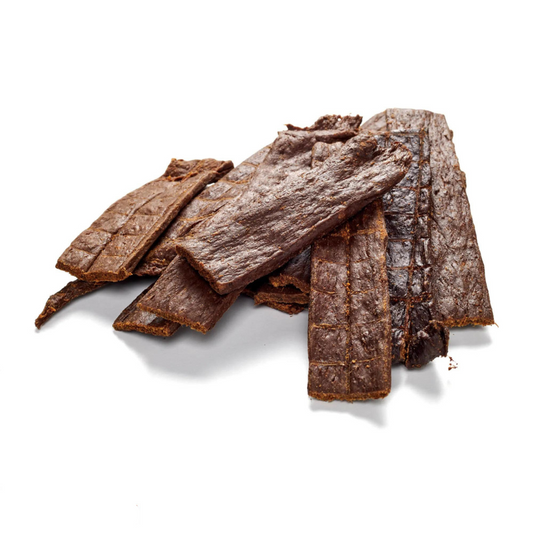
Crunchy crackers for dogs instead of Christmas biscuits:


Which biscuit ingredients are toxic to dogs?
The most dangerous biscuit ingredients for dogs include chocolate and cocoa, raisins and other dried grapes, the sugar substitute xylitol and macadamia nuts. Nutmeg, alcohol, raw yeast dough and very fatty or sugary doughs can also harm your dog.
The critical baking ingredients at a glance
| Ingredient | Typically found in | Why it is dangerous |
|---|---|---|
| Chocolate, cocoa | chocolate biscuits, iced gingerbread, brownies | contains theobromine, which dogs break down only slowly |
| Raisins, sultanas, currants | stollen, fruit bread, oat and raisin cookies | can cause acute kidney failure |
| Xylitol (birch sugar) | reduced-sugar or “sugar-free” biscuits | can cause a dangerous drop in blood sugar |
| Macadamia nuts | cookies, nut biscuits | can cause weakness, trembling and fever |
| Nutmeg | speculoos, gingerbread spice | toxic in larger quantities |
| Alcohol, rum flavouring | rum balls, stollen, punch biscuits | dogs react even to small amounts |
| Raw yeast dough | sweet bread, stollen dough | rises in the stomach and produces alcohol |
You can find a detailed list of other dangerous foods in our big checklist of poisonous foods.
Chocolate, raisins and xylitol: the biggest dangers
Chocolate, raisins and xylitol are the biggest dangers during the Christmas baking season, because they appear in many recipes and even comparatively small amounts can be dangerous. How strongly a dog reacts depends on the amount, its size and its state of health.
Chocolate and cocoa
The darker the chocolate, the more theobromine it contains. Baking cocoa and dark chocolate are therefore particularly dangerous, milk chocolate somewhat less so – but it is not harmless either. Typical signs are restlessness, vomiting, diarrhoea, heavy panting, a racing heart, trembling and, in the worst case, seizures. Symptoms can appear with a delay of several hours.
Raisins and grapes
No safe amount of raisins is known. Some dogs seem to tolerate a few raisins without problems, while in others even a few can lead to severe kidney damage. So play it safe with any amount eaten and contact your vet.
Xylitol
Xylitol is popular in reduced-sugar recipes. It is treacherous for dogs because it strongly stimulates insulin release. Weakness, staggering, trembling or loss of consciousness can be the result. So always check the ingredient list of shop-bought “sugar-free” biscuits.
Other risks in Christmas baking
Besides toxic ingredients, Christmas baking holds other risks for dogs: fatty doughs can strain the stomach and pancreas, and packaging or baking equipment can quickly become a problem too.
Fat, sugar and spices
- Butter and fat: Large amounts of fatty biscuits can cause vomiting, diarrhoea and, in extreme cases, encourage inflammation of the pancreas.
- Sugar: It is not toxic, but provides empty calories and, if given regularly, strains figure and teeth.
- Spices: Besides nutmeg, you should also avoid larger amounts of cinnamon, cloves or gingerbread spice.
- Nuts: Many nuts are very high in fat; bitter almonds and mouldy nuts are particularly problematic.
How to protect your dog while baking
- Never leave ingredients and dough unattended on the table or worktop.
- Store finished biscuits in tightly closed tins and out of reach.
- Ask guests and children not to give the dog anything from the biscuit plate.
- Pick up dropped crumbs, raisins and pieces of chocolate immediately.
- Dispose of baking paper, foil and packaging straight away.
Strolls around the Christmas market or family celebrations also bring plenty of temptations. Keep a particularly close eye on your dog there.
What to do if my dog has eaten chocolate?
If your dog has eaten chocolate or other toxic biscuits, it is best to call your vet or the nearest animal clinic immediately – even if your dog is not yet showing any signs. The earlier treatment starts, the better the chances that the poisoning will pass without serious consequences.
The most important steps in an emergency
- Stay calm and keep your dog away from any leftovers.
- Gather information: What, how much and when did your dog eat? How heavy is your dog?
- Call the vet and pass on the information.
- Take the packaging or recipe with you, so that the vet can estimate the amount of the toxic substance.
- Do not induce vomiting yourself, for example with salt – this can be dangerous. Only the vet should do this.
You can find more information on signs and first aid in our guide Poisoning in dogs. This post does not replace veterinary advice.
Which Christmas snacks are safe for dogs?
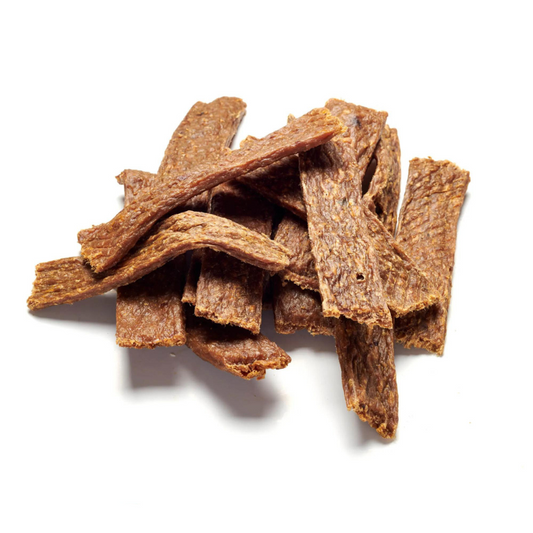
Safe Christmas snacks are those made specifically for dogs that contain none of the ingredients mentioned – for example dog biscuits, crackers, meat snacks or vegetarian treats. That way your dog can join in the celebrations without you having to worry.
Dog treats instead of Christmas biscuits
In our dog biscuits, baked dog treats and crackers categories you will find treats that are made for dogs, for example the Venison crackers. If you prefer to bake yourself, you will find safe recipes in the post Baking your own dog biscuits – tips & recipes.
Vegetarian alternatives
Meat-free snacks are also suitable as a small Christmas reward. In the Vegetarian and vegan category you will find, for example, the Veggie hearts or the Cheese stick for longer chewing fun.
Safe snacks for the Advent season:


Remember: dog snacks also count towards the daily ration. Treats should make up no more than about 10 percent of daily energy in total. You will also find ideas for the Advent season in the post Dog Advent Calendar DIY.
Frequently asked questions about Christmas biscuits and dogs
Which biscuit ingredients are toxic to dogs?
Particularly dangerous are chocolate and cocoa, raisins and grapes, xylitol, macadamia nuts, nutmeg, alcohol and raw yeast dough. You should therefore never give your dog human biscuits.
What to do if my dog has eaten chocolate?
Call your vet or an animal clinic immediately and tell them the type, amount and time as well as your dog’s weight. Do not induce vomiting yourself and take the packaging with you when you go to the practice.
Which Christmas snacks are safe?
Snacks made specifically for dogs are safe, for example dog biscuits, crackers, dried meat snacks or vegetarian treats without chocolate, raisins and xylitol.
Can my dog eat a single butter biscuit?
A single plain butter biscuit without toxic ingredients is usually not dangerous for a healthy dog, but it is not recommended either. Fat and sugar strain the stomach, and your dog learns that begging pays off.
How quickly do signs of poisoning appear?
That depends on the ingredient. With chocolate, symptoms often appear after a few hours, with xylitol sometimes much sooner. So do not wait for symptoms, but contact the vet straight away.
Conclusion: biscuits are off limits, dog treats are fine
The Christmas baking season holds many dangers for dogs: chocolate, raisins, xylitol, macadamia nuts and nutmeg make human biscuits toxic for dogs. Store baked goods safely, keep an eye on the kitchen while baking and react immediately in an emergency by calling the vet. With special dog treats and safe snacks, your dog can still enjoy the Advent season to the full.
Further reading on this topic:
- Christmas market with your dog: tips for a relaxed visit
- Dog Advent Calendar DIY: 24 Healthy Filling Ideas
- Which Foods Are Poisonous to Dogs? The Big Checklist
This post was created with the help of AI