
Christmas market with your dog: tips for a relaxed visit
Whether you can take your dog to a Christmas market depends mainly on two things: the rules of the market in question and how calmly your dog copes with crowds, noise and lots of smells. A relaxed Christmas market visit with your dog works best at quiet times, on a short lead, with a clear plan against dropped food and your own dog treats in your pocket. In this post you'll learn how to prepare for the visit, which dangers lurk at the stalls and how your dog can stay relaxed even in a crowd.
Content: Christmas market with your dog: tips for a relaxed visit
- Can I take my dog to a Christmas market?
- The best time and length for your visit
- Checklist for the Christmas market with your dog
- Mulled wine, pastries & co.: what your dog must not eat
- Relaxed in the crowd: how to help your dog
- Frequently asked questions about the Christmas market with your dog
- Conclusion: a relaxed Christmas market visit with good planning
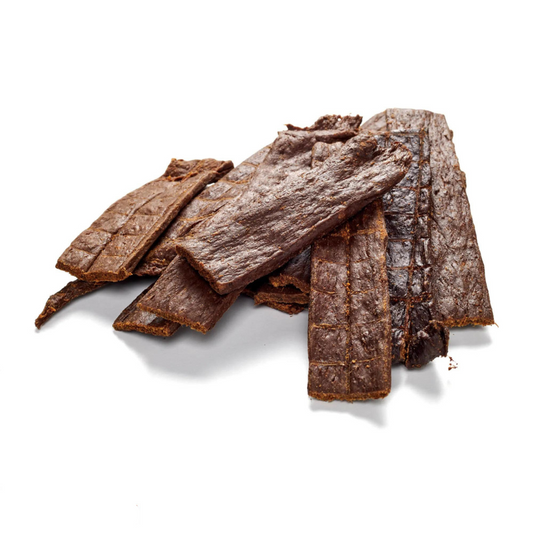
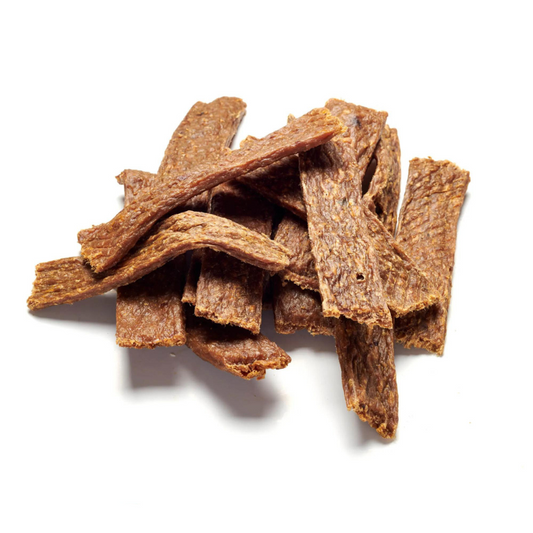
Small training treats for on the go – perfect for your pocket:


Can I take my dog to a Christmas market?
Many Christmas markets generally allow dogs, but each organiser sets its own rules – and not every dog feels comfortable in the pre-Christmas bustle. Before you set off, check both: the market's rules and your dog's temperament.
Check the market's rules in advance
Some markets allow dogs without restrictions, others only on a lead, at certain times or not at all – for example in enclosed areas, halls or on castle grounds. Check with the organiser, on the market's website or with the town beforehand. Individual stalls, huts with seating or fairground rides may also have their own rules. In many town centres a lead is required anyway.
Is a Christmas market right for your dog?
For dogs, a Christmas market means a huge number of stimuli at once: dense crowds, music, loudspeaker announcements, clinking mugs, smoke from grills and intense food smells. Well suited are dogs that
- are used to the city and already cope calmly with crowds,
- reliably walk on a loose lead and respond to cues such as "close" or "leave it",
- are friendly and tolerant towards strangers, children and other dogs,
- are healthy and resilient and have no problems with the cold.
When your dog is better off staying at home
For anxious or noise-sensitive dogs, very young puppies, seniors with joint problems and sick dogs or females in heat, a Christmas market is usually not a good idea. A dog's hearing is much more sensitive than ours, and what sounds festive to us can simply be stress for your dog. In that case, a quiet walk followed by a chew at home is the better choice. You'll also find tips for dogs in the hustle and bustle of the city in our post Dogs in the city.
The best time and length for your visit
A Christmas market with your dog is most relaxed on a weekday shortly after opening in the afternoon – it's emptier and quieter then, and usually still light.
Choose quiet times
- Weekdays rather than weekends: Friday and Saturday evenings are the busiest times at most markets.
- Early rather than late: In the afternoon the crowds are smaller and the atmosphere is less boisterous than late in the evening.
- No special events: Avoid concerts, parades or opening ceremonies with large crowds when you have your dog with you.
Short and sweet instead of hours on end
Plan a short stroll rather than a whole evening. For many dogs, half an hour to about an hour in the bustle is plenty. Watch out for stress signals such as frequent yawning, panting despite the cold, a tucked tail, trembling or constantly pulling away – then it's time to leave. A long walk beforehand makes sure your dog has relieved himself and is more balanced.
Cold, road salt and darkness
Standing for a long time on cold paving quickly chills short-haired and small dogs. A dog coat can make sense here. Road salt, grit and shards of dropped mugs are a danger to paws – check the pads after your visit and rinse off salt residue with lukewarm water. You can read more in our guide Cold and road salt for dog paws. A light-up collar or reflective harness helps your dog to be seen clearly at dusk.
Checklist for the Christmas market with your dog
With a short checklist for before, on site and afterwards, you're well prepared for the Christmas market with your dog and won't forget anything important.

What to pack
- A short, sturdy lead and a well-fitting harness – a retractable lead is unsuitable in a crowd.
- Small treats of your own for rewarding and distracting, for example soft Softies or mini meat cubes.
- A treat pouch so you can reward quickly and quietly. Our post Treat pouches for on the go explains how to keep snacks fresh in it.
- Water and a collapsible bowl – dogs need a drink now and then in winter too.
- Poo bags, a light-up collar and a coat if needed for short-haired or small dogs.
Which treats work well on the go?
Ideal are small treats that don't crumble, are easy to portion and that you can take out of your pocket with one hand. You'll find suitable rewards in the training snacks category, and the mini camel meat cubes are easy to dose too. If you like variety, go for the Mix training snack. Remember to deduct the treats from the daily ration.
Mulled wine, pastries & co.: what your dog must not eat
At the Christmas market, mulled wine and other alcoholic drinks, chocolate, raisins, onions and garlic, sugar-free sweets containing xylitol and fatty, heavily spiced food are off limits for dogs – some of them are poisonous.
The main dangers at the stalls
| Food | Why is it a problem? |
|---|---|
| Mulled wine, punch, eggnog | Alcohol is poisonous to dogs, even small amounts can do harm. |
| Chocolate, chocolate-covered fruit, gingerbread with chocolate icing | Contain theobromine, which is toxic to dogs – the darker, the more dangerous. |
| Stollen, fruit bread, raisins | Raisins and grapes can cause kidney damage in dogs. |
| Onions, garlic (e.g. in tarte flambée, bratwurst) | Can damage red blood cells. |
| Sugar-free sweets and chewing gum | May contain xylitol, which is very dangerous for dogs. |
| Bratwurst, potato fritters, candied almonds | Lots of fat, salt, sugar and spices – hard on the stomach and gut. |
| Wooden skewers, bones, napkins | Risk of injury and swallowing. |
You'll find a detailed overview in our big checklist of poisonous foods.
Dropped food and well-meant offerings
The biggest danger is often on the ground: sausage ends, bits of pastry or a spilled mug. Keep your dog on a short lead and distract him with your own treats before he starts sniffing around on the ground. Friendly strangers or stallholders sometimes want to give him something – thank them politely and offer one of your own treats instead.
If your dog has eaten something after all
If your dog has eaten chocolate, raisins, alcohol or something containing xylitol, contact your vet or an emergency vet practice immediately – even if he isn't showing any symptoms yet. Try to remember what and how much he ate. Don't try to make him vomit yourself.
Small, light cubes for distraction in a crowd:


Relaxed in the crowd: how to help your dog
To keep your dog relaxed in a crowd, give him protection, guidance and regular breaks – and consistently reward calm behaviour.
Create protection and distance
- Walk your dog on the sheltered side, for example between you and the wall of a stall, rather than in the middle of the flow.
- Carry small dogs or take them in a bag or buggy when it gets crowded – at knee height they're easily overlooked and stepped on.
- Keep your distance from patio heaters, fire baskets and grills so that nose and coat don't get too close to heat and smoke.
- Avoid encounters with other dogs in the crowd – on a short lead there's no room to move out of the way.
Reward calm behaviour
Reward your dog whenever he walks calmly next to you, sits while you wait at a stall or reacts calmly to something exciting. Small pieces are enough, for example a sliced Mini Chicken Sausage or a piece from the dog sausage category. This way your dog links the bustle with something positive.
Plan breaks and a place to retreat
Look for a quiet corner at the edge of the market or a side street beforehand where you can retreat now and then. There your dog can sniff, relieve himself and take a breather. If you notice him getting restless, it's better to end the visit early than to overwhelm him.
Winding down at home
After so many impressions, calm chewing helps many dogs switch off. A small chew on his own blanket is a lovely way to round off the outing.
Chews for relaxing after the outing:


Frequently asked questions about the Christmas market with your dog
Can I take my dog to a Christmas market?
At many markets, yes, but the rules are set by the respective organiser. Find out in advance whether dogs are allowed and whether they must be on a lead. Only take your dog along if he copes calmly with crowds and noise.
What must my dog not eat at the Christmas market?
Above all, alcohol such as mulled wine, chocolate, raisins and stollen, onions and garlic, and sugar-free sweets with xylitol are off limits. Fatty, salty and heavily spiced food such as bratwurst or potato fritters, as well as wooden skewers, are also unsuitable. If your dog has eaten something poisonous, call your vet immediately.
How does my dog stay relaxed in a crowd?
Choose quiet times, keep the visit short and walk your dog on a short lead on the sheltered side. Reward calm behaviour with small treats of your own and plan breaks at the edge. If your dog shows stress signals, it's better to go home early.
How long should I stay at the Christmas market with my dog?
For many dogs, half an hour to about an hour is enough. What matters is how your dog reacts: yawning, panting, trembling or constantly pulling away show that it's enough.
Which treats are best to take along?
The most practical are small, soft or cube-shaped treats that don't crumble and can be given with one hand, such as training snacks or mini meat cubes. Deduct the amount from the daily ration so it doesn't become too much.
Conclusion: a relaxed Christmas market visit with good planning
A Christmas market with your dog can be a lovely shared experience if your dog takes the bustle in his stride and you plan the visit well: check the rules in advance, choose quiet times, keep it short, use a short lead and bring your own treats. Mulled wine, chocolate, raisins, onions, xylitol and fatty snack-stand food are off limits – in an emergency, contact your vet straight away. If your dog is anxious or sensitive to noise, a quiet winter walk is the better choice. You'll find suitable small rewards for on the go in our training snacks category.
Further reading on this topic:
- Have a relaxed Christmas with your dog
- Calming dogs - how to calm your four-legged friend
- Walking your dog in the dark: safe through the dark season
This post was created with the help of AI