
Which Foods Are Poisonous to Dogs? The Big Checklist
As a loving dog owner, you want to offer your four-legged friend only the best – especially when it comes to nutrition. But did you know that many foods we eat without hesitation are dangerous or even toxic for dogs? In this article, we clarify which foods are toxic for dogs, why certain foods are forbidden in dog nutrition, and which risks you should definitely be aware of. This way, you can safely give your dog healthy treats and avoid potential dangers.
Dog chews for happy and satisfied four-legged friends available here!
Why are some foods toxic for dogs?
Dogs have a completely different metabolism than humans. What we eat without hesitation can cause poisoning or severe illnesses in dogs. This is partly because they cannot break down certain substances, or their effect on their body is particularly harmful.
Some foods contain substances that attack the nervous system, internal organs, or digestive system. In cases of poisoning, quick action and veterinary help are essential.
Therefore, here you will find a practical and comprehensive checklist of all dangerous foods for dogs and learn why you should never feed them.
The big checklist: These foods are toxic for dogs
1. Chocolate & Cocoa
- Why toxic? Contain theobromine and caffeine, which can lead to rapid heartbeat, restlessness, vomiting, and even fatal poisoning.
- Special danger: The darker the chocolate, the higher the theobromine content.
- Symptoms: Vomiting, diarrhea, tremors, heart rhythm disturbances, seizures.
2. Onions, Garlic & Leeks
- Why toxic? Contain sulfur compounds that destroy red blood cells and can cause life-threatening anemia.
- Forms: Fresh, dried, cooked, powder – all are dangerous.
- Symptoms: Weakness, pale mucous membranes, shortness of breath, lethargy.
3. Grapes and Raisins
- Why toxic? Often leads to acute kidney failure in dogs.
- Even small amounts are dangerous!
- Symptoms: Vomiting, diarrhea, loss of appetite, lethargy, severe thirst.
4. Avocado
- Why toxic? Contains persin, which can cause heart, lung, and liver damage in dogs.
- Pits are also dangerous, as they pose a choking hazard.
- Symptoms: Vomiting, diarrhea, shortness of breath.
5. Xylitol (Artificial Sweetener)
- Why toxic? Leads to a strong insulin release and dangerous hypoglycemia.
- In products: Sugar substitutes in chewing gum, candies, baked goods, toothpaste.
- Symptoms: Weakness, coordination disorders, seizures.
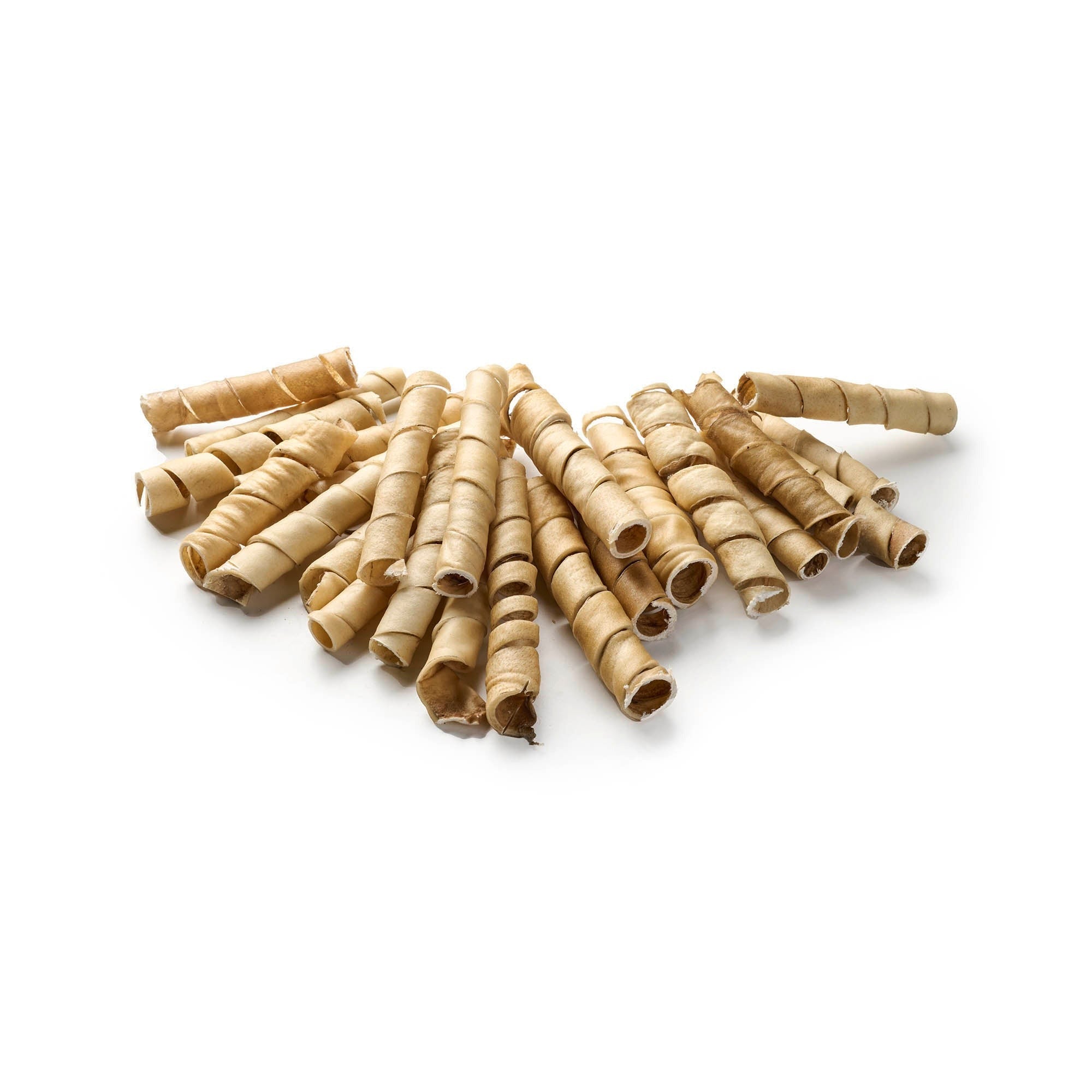
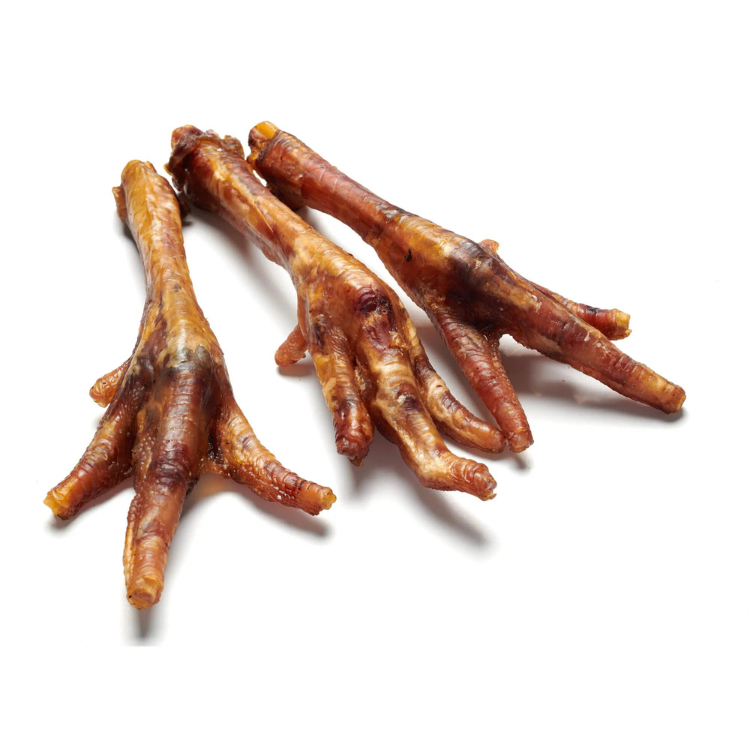
Reward your dog with our high-quality chews!
6. Alcohol
- Why toxic? Damages the central nervous system and liver. Even small amounts can be fatal.
- Symptoms: Vomiting, coordination disorders, shortness of breath, coma.
7. Raw Dough with Yeast
- Why toxic? Fermentation in the stomach leads to alcohol poisoning and bloating.
- Symptoms: Vomiting, abdominal pain, shortness of breath.
8. Caffeinated Beverages & Foods
- Why toxic? Caffeine acts similarly to theobromine and is very harmful to dogs.
- Symptoms: Restlessness, vomiting, rapid heartbeat, seizures.
9. Macadamia Nuts
- Why toxic? Cause muscle weakness, tremors, and skin reactions.
- Symptoms: Weakness, tremors, vomiting.
10. Bones (cooked)
- Why forbidden? Can splinter and cause internal injuries.
- Especially dangerous: Chicken or fish bones.
- Symptoms: Gagging, diarrhea, constipation.
Other foods you should avoid
- Coffee and caffeinated products: Same risk as with caffeine.
- Salty snacks: Quickly leads to cardiovascular problems.
- Milk and dairy products: Many dogs are lactose intolerant and get diarrhea.
- Raw pork: Risk of Aujeszky's disease.
- Sugary foods: Promote obesity and dental problems.
Why is certain dog nutrition forbidden?
Your dog's diet should be balanced and tailored to their needs. Prohibitions on certain foods are usually for safety reasons. Toxicity, digestive problems, or allergic reactions make them unsuitable for dogs.
Even if your dog is curious or "begs," you should remain consistent and only feed appropriate snacks. Information on healthy treats can be found, for example, in our blog on baking your own dog biscuits.
How can you react in an emergency?
If your dog has ingested a potentially toxic food, remember:
- Try to identify the food (type & quantity).
- Contact your vet or a poison control center immediately.
- Do not try to induce vomiting yourself without instruction.
A quick reaction can save lives!
FAQ – Frequently Asked Questions about toxic foods for dogs
Which foods are particularly dangerous for puppies?
Puppies often react more sensitively. Chocolate, onions, grapes, and xylitol are particularly dangerous. Make sure curious young dogs never get access to table scraps or trash. You can find more about proper puppy nutrition in our Puppy Food Guide.
Can I give my dog fruit?
Yes, many fruits are suitable – such as apples (without seeds) or bananas in moderation. But grapes, raisins, and avocado are on the forbidden list. An overview of healthy snacks can be found in our Info Blog.
What to do if my dog has eaten chocolate?
Contact the vet immediately, even if no symptoms appear! Depending on the amount and type of chocolate, stomach pumping or activated charcoal is usually administered.
Are nuts generally forbidden?
Many nuts are difficult to digest and high in calories. Macadamia nuts are even toxic. Therefore, you should avoid nuts.
Where can I find safe alternatives for dog snacks?
Snack4Pet offers a wide selection of healthy, tested snacks that will make your dog happy and fit. Check out our Info section for recommendations.
Conclusion: Protect your dog from dangerous foods!
Proper nutrition is a key to a healthy dog's life. You should consistently avoid foods that are toxic for dogs or forbidden in dog nutrition – from chocolate to onions to xylitol-containing sweets. Use our checklist to identify dangers in everyday life and choose safe alternatives.
Would you like to learn more about healthy dog treats or BARF? Then feel free to visit our Info Blog or discover how you can feed and celebrate with relaxed Christmas with your dog.
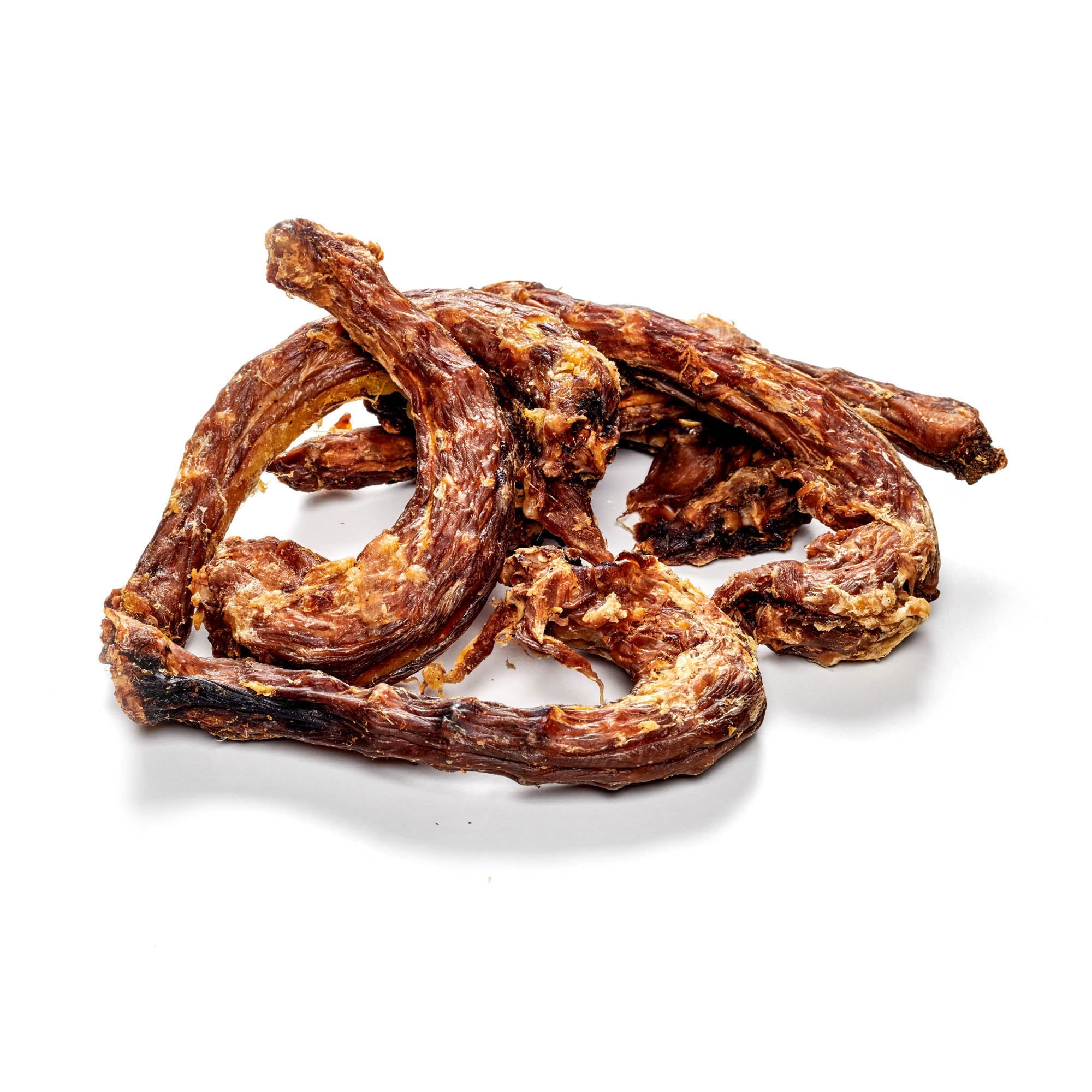
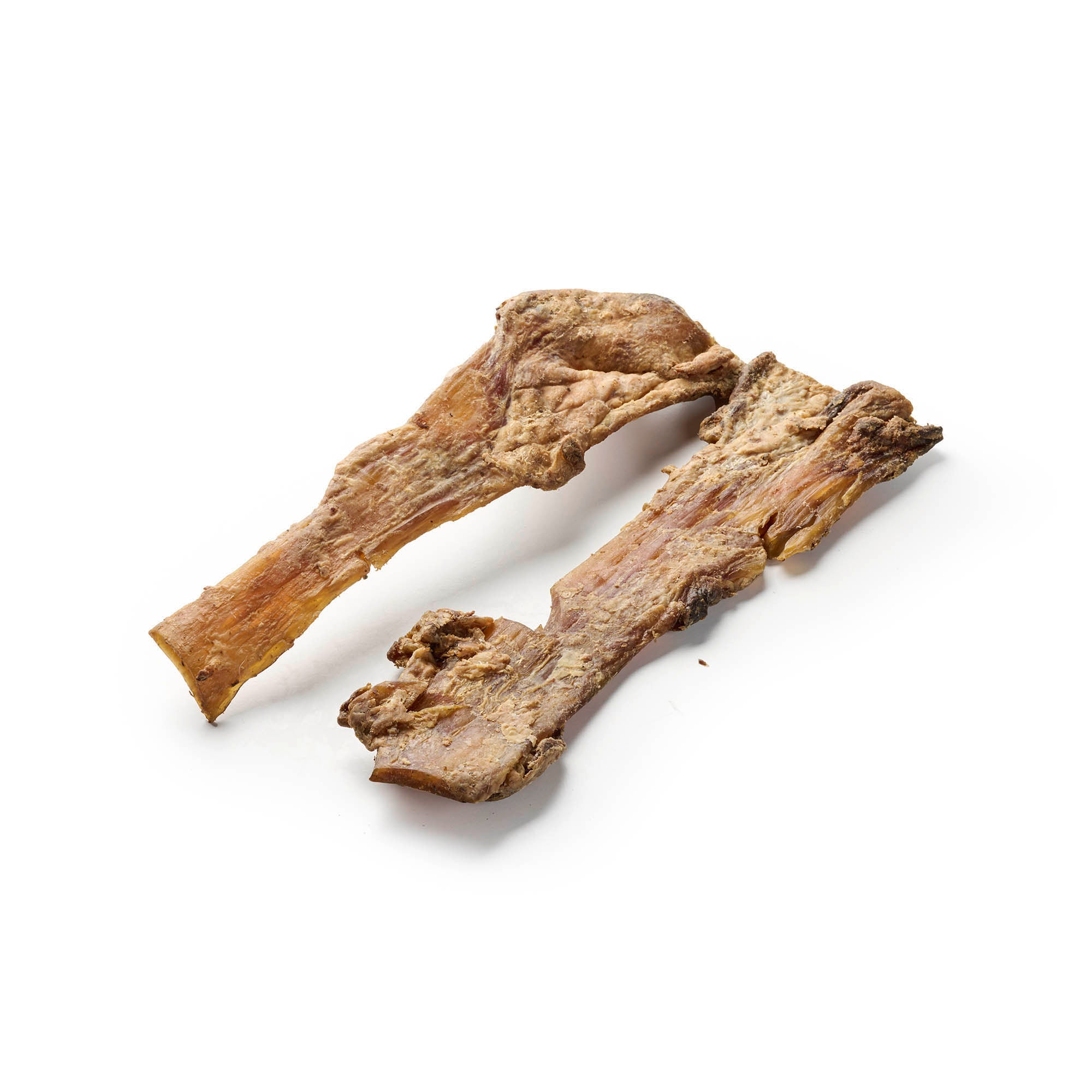
High-quality dog chews for your loyal companion available here!
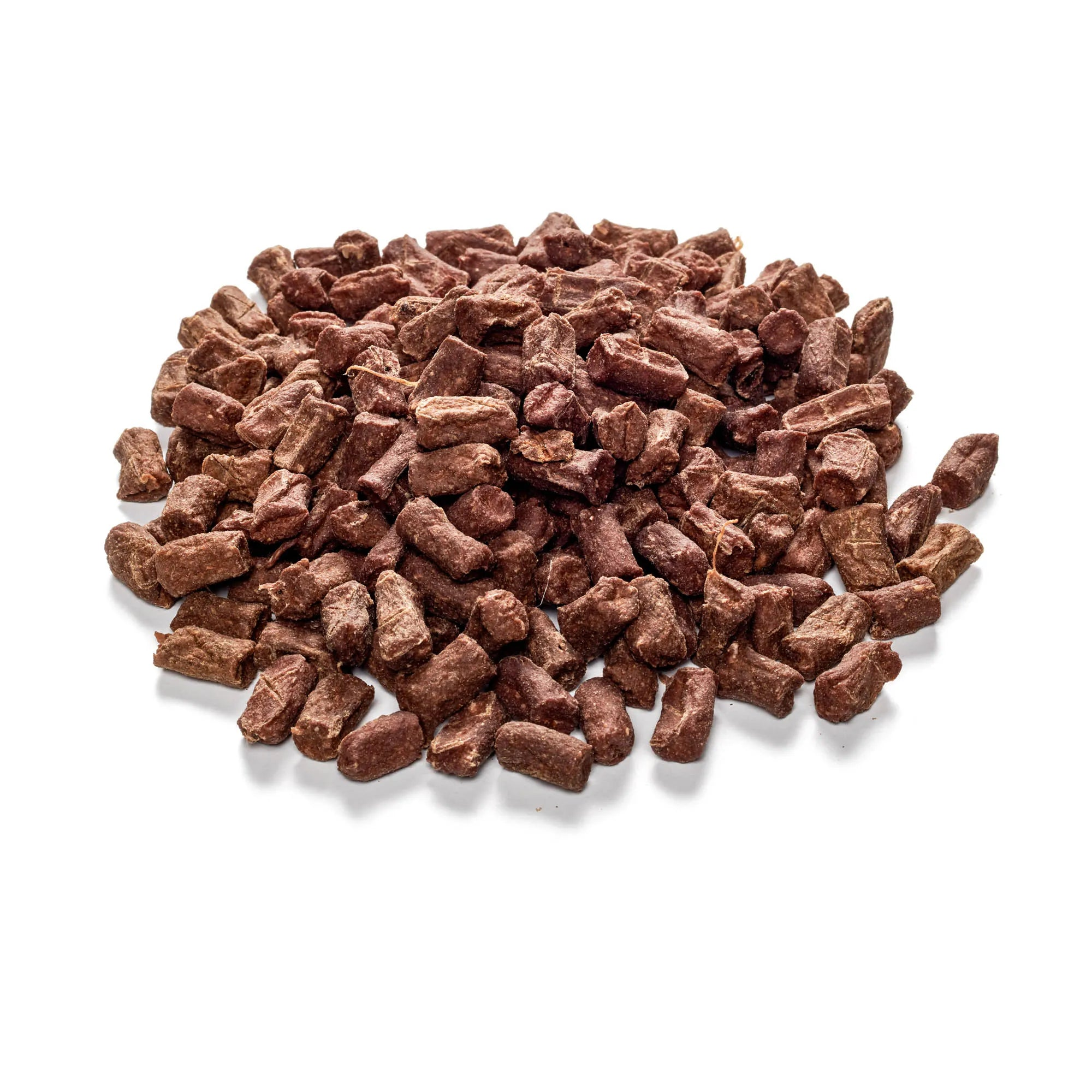
Protect your loyal companion with knowledge and love – so he stays healthy and happy for a long time!
Do you have questions or want more tips on safe dog nutrition? Feel free to send us a message or browse through our blog articles about dogs. We support you and your dog every step of the way!