
Chicken Hearts and Gizzards: Organ Treats for Dogs and Cats
Chicken hearts for dogs are a natural, protein-rich organ treat that most dogs – and many cats – absolutely love. Yes, chicken hearts and chicken gizzards make a good reward for healthy dogs and cats in moderation: hearts provide protein and taurine, while gizzards are firmer and usually a little leaner. In this article you will learn how the two differ, how much is healthy and what to keep in mind when feeding cats.
Content: Chicken Hearts and Gizzards: Organ Treats for Dogs and Cats
- What are chicken hearts and gizzards?
- Are chicken hearts good for dogs?
- Chicken gizzards for dogs: firm bite, little fat
- Chicken hearts and gizzards for cats
- How many organ treats are healthy?
- Frequently asked questions about chicken hearts and gizzards
- Conclusion: chicken hearts and gizzards – small organs, big treat
Chicken hearts and gizzards to try:


What are chicken hearts and gizzards?
Chicken hearts and gizzards are two small organs from the chicken: the heart is a muscle, and the gizzard is the strong muscular stomach the bird uses to grind its food.
Chicken hearts: a small muscle with lots of flavour
A chicken heart is only a few centimetres long and consists almost entirely of muscle meat. There is often a small rim of fat at the top. Dried or freeze-dried, it becomes a handy treat with an intense chicken aroma. In raw feeding, heart is therefore often counted as muscle meat rather than as a classic organ like liver or kidney.
Chicken gizzards: a firm muscular stomach to chew
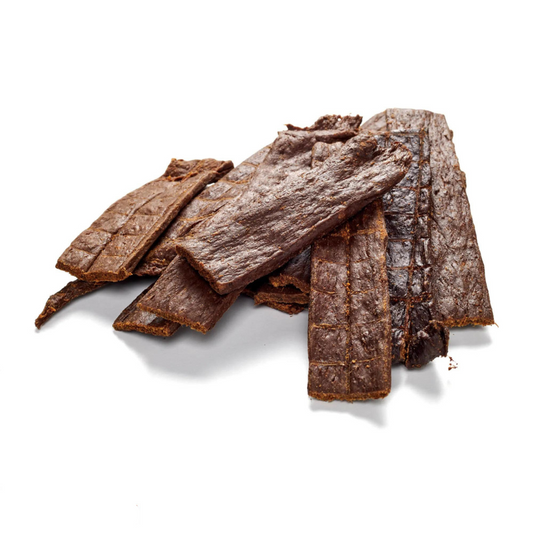
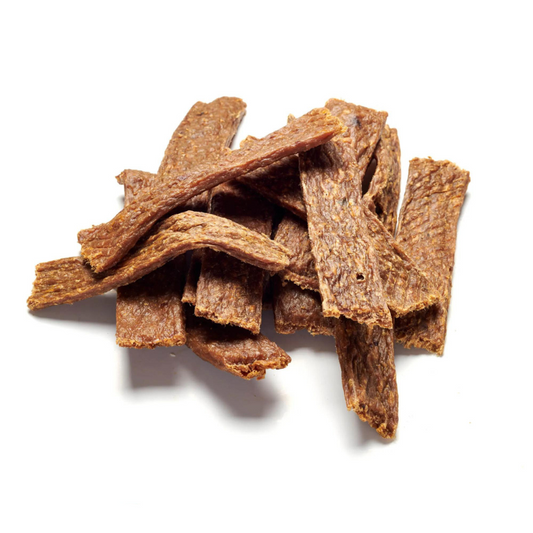
Birds have no teeth. They grind their food in the gizzard, which is built to be very strong. You can feel this firm, slightly fibrous texture in the treat too: dried chicken gizzards are chewier than hearts and work well as a short chew. Freeze-dried gizzards, on the other hand, are light and easy to crumble.
Air-dried or freeze-dried?
- Air-dried: firmer, a little tougher, good as a small chew.
- Freeze-dried: light, porous and crunchy, easy to break into small pieces – handy for training, small dogs and cats.
You will find a wider selection in our chicken and freeze-dried treats categories.
Are chicken hearts good for dogs?
Yes, chicken hearts are a healthy treat for healthy dogs as long as you feed them in moderation: they provide high-quality protein, naturally contain taurine and are eagerly accepted by most dogs.
Protein, taurine and minerals
Heart muscle is considered a good natural source of taurine and also contains iron, zinc and various B vitamins. Dogs can produce taurine themselves, but it is still a valuable part of their diet. According to the product information, our freeze-dried chicken heart contains around 70 percent crude protein.
How fatty are chicken hearts?
Chicken hearts are not a particularly lean treat. Because of the fat rim, their crude fat content is higher than that of gizzards – around 22 percent for the freeze-dried chicken heart, according to the product information. For dogs that are overweight or have a sensitive pancreas, gizzards or lung are often the better choice.
Why chicken hearts are not liver
Unlike liver, hearts do not contain particularly high amounts of vitamin A. Liver such as beef liver should only be fed sparingly, whereas hearts can be planned in a little more generously as a treat. You can read more about the differences between organs in our guide Offal for dogs.
Chicken hearts for dogs: when to be careful
- Poultry allergy: chicken is one of the more frequently cited triggers of food allergies. If your dog reacts to chicken, hearts and gizzards are off the menu too.
- Sensitive stomach: introduce new treats slowly and keep an eye on digestion.
- Pre-existing conditions: if your dog has kidney, liver or pancreas problems, discuss feeding with your vet.
Chicken gizzards for dogs: firm bite, little fat
Chicken gizzards are a protein-rich and comparatively low-fat treat for dogs, and their firm texture encourages a short chewing session.
Nutritional values compared
| Treat (according to product information) | Crude protein | Crude fat | Texture |
|---|---|---|---|
| Freeze-dried chicken heart | approx. 70 % | approx. 22 % | light, crunchy |
| Freeze-dried chicken gizzards | approx. 83 % | approx. 11 % | light, crumbly |
| Dried chicken gizzards | approx. 81 % | approx. 12 % | firm, chewy |
The values refer to the dried product and may vary slightly from batch to batch.
Who are chicken gizzards suitable for?
- Small dogs: their handy size fits small mouths well.
- Weight-conscious dogs: thanks to the lower fat content, gizzards are easier to fit into the daily ration.
- Training: you can break freeze-dried gizzards into small pieces. You will find more ideas among our training snacks.
Combining chicken gizzards and hearts
Many owners alternate between the two: hearts as a particularly coveted reward, gizzards as a leaner everyday option. If you would like even more variety from the chicken, crunchy chicken feet are another option. You can read the basics about poultry in our article Chicken for dogs.
Chicken hearts and gizzards for cats
Yes, cats can eat dried chicken gizzards and chicken hearts – in small amounts they are a species-appropriate treat for the cat as a strict carnivore.
Why hearts are a particularly good fit for cats
Cats cannot produce enough taurine themselves and have to get it from their food. Heart muscle naturally contains taurine. However, a treat does not replace a complete food: a complete cat food covers the basic needs, and chicken hearts are simply the reward on top.
How to give organ treats to cats
- Cut or break into small pieces: freeze-dried hearts and gizzards are easy to break up – ideal for cats.
- Soaking is an option: for older cats you can briefly soak the pieces in water.
- Reward sparingly: one or two small pieces a day are enough for many cats.
- Provide water: dried treats contain hardly any moisture.
You will find more suitable treats in our cats category and in the guide Cat treats: which snacks are healthy?.
Small treats for cats and small dogs:


How many organ treats are healthy?
Organ treats are healthy when all treats together make up no more than about 10 percent of the daily energy intake and the main meal is reduced accordingly.
Guideline by animal and size
| Animal | Guideline per day |
|---|---|
| Cat | one or two small pieces |
| Small dog | a few hearts or gizzards, ideally broken up |
| Medium-sized dog | a small handful, spread over the day |
| Large dog | a handful, adjust the food ration |
The exact amount depends on weight, age, activity level and other treats. Our article How many treats per day? shows you how to calculate the daily amount.
Variety in organ treats
Organs differ in their composition. Lung is very light and lean, heart is protein-rich with a little more fat, and liver is particularly rich in vitamin A. If you alternate, your pet benefits from the variety without any one type tipping the balance. Our offal category gives you an overview; you will find poultry options under poultry.
Avoiding common mistakes
- Too many treats on the side: small amounts add up quickly.
- Raw offal without hygiene: raw poultry can contain germs such as salmonella. Dried treats are easier to handle.
- Cooked poultry bones: they can splinter and never belong in the bowl. Hearts and gizzards contain no bones.
More hearts and organs for variety:


Frequently asked questions about chicken hearts and gizzards
Are chicken hearts good for dogs?
Yes. Chicken hearts provide plenty of protein, contain taurine, iron and B vitamins and are very popular with dogs. As they contain a little more fat than gizzards, you should feed them in moderation and include them in the daily ration.
Can cats eat dried chicken gizzards?
Yes, healthy cats can eat dried chicken gizzards in small amounts. It is best to break freeze-dried gizzards into small pieces. They are a treat and do not replace a complete cat food.
How many organ treats are healthy?
All treats together should make up no more than about 10 percent of the daily energy intake. For cats, that is often just one or two small pieces a day; for dogs, it depends on their size.
Which is healthier: chicken hearts or chicken gizzards?
Both are good treats. Chicken gizzards are usually leaner and firmer, chicken hearts a little fattier and especially tasty. For dogs with weight problems, gizzards are often the better choice.
Can puppies have chicken hearts?
Puppies can have small pieces of dried chicken hearts as a reward. Introduce them slowly and make sure the main meal stays balanced.
Conclusion: chicken hearts and gizzards – small organs, big treat
Chicken hearts and gizzards are natural, protein-rich organ treats that dogs and cats love alike. Hearts score with flavour and taurine, gizzards with a firm bite and less fat. Fed in the right amounts and alternated with other organs, they make a healthy reward. If your pet has allergies or pre-existing conditions, ask your vet for advice first. Browse our chicken category now and find the right treat.
Further reading on this topic:
- Offal for dogs
- Dried lung, tripe & co: it's what's inside that counts
- Cat treats: which snacks are healthy for cats?
This post was created with the help of AI