
Cat treats: which snacks are healthy for cats?
A cat treat is healthy if it consists mainly of animal protein, contains no sugar or unnecessary additives and is only fed in small amounts. Dried meat or fish snacks made from a single animal source are ideal, as long as they – together with all other extras – provide no more than about 10 percent of your cat's daily energy. In this article, you'll learn how to recognise healthy snacks for cats, how much makes sense and what to keep in mind when it comes to fish.
Content: Cat treats: which snacks are healthy for cats?
- Healthy cat treats: what makes a good snack?
- Which snacks for cats are particularly suitable?
- Fish treats for cats: can cats eat dried fish?
- How many treats can a cat have per day?
- Feeding treats the right way: everyday tips
- Frequently asked questions about healthy cat treats
- Conclusion: choose healthy cat treats and dose them wisely
Small, natural snacks that cats love:


Healthy cat treats: what makes a good snack?
A healthy cat treat consists mostly of meat, offal or fish, has a short, easy-to-understand ingredient list and contains no added sugar. That way, the snack matches what cats naturally need.
Cats are true carnivores
Cats are so-called obligate carnivores: their metabolism is designed for animal protein and animal fat. They obtain certain nutrients, such as the amino acid taurine, mainly from animal sources. Cats, on the other hand, do not need carbohydrates from grain, sugar or syrup. Nevertheless, many supermarket snacks contain sugar, cereal flour, flavourings or colourings – they taste good, but contribute little to a species-appropriate diet.
What to look for in the ingredient list
- Animal protein comes first: Ideally, the snack consists of just one type of meat or fish, for example 100 % salmon, cod or rabbit.
- Cat treats without sugar: Sugar, caramel, honey or syrup have no place in cat snacks.
- No unnecessary fillers: Cereal flours, starch or vegetable by-products make a snack cheaper, but not healthier.
- Short declaration: The fewer the ingredients, the easier it is to see what your cat is really eating – which also helps with sensitive animals.
- No dairy products as a reward: Many adult cats do not tolerate lactose well. Cow's milk is therefore not a good treat.

You'll find a wide selection of single-protein snacks in our category snacks for cats. How chew snacks differ from small reward bites is explained in our article chew snacks for cats.
Which snacks for cats are particularly suitable?
Small, gently dried cubes or coins made from pure meat, offal or fish are particularly suitable, because they are easy to portion and most cats love their taste.
Dried meat cubes
Mini meat cubes are ideal for cats: they are small enough for a cat's mouth, easy to break up and perfect for clicker training or as a reward after claw trimming. Varieties such as chicken, duck or rabbit meat cubes mini contain just one animal source. You'll find all varieties in the category mini meat cubes.
Light snacks made from lung
Dried lung is very light and airy. One cube weighs very little, so just a few grams give you lots of small rewards. Lamb lung cubes mini can also be easily crumbled with your fingers – handy for very small portions.
Fish snacks for variety
Many cats can hardly resist the smell of fish. Dried fish coins and cubes are therefore a popular change and are great for motivating a reserved cat.
| Type of snack | Advantage | Tip |
|---|---|---|
| Mini meat cubes | one animal source, easy to portion | cut in half if needed |
| Lung cubes | very light, many rewards per gram | crumble for food games |
| Fish coins and fish cubes | intense smell, high acceptance | for variety, not in large amounts every day |
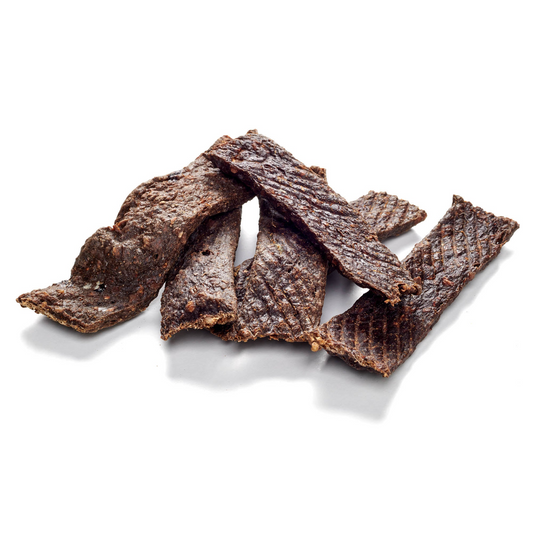
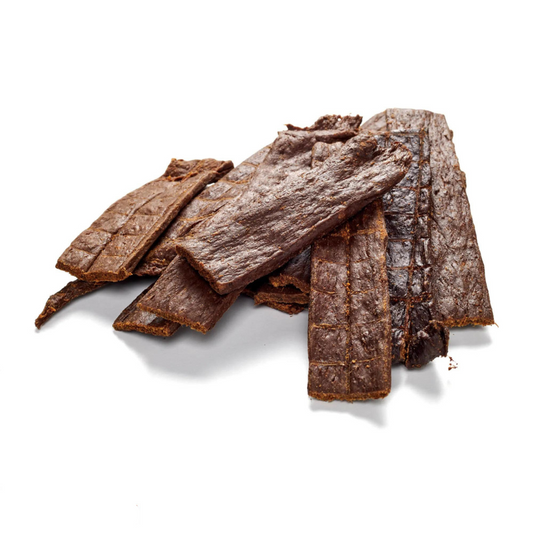
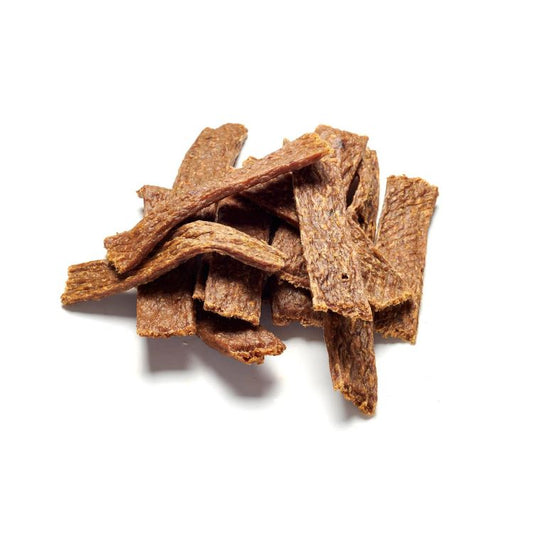
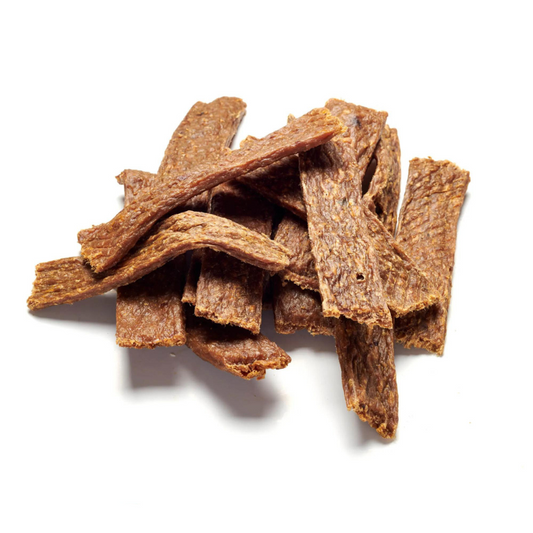
| Meat strips | longer occupation | cut into small pieces |
Mini fish and meat snacks:


Fish treats for cats: can cats eat dried fish?
Yes, cats can eat dried fish – as a treat in small amounts it is generally well suited to healthy cats, but not as their main diet.
Why fish can be a good treat
Fish provides high-quality protein, and oilier varieties such as salmon or mackerel contain omega-3 fatty acids. Lean varieties such as cod are rather low in fat. A fish treat for cats like the mini salmon coins or the cod cubes mini is therefore a tasty addition. You'll find more varieties in the categories salmon, cod and fish.
What to keep in mind with fish
- Not as the main diet: Fish alone does not cover a cat's needs. A complete food remains the basis.
- Small pieces: Choose mini coins or cubes, or break larger pieces up. Whole fish with bones are less suitable for cats.
- Alternate: Alternate fish snacks with meat or lung snacks instead of giving only fish every day.
- No raw fish from the kitchen: Stick to snacks that are specifically sold as complementary or single feed for animals.
How many treats can a cat have per day?
As a rule of thumb, all treats and snacks together should make up no more than about 10 percent of your cat's daily energy – with dried snacks, that is often just a few grams.
A worked example
A normal-weight adult indoor cat weighing around 4 kg needs roughly 200 to 250 kcal per day; actual needs vary with age, activity and neutering. Its snack budget is therefore around 20 to 25 kcal. Dried meat and fish snacks contain hardly any water and often provide roughly 300 to 400 kcal per 100 g. For this cat, that equals about 5 to 8 g of snacks per day – more of a small pinch than a handful. The feeding recommendations on the product always apply.
When less is more
- Overweight: Snacks should be firmly included in the feeding plan and the main meal reduced accordingly.
- Illness: If your cat has kidney disease, diabetes, allergies or is on a special diet, discuss every treat with your vet first.
- Older cats: They often move less and need less energy. Small pieces that are easy to chew are usually the better choice.
Feeding treats the right way: everyday tips
You feed treats the right way if you use them specifically as a reward, break them into small pieces and deduct the amount from the daily ration.
Practical tips
- Portion the daily ration: In the morning, put the day's snacks in a small tin. Once it's empty, the budget has been reached.
- Break them up: For your cat, it's the reward that counts, not its size. Half a cube is often enough.
- Add some activity: Hide snacks in a puzzle board or a snuffle mat. That turns the treat into an activity.
- Offer water: Cats naturally tend to drink little. Always provide fresh water, especially with dried snacks – ideally in several places around your home.
- Store properly: Keep dried snacks dry, cool and tightly sealed.
- Introduce new varieties slowly: Start with just one or two pieces and watch how well your cat tolerates the snack.
If your cat lives with a dog, it's best to give treats separately so that no food envy arises. You'll find tips for a relaxed coexistence in our article dog meets cat.
Light rewards with just one animal source:


Frequently asked questions about healthy cat treats
Which treats are healthy for cats?
Healthy treats consist mainly of meat, offal or fish, contain no sugar and do without artificial flavourings. Dried snacks made from a single animal source, such as rabbit, chicken or cod, are a good choice. It's also important to keep the amount small.
How many snacks can a cat have per day?
All snacks together should provide no more than about 10 percent of daily energy. For an average 4 kg cat, that's roughly 20 to 25 kcal, i.e. just a few grams of dried snacks. If your cat is overweight or ill, agree on the amount with your vet.
Can cats eat dried fish?
Yes, dried fish is suitable for healthy cats as an occasional treat in small pieces. However, it should not replace the main diet and is best alternated with meat snacks. Choose small coins or cubes rather than whole fish.
Are cat treats without sugar really better?
Yes, because cats don't need sugar, and added sugar only supplies extra energy without any benefit. Treats without sugar and without cereal fillers are a better fit for the diet of a carnivore.
Can I give my cat milk as a treat?
That's not recommended. Many adult cats do not tolerate lactose well and react with digestive problems. Fresh water is the better drink, and dried meat or fish snacks make good rewards.
Conclusion: choose healthy cat treats and dose them wisely
A cat treat is healthy if it suits the cat as a carnivore: plenty of animal protein, few ingredients, no sugar. Small dried cubes and coins made from meat, lung or fish are particularly suitable, as long as all snacks together stay at no more than about 10 percent of daily energy. Fish is a popular change, but not a main diet, and fresh water should always be available. If your cat is overweight, ill or you're unsure, your vet is the right person to ask. You'll find suitable snacks in our category cats.
Further reading on this topic:
- Chew snacks for cats: types, benefits, and what to look out for
- Dog meets cat – Tips for a harmonious coexistence
This post was created with the help of AI