
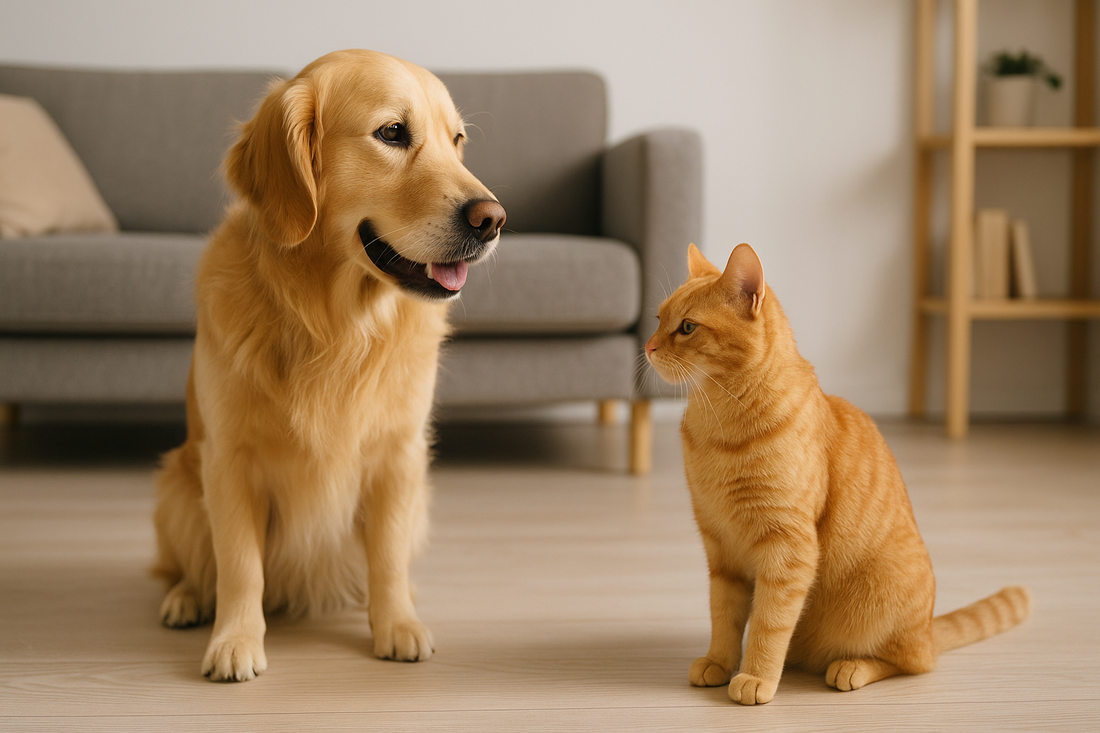
Dog meets cat – Tips for a harmonious coexistence
A dog and a cat under one roof – that often sounds like chaos, but with the right preparation, it can work wonderfully. To prevent initial mistrust from turning into lasting rivalry, patience, an understanding of the animals' differences, and a safe environment are needed. In this post, we'll show you how to carefully accustom dogs and cats to each other, avoid common mistakes, and lay the foundation for peaceful coexistence. Whether it's a puppy meeting a house cat or an elderly cat meeting a youngster – with the right tips, getting to know each other will be stress-free.
Contents: Dog meets Cat – Tips for a Harmonious Coexistence
- Understanding Character Differences: A Dog Is Not a Cat
- Properly Preparing the First Encounters
- Creating Safe Retreats for Both Animals
- Utilizing Scents, Spaces, and Rituals Purposefully
- Recognizing and Avoiding Typical Conflicts
- Training and Positive Reinforcement in Everyday Life
- Being Patient: How to Recognize Progress in Coexistence
- Conclusion
Discover our selection of first-class dog chew items!



Understanding Character Differences: A Dog Is Not a Cat
For harmonious coexistence, it's important to understand the fundamental differences between dogs and cats. Dogs are usually socially oriented, actively seek contact with humans and other animals, and follow clear structures. Cats, on the other hand, are more territorial, independent, and need more control over their environment. While a dog reacts openly, curiously, and often directly to new situations or creatures, a cat usually decides cautiously and observantly from a distance. These different communication styles can quickly lead to misunderstandings – for example, if a happily wagging dog approaches a cat with playful intentions, and the cat perceives it as a threat. Body language, facial expressions, and vocalizations also differ greatly. Understanding and respecting the needs of both animals are therefore the first step toward a functional coexistence. Only by knowing their language can you specifically address fears and boundaries.
Properly Preparing the First Encounters
The first encounter between a dog and a cat should be controlled, calm, and well-prepared. Both animals should be sufficiently exercised beforehand to avoid excessive energy or stress. The dog should remain on a leash, and the cat should have free retreat options. Important: No force, no holding, no direct confrontation. Instead, the animals should be able to meet from a distance – for example, through a baby gate or a cracked door. Scents play a big role: Beforehand, exchange blankets or toys so that both can get used to each other's scent. Reward calm behavior with treats and praise relaxed observation. The more neutral and relaxed the initial meeting is, the greater the chance for a long-term peaceful relationship. Several short encounters spread over days are better than one long, uncontrolled first contact.
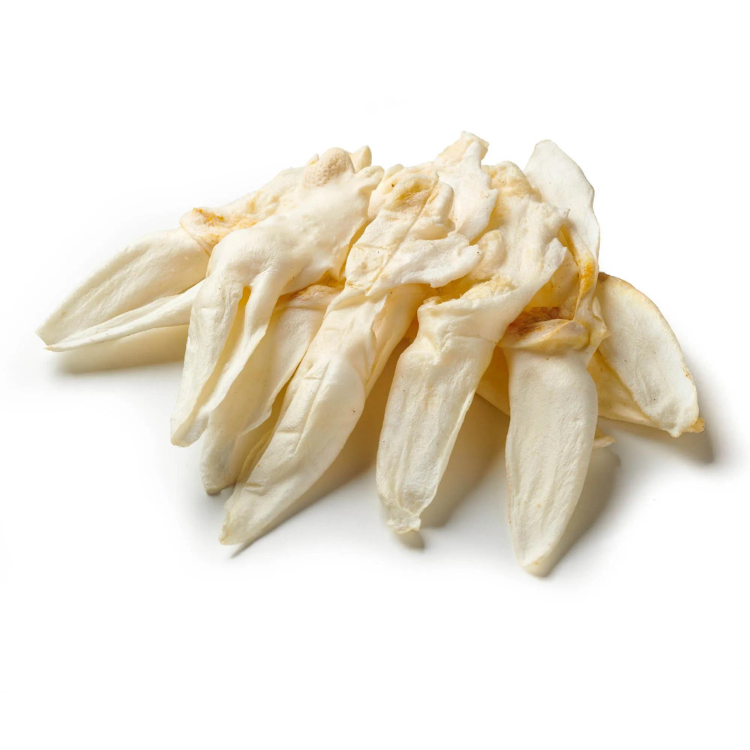
Make your dog happy with our delicious snacks!


Creating Safe Retreats for Both Animals
Dogs and cats each need retreats where they can be undisturbed. Cats, in particular, require elevated places or rooms that the dog cannot reach. This allows them to maintain control and feel secure. For the dog, beds in quiet corners that are not directly in common pathways are suitable. It is important that both animals can decide for themselves at any time when they want closeness or distance. Forced approximation often leads to stress and rejection. Retreats foster mutual trust and reduce conflicts in daily life.
Utilizing Scents, Spaces, and Rituals Purposefully
Scents are central to animals and significantly influence their behavior. Even before the dog and cat meet, you should exchange blankets, sleeping places, or toys so that both can become familiar with each other's scent. This way, the new housemate is no longer perceived as completely foreign. Feeding areas should be spatially separated and clearly assigned – ideally out of sight of the other animal. This prevents food jealousy, and each has its protected area. Routines such as fixed feeding times, regular rest periods, and structured schedules provide security. Cats, in particular, are sensitive to changes – rituals help them maintain control. Rooms with clear functions (e.g., eating, resting, playing) prevent overlaps that can cause stress. The deliberate introduction of shared rituals, such as quiet treat times in the same room, can also promote rapprochement and create positive associations.
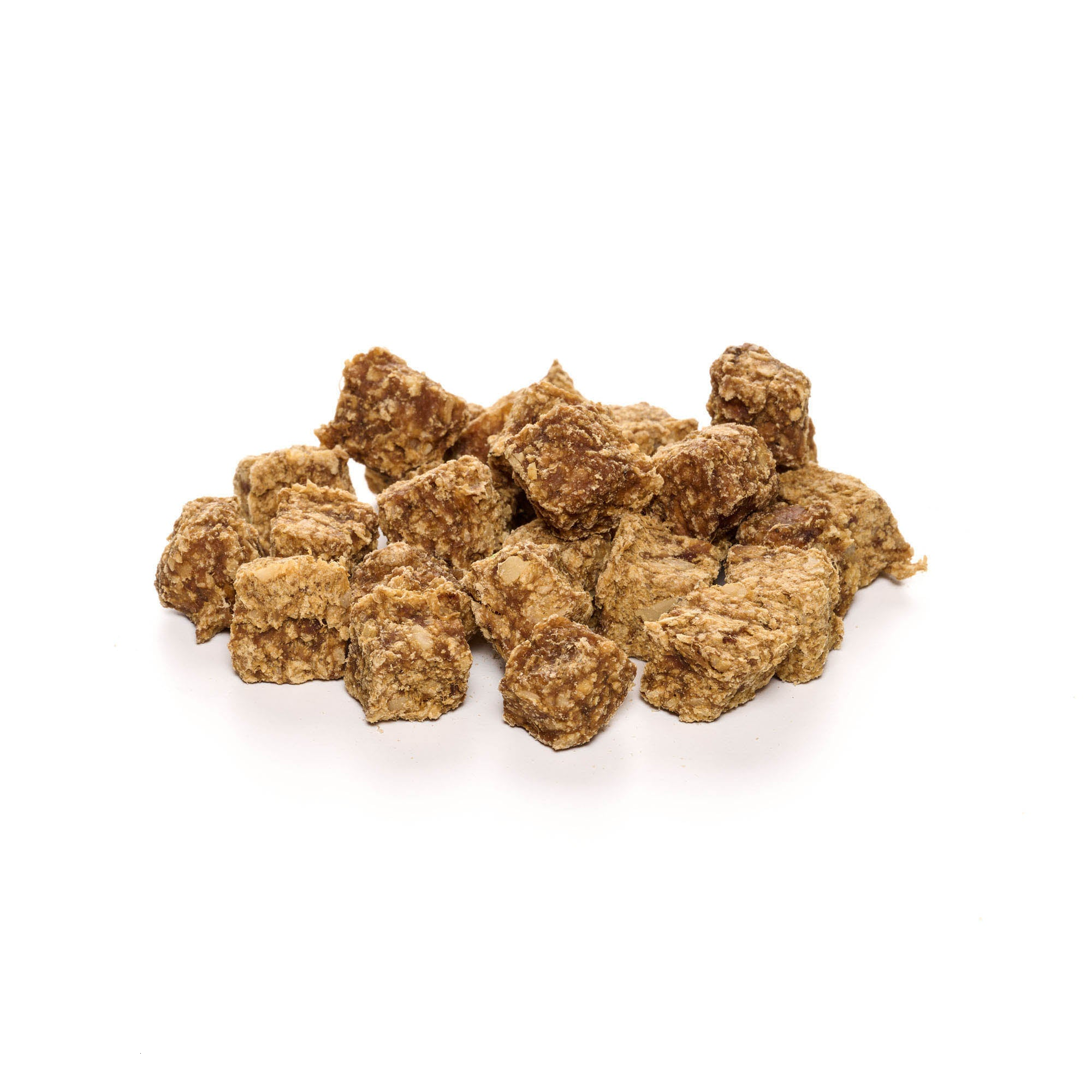
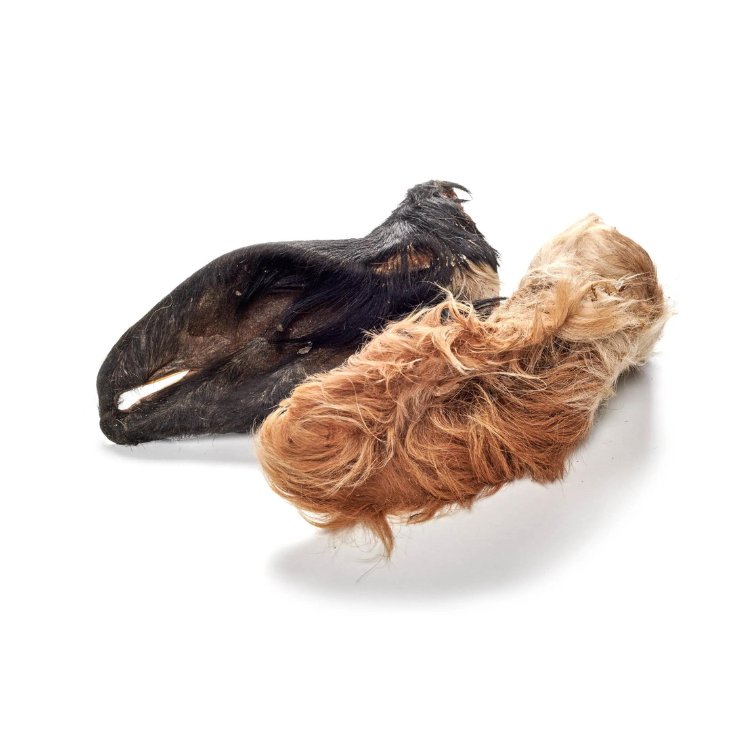
Discover delicious dog snacks directly from our assortment!

Recognizing and Avoiding Typical Conflicts
Chasing, growling, hissing, or stalking are clear warning signs and should be taken seriously. Many conflicts arise from misunderstandings in communication: A dog approaches curiously or playfully, but the cat interprets it as a threat and flees – which in turn can strengthen the dog's hunting instinct. Therefore, pay close attention to the body language of both animals: an elevated tail, tense muscles, fixed gaze, or flattened ears are signs of stress or insecurity. Intervene early if there is excessive tension – not with punishment, but by calmly redirecting, spatially separating, or purposefully distracting. It is particularly important to clearly separate resources: food, retreats, favorite toys, or sleeping places should not be contested. Food jealousy or possessiveness are frequent triggers for conflicts. Also, avoid favoring one animal over the other – stay calm, fair, and observe carefully when and where tensions arise. This way, you can intervene preventively before it escalates.
Training and Positive Reinforcement in Everyday Life
Clear rules and positive reinforcement are the key to a calm and stable coexistence. Reward your dog's calm behavior near the cat specifically with treats, praise, or a short game – this way, they associate the cat's presence with something positive. The cat also benefits from calm, predictable interactions. Avoid hectic movements or uncontrolled approaches – especially in the beginning. With the dog, you should specifically train impulse control, e.g., by "sit and stay" near the cat or by short relaxation exercises. For dogs with a strong prey drive, slow build-up is particularly important. Clicker training can help to specifically encourage desired behavior in both animals – e.g., calm observation, relaxation in the same room, or retreating on command. Important: No scolding or punishing unwanted behavior – this exacerbates insecurity and tension. Redirecting, clear signals, and consistent rewarding of correct behavior lead to long-term trust and stability.
Being Patient: How to Recognize Progress in Coexistence
A peaceful coexistence between a dog and a cat develops gradually and requires one thing above all: time. You can recognize progress by neutral behavior – for example, when both animals ignore each other, observe each other calmly, or slowly approach each other without causing stress. Resting together in the same room, sniffing each other, or sharing living space without tension are also important signs of growing acceptance. Some animals get used to each other within a few weeks, others need months. Setbacks are normal and no cause for concern – a calm, stable daily routine with clear routines is important. Do not force closeness: if one of the animals retreats, step back and give it space. Reward positive interactions specifically, without creating pressure. Over time, many dog-cat pairs develop a quiet, mutual acceptance – some even close bonds. The key lies in your patience, observation, and consistent, empathetic behavior.
Conclusion
Dogs and cats can become a harmonious team – if their differences are respected and their needs are taken seriously. With preparation, patience, safe retreats, and consistent training, many typical conflicts can be avoided. A calm, structured daily routine in which both animals can build trust is crucial. Do not force anything, but accompany the process attentively and empathetically. This way, peaceful coexistence – often even a true friendship – will develop over time.
Reward your best friend with our dog snacks!