
Weighing your dog and understanding body condition score
The body condition score in dogs (BCS) is a scale you use to assess your dog's figure based on ribs, waist and belly line – usually from 1 (severely underweight) to 9 (severely overweight), with 4 to 5 considered ideal. Combined with regular weighing, it helps you see early on whether the amount of food and snacks still suits your dog.
Content: Weighing your dog and understanding body condition score
- What is the body condition score in dogs?
- Determining your dog's body condition score yourself
- Weighing your dog: how to do it at home
- How often should I weigh my dog?
- Maintaining your dog's ideal weight: adjusting food and snacks
- Frequently asked questions about body condition score in dogs
- Conclusion: weighing and body condition score go together
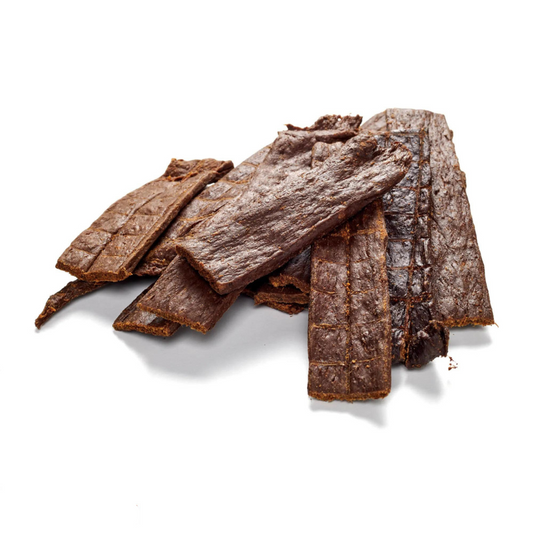
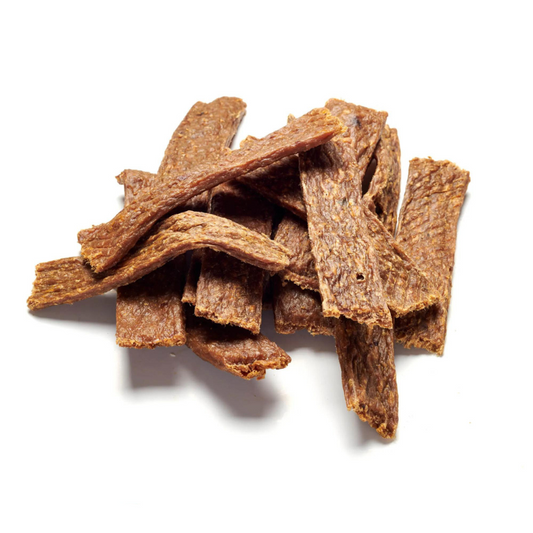
Low-fat chews for dogs watching their figure:


What is the body condition score in dogs?
The body condition score is a standardised system for assessing a dog's nutritional status that vets use worldwide. It describes how much fat covers the body – regardless of breed and size.
Why the scales alone are not enough
Body weight only tells you how heavy your dog is, not whether that weight consists of muscle or fat. Two dogs weighing 20 kg can look completely different. The BCS adds a look at the figure to the number on the scales. Only both together give a complete picture.
The 9-point scale at a glance
A scale from 1 to 9 is common. There is also a 5-point version in which 3 is considered ideal. What matters is that you always use the same scale.

| BCS | Category | Typical features |
|---|---|---|
| 1–3 | too thin | ribs, spine and pelvic bones clearly visible, hardly any fat cover |
| 4–5 | ideal | ribs easy to feel under a thin layer of fat, waist visible from above, belly slightly tucked up |
| 6–7 | overweight | ribs only felt with pressure, waist barely visible |
| 8–9 | obese | ribs cannot be felt, no waist, fat pads on the back and base of the tail |
Determining your dog's body condition score yourself
You determine your dog's body condition score in three steps: feel the ribs, look at the waist from above and check the belly line from the side.
Step by step
- Feel the ribs: Place both hands flat on the rib cage. The ribs should be easy to feel without pressure but should not stick out.
- Waist from above: Look down at your dog. Behind the ribs there should be a slight indentation.
- Belly line from the side: Seen from the side, the belly line rises slightly behind the rib cage.
- Check for fat pads: Also feel the base of the tail and the loin area. Noticeable pads indicate excess weight.
- Write down the result: Note the score with the date and weight in a list.
How it differs from the rib test
The simple rib test is one part of the BCS. You can read how to do it in detail in our article Recognising if your dog is overweight: the rib test. The BCS goes one step further because it also takes the waist, belly line and fat pads into account.
Breed and coat differences
In long-haired dogs the coat can easily be deceptive. Here, feeling is more important than looking. Sighthounds are naturally very slim, while sturdy breeds such as mastiff types look broader even at their ideal weight. If in doubt, your vet will help you assess your dog.
Weighing your dog: how to do it at home
The easiest way to weigh a small or medium-sized dog is the difference method on normal bathroom scales: first weigh yourself alone, then with your dog in your arms.
Methods compared
- Difference method: Your weight with the dog minus your weight without the dog. Good for dogs you can carry safely.
- Dog directly on the scales: Possible with calm dogs; a non-slip mat helps.
- Vet practice: Many practices have floor scales that you can often use without an appointment – ideal for large dogs.
A simple weight log
A log does not have to be complicated. Each time you check, note the date, the weight, your BCS score and short comments, for example about a change of food, an illness or a period with less exercise. After a few months you will see whether the weight is slowly changing, even if you have not noticed anything in everyday life. Gradual gains of a few hundred grams a month in particular otherwise go unnoticed for a long time. Take the log to the vet as well, as it makes their assessment easier. Photos from above and from the side, always taken from the same position, complement the numbers very clearly.
Tips for comparable results
- Same time of day: Ideally in the morning before feeding.
- Same scales: Different scales often give different readings.
- Without a harness: Or always with the same harness.
- Record the values: A table or app shows trends better than individual measurements.
How often should I weigh my dog?
An adult dog of normal weight should be weighed and assessed about once a month; during a diet, for puppies or for seniors, more frequent checks make sense.
| Situation | Recommended check (guideline) |
|---|---|
| Adult dog at ideal weight | about once a month |
| Growing puppy | weekly to every two weeks |
| Dog on a diet | every one to two weeks |
| Senior or chronically ill dog | every two to four weeks or as agreed |
If your dog loses or gains significant weight for no obvious reason, have it checked by the vet. If your dog is too thin, our article Your dog is too thin? will help.
Maintaining your dog's ideal weight: adjusting food and snacks
You maintain your dog's ideal weight by adjusting the amount of food to the BCS and consciously including snacks in the daily ration.
How to respond to the BCS
- BCS 4–5: Keep it up – maintain the amount of food and check regularly.
- BCS 6–7: Reduce food in small steps, plan more exercise, switch snacks to lean varieties.
- BCS 8–9: Draw up a weight-loss plan together with your vet.
- BCS 1–3: Have the causes checked by the vet before you increase the amount of food.
Choosing snacks wisely
Especially with excess weight, low-fat rewards are worthwhile. You will find a large selection in the category low-fat chews. Lung snacks such as Lamb lung are very light, and Mini chicken meat cubes from the category training snacks are ideal for lots of small rewards. How many treats make sense each day is explained by the 10 percent rule.
Light rewards for weight control:


Frequently asked questions about body condition score in dogs
How do I find my dog's ideal weight?
The ideal weight is the weight at which your dog has a BCS of 4 to 5 on the 9-point scale. Weigh your dog when the ribs are easy to feel and the waist is visible, and use this value as your target. Breed standards only give a rough range.
What is the body condition score?
The body condition score is a scale for assessing body condition, usually from 1 to 9. It evaluates palpable ribs, waist and belly line. It shows whether a dog is too thin, ideal, overweight or obese.
How often should I weigh my dog?
Adult, healthy dogs about once a month. You should weigh puppies, dogs on a diet and seniors more often, every one to four weeks depending on the situation. Note every value with the date.
Is the body condition score the same for all breeds?
The scale is the same for all breeds, but assessing it takes some experience. Sighthounds are naturally slim, heavy breeds look broader. With a thick coat, feeling is especially important.
What should I do if the BCS is too high?
Reduce food and snacks gradually, rely on lean rewards and increase exercise slowly. From a score of 8, you should draw up a weight-loss plan with your vet.
Low-fat chews for long-lasting chewing fun:


Conclusion: weighing and body condition score go together
Regular weighing and the body condition score in dogs complement each other: the scales show changes, the BCS shows whether the figure is right. If you record both about once a month, adjust food and snacks and ask your vet about any noticeable changes, you will keep your dog in the ideal range in the long term. You will find hypoallergenic, lean alternatives in the category hypoallergenic chews, such as Cod skin rings.
Further reading on this topic:
- Obesity and weight management in dogs
- Low-calorie dog treats: rewarding without weight gain
- Low-fat dog chews for overweight dogs & pancreatitis
This post was created with the help of AI