
Adolescent dogs and puberty: training with rewards
An adolescent dog usually reaches puberty between six and twelve months of age, often somewhat later in large breeds, and during this teenage phase needs above all patience, short training sessions and particularly attractive rewards. What worked yesterday seems forgotten today – that is normal and temporary. With clear rules and the right treats, you will get through this time well together.
Content: Adolescent dogs and puberty: training with rewards
- When does an adolescent dog reach puberty?
- Puberty in young dogs: adapting your training
- Which reward motivates adolescent dogs?
- Typical puberty problems and solutions
- FAQ about adolescent dogs in puberty
- Conclusion: patience and good rewards
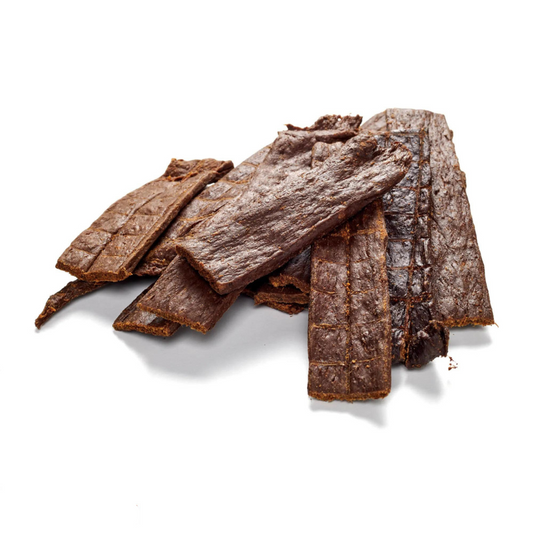
Small training treats for lots of repetitions:


When does an adolescent dog reach puberty?
Puberty begins in most dogs between six and twelve months of age; small breeds are often earlier, while large and late-maturing breeds can “go through puberty” well into their second year. The exact timing is individual.
Typical signs of the teenage phase
- Selective hearing: Familiar cues such as recall or sit are suddenly ignored.
- More independence: The young dog moves further away, explores more and tests limits.
- New insecurities: Some dogs suddenly react fearfully to things that didn’t bother them before.
- Interest in the opposite sex: Marking in males, first season in females.
- Fluctuating concentration: Good and bad training days alternate.
What happens in the brain
During puberty, hormones change and the brain continues to mature. Areas responsible for impulse control partly develop more slowly than the urge for novelty. So your adolescent dog is not stubborn or “dominant”, but simply going through a phase of restructuring. Knowing this helps you stay calm.
Males and females in puberty
In males, puberty often shows through increased marking and great interest in smells. Females usually have their first season during this time; before and during it, they may be clingier or more restless. Plan calmer walks and less demanding training during these weeks. Questions about neutering are best discussed calmly with your vet, as the right timing depends on the individual dog.
Puberty in young dogs: adapting your training
During puberty, it is best to train an adolescent dog in short, well-planned sessions with easier tasks, more frequent rewards and clear rules. The goal is to secure successes rather than create new conflicts.
Taking a step back
If a cue no longer works, make the exercise easier again: less distraction, shorter distance, shorter duration. Then reward more often again, just like in puppyhood. This is not a setback, it secures what has been learned. You will find helpful exercises in our article impulse control in dogs.
Short sessions, clear structure
- Three to five minutes of focused training are enough, ideally several times a day.
- Start with an easy exercise that is sure to work, and finish with a success.
- Fixed rituals such as regular walking times provide security.
- Secure off-lead time: In uncertain phases a long line helps, so your dog doesn’t learn that running off pays off.
- Plan rest: Adolescent dogs need a lot of sleep, otherwise restlessness and frustration increase.
Recall during the teenage phase
Recall is particularly vulnerable during puberty. Practise it often in easy situations and reward every return generously. Which treats are best suited for this is shown in our treat ranking for recall training.
Which reward motivates adolescent dogs?
Adolescent dogs are most strongly motivated by a reward that is more valuable at that moment than the distraction – often small, very tasty meat snacks, but sometimes also play or permission to sniff.
The reward ladder
Rank rewards by their value and use them according to the difficulty:

| Level | Reward | Use |
|---|---|---|
| 1 – Everyday | dry food from the daily ration, praise | simple, familiar exercises at home |
| 2 – Training | small training treats, Softies | exercises with some distraction |
| 3 – Jackpot | especially coveted treats, several pieces in a row | recall, dog encounters, difficult situations |
Choosing treats wisely
For lots of repetitions, small pieces from the category training snacks are ideal, for example the mix training snack. Soft Softies can be eaten quickly, so the flow of training doesn’t stall. For jackpot moments, it is worth taking a look at the special treats – varieties your dog doesn’t get every day are often the most appealing.
Play and sniffing as a reward
Not every reward has to be edible. Many adolescent dogs love a short game of tug, a throwing game or permission to sniff extensively at an exciting spot. Especially with recall, it can be very effective to send your dog back to sniffing after it has come to you – that way it learns that coming back doesn’t mean the end of the fun. Combine food and environmental rewards to keep training varied. A tasty snack like the salmon training snack works well as a start before the release follows.
Keeping an eye on the amount
Adolescent dogs are still growing, and large breeds in particular shouldn’t gain weight too quickly. So deduct the treats from the food ration and use part of the normal food for easy exercises. Small pieces such as mini meat cubes help keep the amount small.
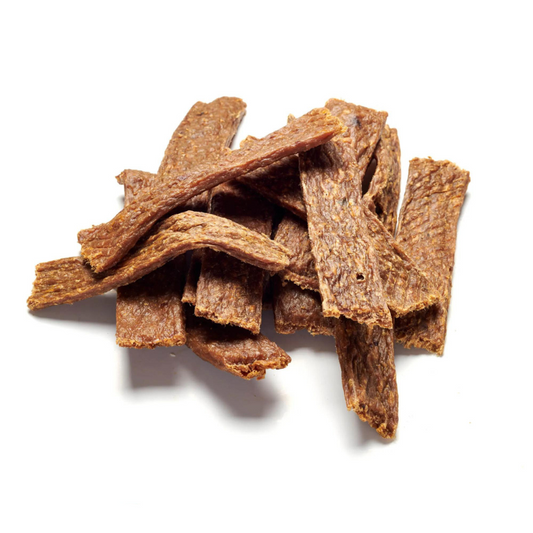
Training snacks in different varieties for some variety:


Typical puberty problems and solutions
The most common problems during puberty – ignoring cues, pulling on the lead, excitement during dog encounters and chewing furniture – can usually be defused with management, small training steps and activity.
Pulling on the lead
Stop as soon as the lead becomes tight and continue walking when it is loose again. At first, reward a loose lead every few steps with a small treat right next to your leg.
Excitement during dog encounters
Keep enough distance so that your adolescent dog is still responsive, and reward every calm look at the other dog. Detailed tips can be found in our article relaxed dog encounters.
Destructiveness and restlessness
Many adolescent dogs love to chew, especially while their permanent teeth are settling into the jaw. A suitable chew during a quiet phase helps them wind down. Long-lasting chews from the category chewing fun are a good complement to walks and training. Please only give chews under supervision.
When you should get help
If your adolescent dog shows strong fear, aggression or behavioural changes that worry you, talk to your vet to rule out physical causes. A qualified dog trainer can also support you.
Soft rewards for fast-paced training:


FAQ about adolescent dogs in puberty
When do dogs reach puberty?
Most dogs reach puberty between six and twelve months of age. Small breeds are often earlier, large breeds later. The phase can last into the second year of life.
How do I train a dog in puberty?
Train in short sessions of a few minutes, make exercises easier again if needed and reward more often. Secure off-lead time with a long line and end every session with a success. Stay patient and consistent, without pressure.
Which reward motivates adolescent dogs?
A reward that is more valuable than the distraction works best. In difficult situations, these are usually small, very tasty meat snacks; in everyday life, food and praise are enough. Change the varieties occasionally so they stay exciting.
How long does the teenage phase last in dogs?
The teenage phase usually lasts a few months, sometimes longer in large breeds. Once physical and mental maturity is reached, your dog will usually become more balanced again. What you practise consistently during this time generally stays well anchored.
Should I give fewer treats during puberty?
No, treats are particularly valuable right now because they make desired behaviour worthwhile. It is only important to deduct the treats from the daily ration. Once a behaviour is reliable later on, you can gradually reduce the reward.
Conclusion: patience and good rewards
Puberty is an exhausting but temporary phase in your adolescent dog’s life. If you make exercises easier, reward more often, plan short sessions and secure off-lead time, what has been learned will be retained. A reward ladder from food to training treats to the jackpot helps you have the right motivation ready for every situation. And once what has been learned is stable, you can gradually reduce the treats – how to do this is explained in our article fading out treats.
Further reading on this topic:
- Training snacks for dog training
- Clicker and treats: getting the timing right
- Chewing against stress: how chews calm dogs
This post was created with the help of AI