
Snacks for Sport Dogs: Energy for Agility & Co.
Snacks for sport dogs should be small, easy to digest, lean and quick to eat, so that your dog stays motivated in agility, canicross or obedience without putting strain on its stomach. Besides choosing the right snack, what matters most is the right timing around training and a treat quantity that matches your dog's actual energy needs. In this guide you'll learn what sport dogs really need and how to plan rewards sensibly.
Content: Snacks for Sport Dogs: Energy for Agility & Co.
- What snacks do sport dogs need?
- Timing sport dog snacks correctly: before, during and after training
- The best rewards for agility
- Energy needs and treat quantity in dog sports
- Choosing sport dog snacks: what matters
- Frequently asked questions about snacks for sport dogs
- Conclusion: Fit for dog sports with the right snacks
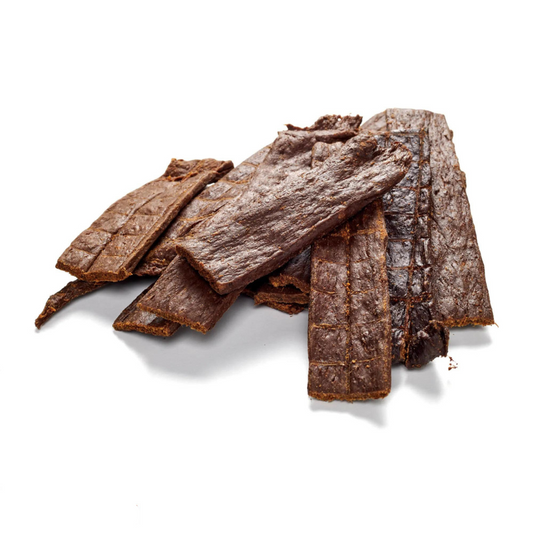
Small training snacks that keep your sport dog motivated on the field:


What snacks do sport dogs need?
Sport dogs mainly need snacks that work as a quick, small reward – the actual energy for training and competition comes from a balanced main diet. In dog sports, treats are first and foremost a tool for motivation and communication, not fuel.
A reward, not a meal
In agility, flyball, canicross or mantrailing you often reward dozens of times per session. Each reward should tell your dog in a split second: "That was exactly right!" What counts is not the size of the snack but the moment it arrives. Large chews or fatty bites therefore have no place on the training field – they take too long, distract and can upset the stomach.
The most important qualities at a glance
- Small: roughly pea- to fingernail-sized, so your dog can swallow them without chewing.
- Easy to digest: ideally just one or a few ingredients, no sugar, no unnecessary additives.
- Rather lean: fat provides a lot of energy and is digested more slowly – with many repetitions this adds up quickly.
- Low in crumbs and easy to grab: snacks that don't smear can be pulled out of your pouch quickly, even on the move.
- Different value levels: a small "reward hierarchy" of everyday snack and jackpot helps with difficult exercises.
How the individual disciplines work and which sport suits your dog is explained in our overview Types of dog sports from agility to mantrailing. This article, by contrast, is all about nutrition and the right snacks around the sport.
Timing sport dog snacks correctly: before, during and after training
Sport dog snacks are best given in small amounts during training, while larger meals should take place with enough time before and after exercise. That way your dog stays motivated without running and jumping on a full stomach.
Before training
Training on a full stomach is no fun – that applies to dogs just as much as to us. It is often recommended to feed a larger meal at least around two hours before intense exercise. Especially in large, deep-chested breeds, leaving enough time between feeding and exercise is also discussed in connection with the risk of gastric torsion (bloat). The best person to discuss the right interval for your dog is your vet. Before training, a handful of small treats for warming up and getting in the mood is usually enough.
During training
- Mini portions: one single small training snack per reward is completely sufficient.
- Offer water: let your dog drink small amounts during breaks, especially in warm weather.
- Plan breaks: short rest periods help your dog process what it has learned.
How much fluid a dog needs in general is covered in our article How much water does a dog need?.
After training
After exercise, your dog first needs rest and water. Let it wind down slowly before the next regular meal – here too, an interval of around one to two hours is often recommended. A small, soft snack after the cool-down, on the other hand, is generally unproblematic and rounds off the session on a positive note.

The best rewards for agility
The best rewards for agility are tiny, very tasty snacks that your dog can swallow on the run without losing its rhythm. On a fast course every second counts, so size matters even more here than in calm basic obedience.
Building a reward hierarchy
| Level | When to use it? | Examples |
|---|---|---|
| Everyday reward | simple, familiar exercises | lean mini meat cubes, lung cubes |
| Medium reward | new equipment, distractions on the field | small training snacks, fish cubes |
| Jackpot | breakthrough in a difficult sequence | several pieces in a row or a soft favourite snack |
Practical tips for the course
- Reward at the target: give the snack where your dog should run to, for example after the contact zone.
- Variety: alternate between food and play rewards so your dog doesn't become "food-fixated".
- A dedicated snack pouch: a treat pouch on your belt saves time and keeps the snacks fresh.
Very light rewards are lung cubes such as the Lamb lung cubes mini: they are airy, lean and easy to plan in, even in larger numbers. You'll find more basics on rewarding in our article Training snacks for dog training.
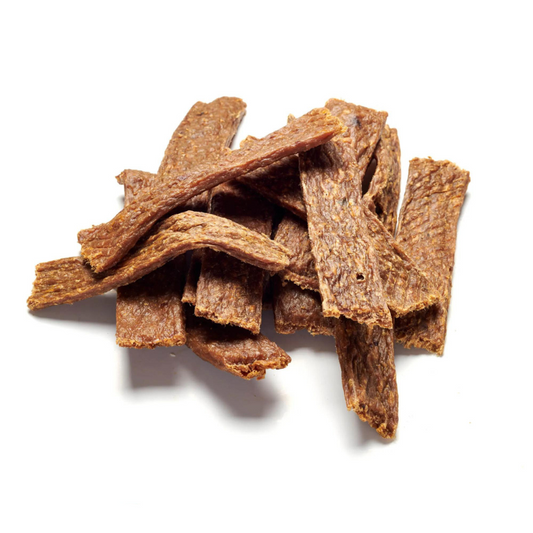
Light mini cubes for many repetitions on the course:


Energy needs and treat quantity in dog sports
Depending on the discipline, training volume and breed, sport dogs often have higher energy needs than family dogs – but the treat quantity should still make up only a small part of the daily ration. You cover the extra need through the main food, not through snacks.
The 10 percent rule also applies in sports
As a guideline: treats and chews together should provide no more than about 10 percent of daily energy. On training days with lots of rewards, you deduct the snack calories from the main food. Exactly how this works is shown in our guide How many treats per day?.
How to tell whether the energy is right
- Body shape: the ribs should be easy to feel but not clearly visible.
- Performance: your dog has good stamina and recovers quickly after training.
- Weight trend: weighing regularly shows you whether you need to adjust during training-intensive phases.
If your dog seems tired despite good feeding, loses weight, or if training volume increases significantly, it's best to have the ration checked by your vet or a pet nutrition specialist. For dogs that tend to put on weight, low-fat chews and snacks are particularly suitable.
Choosing sport dog snacks: what matters
You can recognise good sport dog snacks by a short ingredient list, a moderate fat content and a size that suits the purpose. Dried meat, fish and offal snacks usually meet these criteria particularly well.
Suitable types of snacks compared
| Type of snack | Advantage in sports | Note |
|---|---|---|
| Training snacks | small, easy to grab, eaten quickly | ideal for many repetitions |
| Mini lung and meat cubes | lean and light | good for dogs that need to watch their figure |
| Fish cubes | intense smell, high motivation | e.g. with distractions at competitions |
| Soft treats and sausages | soft, easy to divide, very popular | rather as a jackpot, cut into thin slices |
What to look out for when buying
- Check the ingredients: single-protein snacks make it easier to identify intolerances.
- Compare crude fat: the more rewards you give, the more important a moderate fat content becomes.
- Test the size: the snack should be swallowable without chewing or easy to divide.
- Test tolerance: try new snacks during calm everyday life first, not right before a competition.
You'll find a large selection in our training snacks category. Lean horse snacks such as the Horse training snack are well suited to dogs with sensitive stomachs. Fragrant alternatives are fish snacks such as the Cod cubes mini. As a soft jackpot, soft treats or sliced Mini Chicken Sausages are a good choice.
Snacks for on the go, competition days and the jackpot:


Frequently asked questions about snacks for sport dogs
What snacks do sport dogs need?
Sport dogs mainly need small, easily digestible and rather lean snacks that they can swallow quickly. Dried meat, lung or fish cubes and special training snacks are well suited. The energy for performance comes from the main food, not from the treats.
When should I feed before dog sports?
A larger meal should take place well before intense exercise – at least around two hours is often recommended. Small training snacks during the session, on the other hand, are unproblematic. For large, deep-chested dogs, it's best to discuss the right interval with your vet.
Which reward is suitable for agility?
For agility, tiny, very tasty snacks that your dog can swallow on the run are ideal, such as mini meat cubes or lung cubes. Keep a jackpot ready for particularly difficult sequences, for example a soft favourite snack. Play can also be a valuable reward.
Does a sport dog get more treats?
On training days you usually give more rewards, but snacks should still make up only about 10 percent of daily energy. You cover higher energy needs with an adjusted amount of main food. On training-heavy days, deduct the snack calories from the food.
What should I give my dog after training?
After training, water and rest come first. A small, soft snack at the end is fine, but the next regular meal should follow after a while. This allows your dog's circulation to return to normal in peace.
Conclusion: Fit for dog sports with the right snacks
Good sport dog snacks are small, lean, easy to digest and eaten quickly – they motivate without burdening the stomach. Plan larger meals with enough time before and after training, rely on mini portions during the session and build a reward hierarchy so you have a jackpot up your sleeve for difficult exercises. Make sure snacks make up only a small part of the daily ration, and if training volume is high or your dog's weight changes, have its diet checked by your vet. You'll find suitable rewards in our training snacks and offal categories.
Further reading on this topic:
- Dog sports - what dog sports are there?
- Jogging with dog
- Low-Calorie Dog Treats: Rewarding Without Weight Gain
This post was created with the help of AI