
Food diary for dogs: keeping track of treats
A food diary for dogs is a simple log in which you note down every day what your dog eats – from the main food to treats and chews to table scraps. It quickly shows you how many snacks actually add up and gives you and your vet a reliable basis if digestive problems, itching or weight questions come up. In this post you will learn what belongs in a food log, how to keep one without much effort and why treats should always be counted.
Content: Food diary for dogs: keeping track of treats
- What is a food diary for dogs?
- What is a food log good for?
- What belongs in a food diary?
- Keeping a food diary for your dog: step by step
- Counting treats: how to stay on top of things
- Frequently asked questions about the food diary
- Conclusion: little effort, great overview
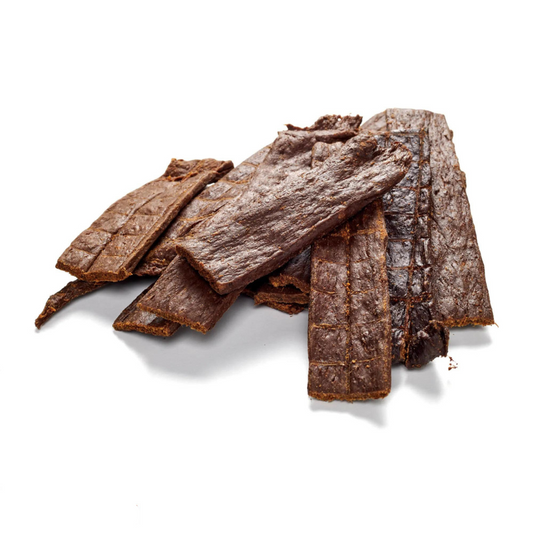
Single-protein snacks that are easy to count and log:


What is a food diary for dogs?
A food diary for dogs – also called a food log or feeding diary – is an ongoing list of everything your dog eats in a day, along with observations on digestion, skin and behaviour. It is not about perfect bookkeeping, but about an honest picture of what actually ends up in the bowl and in the treat pouch.
Paper, app or spreadsheet?
Which format you choose is a matter of taste. The only thing that matters is that you really use it every day:
- Notebook or printout: Lies next to the feeding spot and is within easy reach of every family member.
- Spreadsheet on the computer: Handy if you want to add up amounts or compare weeks.
- Notes app on your smartphone: Ideal on the go, for example when you reward your dog on walks or during training.
How long should you keep a log?
For a first overview of how many snacks your dog gets, one to two weeks are often enough. If you suspect an intolerance, a longer period makes sense, because reactions to food do not always show up straight away. During an elimination diet, your vet will tell you how long it should last.
What is a food log good for?
A food log is good for tracking down hidden calories, narrowing down possible triggers of intolerances and giving your vet concrete information instead of vague memories.
For overweight dogs and weight questions
Many dogs do not put on weight because of their main food, but because of the many small extras: a chew in the evening, bits of sausage during training, a leftover from breakfast. The diary shows how much of this adds up. You can also check whether your dog is at a healthy weight with the rib test. If you want to save calories, you will find lean options among our low-fat chews.
If you suspect a food allergy or intolerance
If your dog scratches a lot, licks its paws or keeps having soft stools, an allergy diary can help you spot connections. It is especially important during an elimination diet: your dog may only eat very specific foods for several weeks, and a single “wrong” treat can skew the result. Our post Elimination diet for dogs with allergies explains how such a diet works. The diagnosis is always made by your vet – the diary is a valuable tool along the way.
For sensitive stomachs and food changes
When you switch food or try new chews, the log also shows you how your dog reacts. Ideally, try new snacks one at a time so that you can clearly attribute any change.
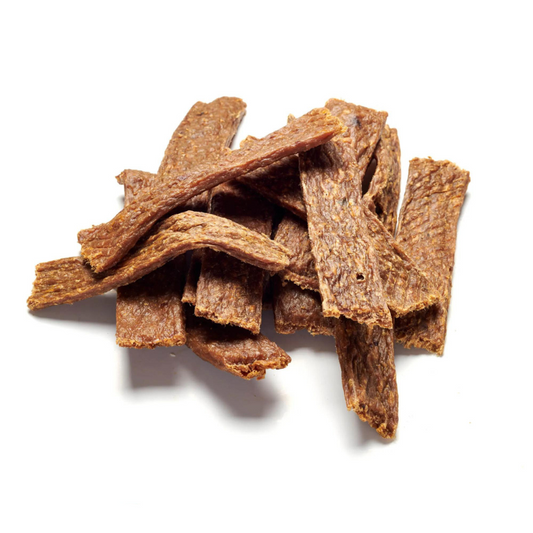
Chews made from just one animal ingredient – easy to log:


What belongs in a food diary?
Everything your dog eats belongs in the food diary, with the time, type and amount – plus short notes on stools, skin and general wellbeing. The more precise the details, the more meaningful the log.
The most important details per entry
- Date and time: This lets you match reactions to a point in time.
- Main food: Brand or variety and amount in grams.
- Treats and chews: Type, animal and number of pieces or weight – for example “2 lamb ears” or “15 g meat cubes”.
- Extras: Table scraps, chews from visitors, fillings for food toys, supplements such as oils.
- Stool and digestion: Consistency, frequency, anything unusual.
- Skin, coat and behaviour: Itching, paw licking, energy, appetite.

Why the animal source matters so much
Especially if an allergy is suspected, it is not only how much your dog eats that counts, but also which protein source it contains. A chew made from a single animal is easy to log clearly. For mixed products, copy down or photograph the ingredients list. You will find a large selection of snacks with a single protein source in our hypoallergenic chews category, for example made from horse. What to look out for when choosing is explained in our guide Chews for dogs with allergies.
Example of a daily entry
| Time | What? | Amount | Observation |
|---|---|---|---|
| 07:30 | Main food (note the variety) | 150 g | eats quickly |
| 12:00 | Training: mini horse meat cubes | approx. 10 g | – |
| 18:00 | Main food | 150 g | – |
| 20:00 | Chew: 1 lamb ear | 1 piece | normal stool the next morning |
The amounts in the table are just an example – the right amount of food depends on your dog and the feeding recommendation.
Keeping a food diary for your dog: step by step
The best way to keep a food diary for your dog is to choose a fixed format, involve everyone in the household who feeds the dog and make each entry right after feeding.
- Choose a format: Decide on paper, spreadsheet or app and set up the columns from the previous section.
- Brief the family: Explain to everyone who feeds your dog that every treat is recorded – including grandparents, neighbours and dog sitters.
- Use kitchen scales: Weigh food and snacks at the beginning. After a few days you will get a good feel for typical portions.
- Write it down straight away: Enter everything immediately, not in the evening from memory.
- Add observations: Briefly note stools, itching or anything unusual, even if everything is normal.
- Review weekly: Add up the snack amounts and look for patterns, for example soft stools after a particular chew.
- Take it to the vet: If health questions come up, the log is a great help during the consultation.
Avoid typical mistakes
- Leaving out small things: That “one little piece of cheese” can be decisive if an allergy is suspected.
- Many new snacks at once: Then a reaction can no longer be linked to a specific product.
- Stopping too early: A few days are often too short to spot patterns.
Counting treats: how to stay on top of things
Yes, treats should always be counted in the food diary, because they provide energy and can trigger intolerances just like the main food.
The 10 percent rule as a guide
A common rule of thumb says that snacks and chews together should make up no more than about 10 percent of your dog’s daily energy requirement. The diary lets you check whether you stay within this limit. How to estimate the budget based on your dog’s weight is explained in the post How many treats per day?.
Everyday tricks
- Prepare a daily box: In the morning, put the day’s snacks into a small box and note the weight once. In the evening, subtract whatever is left.
- Small, even pieces: Evenly sized snacks such as mini horse meat cubes are easy to count.
- Split soft snacks: You can tear Softies horse and other Softies into small pieces for lots of repetitions.
- Log chews as a separate item: A large chew such as a lamb ear counts for much more that day than a few cubes.
- Mark training days: On days with a lot of training, more rewards usually add up. You will find suitable small rewards among our training snacks.
Soft treats that are easy to portion:


Frequently asked questions about the food diary
How do I keep a food diary for my dog?
Set up fixed columns for time, food, amount and observations and enter everything right after feeding. Weigh food and snacks at the beginning and involve everyone who feeds your dog. Review the entries once a week.
What is a food diary good for?
It shows you how much your dog really eats and makes hidden calories visible. If your dog has digestive problems, itching or a suspected food allergy, it helps you spot connections. For your vet, it is a valuable source of information.
Do I have to count treats?
Yes, absolutely. Treats and chews provide energy and contain protein sources that can trigger reactions just like the main food. During an elimination diet in particular, a single unrecorded snack can skew the result.
How long should I keep an allergy diary for my dog?
For an overview of the snack amount, one to two weeks are often enough. If an allergy is suspected, a longer period makes sense, because reactions can be delayed. Your vet will decide exactly how long an elimination diet should last.
Is an app enough or do I need paper?
Both work. What matters is that everyone in the household uses the same list and makes entries promptly. Many owners combine a sheet of paper at the feeding spot with a notes app for when they are out and about.
Conclusion: little effort, great overview
A food diary for dogs takes only a few minutes a day and shows you in black and white what your dog actually eats. If you consistently log main food, treats, chews and extras, you keep the amount of snacks in check, spot possible triggers of complaints earlier and arrive at the vet well prepared. Snacks with a single protein source make the log particularly clear – you will find them in our hypoallergenic chews category. If your dog has health problems, your vet is and remains the right person to talk to.
Further reading on this topic:
- Food Allergies in Dogs
- Single protein snacks: treats with just one type of meat
- 5 Signs Your Dog Suffers from a Food Allergy
This post was created with the help of AI