
Chews for dogs with allergies: how to find the right ones
Chews for dogs with allergies should consist of a single protein source that is as new as possible for your dog and contain no additives. Dried single-protein chews from animals such as horse, ostrich or kangaroo, which are fed less often than beef or chicken, have proven their worth. In this guide, you will learn what to look for when choosing chews and how to test new ones safely.
Content: Chews for dogs with allergies: how to find the right ones
- What makes a chew allergy-friendly?
- Which types of meat rarely cause allergies?
- Chews for allergic dogs: what to look for when buying
- How to test whether your dog tolerates a chew
- Using chews safely every day if your dog has allergies
- Frequently asked questions about chews for allergic dogs
- Conclusion: choosing chews for dogs with allergies carefully
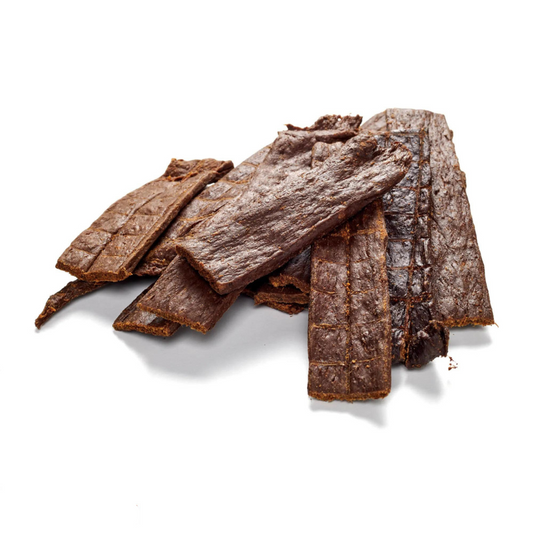
Chews from rare protein sources:


What makes a chew allergy-friendly?
A chew is allergy-friendly if it comes from just one animal species, contains no additives and is made from a protein source your dog has either tolerated well so far or never eaten before.
A food allergy is usually directed against certain proteins. Which ones those are differs from dog to dog. That is why there is no chew that suits every allergic dog. There are, however, characteristics that make choosing much easier. You can find the basics on causes and symptoms in the article Food allergies in dogs.
Single protein instead of a mix
An allergy-friendly chew comes from exactly one animal species. That way, you always know which protein your dog is eating. Dried pieces such as ears, tendons, skin or lung are ideal because they consist of a single ingredient. Why this matters so much is also explained in the guide single-protein treats for dogs.
No additives or fillers
The shorter the ingredient list, the better. For allergic dogs, chews without grain, sugar, flavourings, colourings and preservatives are the safest choice. Naturally dried chews usually consist only of the respective animal part.
Known tolerance
If you already know your dog's triggers, for example from an elimination diet supervised by your vet, choose chews made from a protein source that is considered safe for your dog. If the trigger is still unclear, discuss your choice with your vet so that new snacks do not interfere with the diagnosis.
Which types of meat rarely cause allergies?
Meats that rarely cause allergies are usually those your dog has hardly come into contact with so far – for example horse, ostrich, kangaroo or rabbit.
Allergies generally develop against proteins a dog has eaten frequently. That is why beef, chicken, dairy products or wheat are often named as triggers in practice – simply because they are found in so many foods. So a protein source is not "hypoallergenic" per se; it is only hypoallergenic for a dog that has not eaten it before.
Proven protein sources for allergic dogs
| Protein source | Typical chews | Special feature |
|---|---|---|
| Horse | Ears, skin, tendons, lung | wide choice, fairly lean |
| Ostrich | Tendons, stomachs, bones | poultry, but rarely fed |
| Kangaroo | Meat strips, tendons | very lean, not widely used |
| Rabbit | Ears, meat snacks | light, often well tolerated |
You will find a wide selection in the categories horse, ostrich, kangaroo and rabbit. You can read more about the lean Australian protein source in the article Kangaroo meat for dogs.
Watch out for related species
Some dogs react not only to one species but also to closely related ones. If your dog does not tolerate chicken, for example, you should test ostrich or duck carefully at first, as they are birds too. The same can apply to beef, buffalo and ox. So keep a close eye on your dog even with "new" types.
Long-lasting chews for allergic dogs:


Chews for allergic dogs: what to look for when buying
When buying chews for allergic dogs, look above all for a clear ingredient declaration, a single animal species, gentle drying and a size that suits your dog.
Shopping checklist
- One animal species: The packaging or description names exactly one protein source.
- Short ingredient list: Ideally just the animal part itself, without binders or flavourings.
- No mixed products: Sausages, soft treats or biscuits often contain several ingredients – check these especially carefully.
- Suitable shape: The piece should not be small enough to be swallowed whole.
- Mind the fat content: For sensitive digestion, lean chews are often easier on the stomach.
Choose chews by chewing type
For persistent chewers, rolled skin, scalp or long tendons from horse are a good fit. If you are looking for a quick, light snack, go for airy horse lung. For medium chewing times, ostrich tendons or horse sticks are popular choices. Our category hypoallergenic chews offers a sorted overview.
Reading labels correctly
Terms such as "hypoallergenic" or "sensitive" are helpful signposts, but they are no substitute for checking the ingredients. What matters is whether the named animal species suits your dog. If the list contains an ingredient your dog reacts to, the snack is unsuitable for them – no matter how it is advertised.
How to test whether your dog tolerates a chew
The best way to test whether your dog tolerates a chew is to introduce only one new type, start with a small piece and then observe your dog for several days.
Step by step
- Only one new item: Always introduce just one new chew and change nothing else in the diet.
- Start small: Give a small piece first.
- Observe: Watch for itching, reddened skin, ears, paw licking and stool for at least two to three days.
- Increase slowly: If everything stays normal, you can gradually increase the amount.
- Stop if there is a reaction: If symptoms appear, leave the chew out and talk to your vet.

Why patience matters
Allergic reactions do not always show up immediately. Some symptoms such as itching or ear problems only develop over a longer period. So keep a short snack diary: date, chew, amount and anything unusual. This helps you spot connections more quickly. Our article Elimination diet for dogs with allergies explains how a vet-supervised elimination diet works.
Using chews safely every day if your dog has allergies
To use chews safely every day if your dog has allergies, stick to proven types, include the snacks in the daily ration and make sure training treats come from the same protein source.
Stick to proven types
Once you have found one or two protein sources your dog tolerates, variety within these types makes more sense than constantly trying new species. Different shapes such as ears, tendons, skin or cubes add variety without introducing new proteins.
Keep an eye on the amount
As a rule of thumb, all snacks together should make up no more than about 10 per cent of the daily energy requirement. Deduct the calories from the chews from the food ration so that your dog does not gain weight.
Check training treats too
Many allergic dogs do not react to the chew but to the treat used in training. So choose rewards from the same protein source your dog tolerates – such as small training snacks made from horse or ostrich.
Safety while chewing
- Supervision: Do not leave your dog alone while chewing.
- Remove leftovers: Take away small end pieces in good time.
- Provide water: Dried chews make dogs thirsty.
- Store airtight: This keeps the chews fresh.
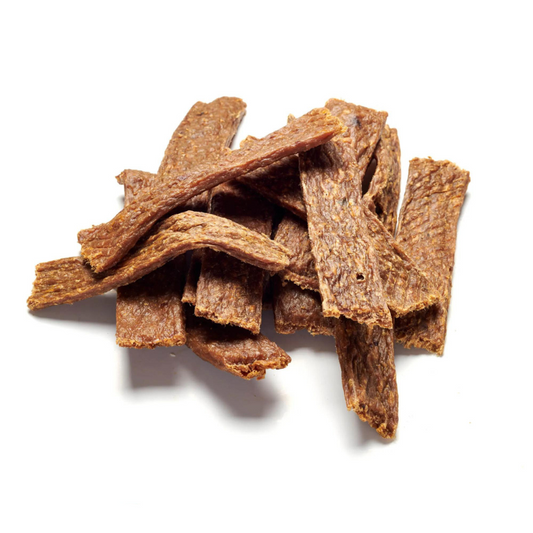
Training snacks from a single protein source:


Frequently asked questions about chews for allergic dogs
Which chews are suitable for allergic dogs?
Natural single-protein chews from an animal species your dog tolerates or has never eaten are suitable for allergic dogs. Popular choices are horse, ostrich, kangaroo or rabbit. A short ingredient list without additives is important.
Which types of meat rarely cause allergies?
Meats your dog has hardly eaten so far, such as horse, ostrich or kangaroo, are less likely to cause problems. Beef and chicken are named as triggers more often because they are found in so many foods.
How do I test whether my dog tolerates a chew?
Introduce only one new chew, start with a small piece and observe your dog for at least two to three days. If skin, ears and digestion stay normal, you can slowly increase the amount.
Are hypoallergenic chews suitable for every allergic dog?
No. "Hypoallergenic" only means that a chew is less likely to cause allergies. What matters is whether your dog reacts to that particular protein source. So always check the animal species.
Can a dog have chews during an elimination diet?
Only after consulting your vet. During an elimination diet, snacks should come from the same protein source as the diet food; otherwise, the results cannot be evaluated reliably.
Conclusion: choosing chews for dogs with allergies carefully
The best way to choose chews for dogs with allergies is by three criteria: a single animal species, no additives and a protein source your dog tolerates. Rare types such as horse, ostrich or kangaroo are often a good basis for this. Test each new type individually and in small amounts, stick with proven snacks and ask your vet for advice if symptoms are unclear. That way, chewing remains a relaxed pleasure even for allergic dogs.
Further reading on this topic:
- Sensitiv-Box: the ideal selection for allergic dogs
- Horse meat for dogs
- Single protein snacks: treats with just one type of meat
This post was created with the help of AI