
Ear infections and diet in dogs: is there a link?
Ear infections and diet can be linked in dogs: in some dogs, recurring ear problems are caused by a food allergy that shows up on the ears, among other places. Even so, an acute ear infection always belongs in the hands of your vet first – diet is one building block, not a substitute for treatment. In this article you will learn when food can play a role, how an elimination diet works and which snacks fit in.
Content: Ear infections and diet in dogs: is there a link?
- Can food cause an ear infection in dogs?
- How can you tell that diet might be involved?
- Elimination diet for ear infections: how it works
- Which snacks are suitable for ear problems?
- Diet and care: what else you can do
- Frequently asked questions about ear infections and diet
- Conclusion: look at ear infections and diet together
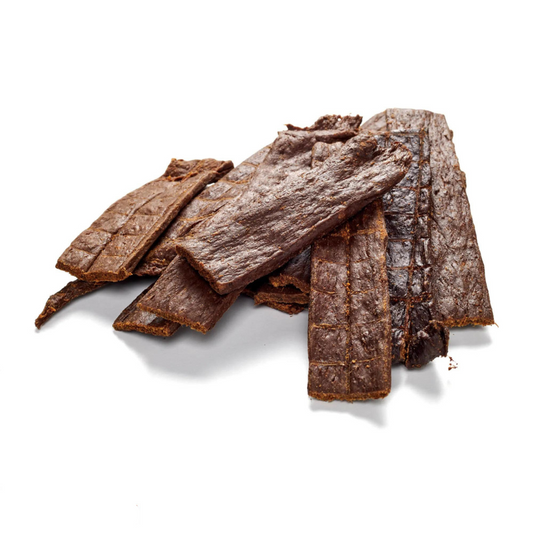
Chews from a single protein source for sensitive dogs:


Can food cause an ear infection in dogs?
Food cannot directly cause an ear infection in dogs, but a food allergy can irritate the skin in the ear canal and pave the way for inflammation. The infection itself is then usually caused by bacteria or yeast that multiply in the irritated, warm and moist environment.
How are allergy and ears connected?
A dog's ear canal is lined with skin. If the immune system overreacts to certain proteins in food, this can show on the skin – often on the paws, belly, armpits and the ears. The skin turns red, itches and produces more ear wax. When your dog scratches, small injuries develop in which germs settle easily. You can read more about the typical signs in our article Food allergies in dogs.
Other common causes
Not every ear infection is related to food. Other common triggers include:
- Environmental allergies to pollen, house dust mites or mould spores
- Ear mites, especially in young dogs or after contact with other animals
- Foreign bodies such as grass awns after walks through meadows
- Moisture after swimming or bathing
- Ear shape and hair: floppy ears and very hairy ear canals are less well ventilated
That is why the rule is: first your vet clarifies the cause, then you decide together whether a change of diet makes sense.
How can you tell that diet might be involved?
A diet-related cause is suggested above all when the ear infection keeps coming back, both ears are affected and other skin symptoms appear as well. A reliable diagnosis, however, is only possible with an elimination diet supervised by your vet.
Typical warning signs
- Recurring infections of both ears that return soon after treatment
- Itching elsewhere such as on the paws, belly, armpits or around the eyes
- Frequent paw licking and reddened skin between the toes
- Symptoms all year round, not just during pollen season
- Digestive problems such as soft stools or frequent bowel movements
A dog that scratches conspicuously often is usually showing more than just an ear problem. You will find background information in the article Why is my dog scratching?.
When to see the vet straight away
If your dog constantly shakes or tilts its head, the ear smells unpleasant, there is discharge or your dog is sensitive to touch, a prompt visit to the vet is important. An untreated ear infection can spread to the middle ear. Only use ear cleaners or home remedies after consulting your vet, as they can do harm if the eardrum is damaged.
Elimination diet for ear infections: how it works
On an elimination diet, your dog gets only one protein source and one carbohydrate source it has never eaten before for several weeks – if the ears and skin improve, you then test step by step what it reacts to. This method is considered the most reliable way to identify a food allergy.
The steps at a glance
- Involve your vet: they rule out other causes and treat the acute infection.
- Choose a new protein source: for example horse, rabbit, ostrich or insects – depending on what your dog has never eaten.
- Stay consistent: about eight weeks are usually recommended. During this time there is nothing else – not even chews made from other types of meat.
- Observe and take notes: document ears, itching, skin and stools regularly.
- Challenge phase: once there is an improvement, former food ingredients are reintroduced one at a time.
Our guide Elimination diet for dogs with allergies explains in detail how to carry out such a diet.
Snacks during the elimination diet
The most common mistake is an unplanned treat in between. If you want to reward your dog, use snacks made from exactly the protein source of the diet. If you feed your dog horse, for example, pure horse snacks such as horse sticks or horse scalp as a chew are suitable – provided the composition contains no other ingredients. So always check the information in the product description and agree on the snacks with your vet.
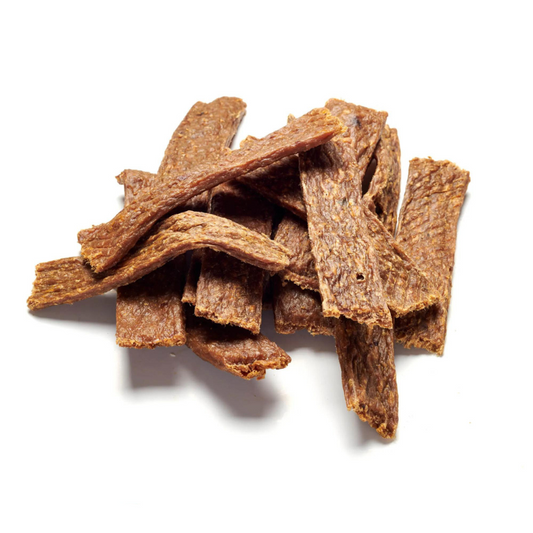
Chewing fun from a single animal species while you change the diet:


Which snacks are suitable for ear problems?
For ear problems with a suspected food allergy, single-protein snacks from a protein source your dog tolerates well are the best choice – without additives, grain or mixed meat.
What to look out for
- Only one animal species: snacks made from a single type of meat make it easy to attribute reactions.
- Short ingredients list: the fewer ingredients, the easier it is to judge tolerance.
- Rare protein sources: horse, camel, ostrich, goat or rabbit appear less often in many standard foods.
- No additives: naturally dried chews usually contain no flavourings or colourings.
You will find a wide selection in our category hypoallergenic chews. Snacks made from horse and lamb are particularly popular with sensitive dogs. Our article Single-protein snacks for dogs explains why snacks with just one type of meat are so practical.
Types of snacks compared
| Type of snack | Advantage if an allergy is suspected | Note |
|---|---|---|
| Dried lung | light, easy to portion | ideal as a small reward |
| Scalp and skin | long-lasting, one animal species | let your dog chew under supervision |
| Freeze-dried meat | pure muscle meat | can also be crumbled over food |
| Tendons and trachea | firm but easy to digest | choose a size that suits your dog |
Diet and care: what else you can do
Alongside a suitable diet, gentle ear care and a watchful eye help you spot ear problems early and reduce relapses.
Check the ears regularly
Look at your dog's ears once a week. Healthy ears are light pink, barely dirty and do not smell unpleasant. After swimming or bathing, you can gently pat the outer ear dry. Do not put anything into the ear canal – no cotton buds.
Support skin health from within
A balanced diet with high-quality protein and enough essential fatty acids is a good basis for healthy skin. Whether a supplement, for example with omega-3 fatty acids from fish oil, makes sense for your dog is best discussed with your vet – especially during an elimination diet, as oils can also contain a protein source.
Keep a snack diary
Note down which snacks your dog gets and when symptoms appear. This way you will spot patterns faster, and your vet gets valuable clues for further treatment.
Firm chews from rare protein sources:


Frequently asked questions about ear infections and diet
Can food cause ear infections in dogs?
Food itself does not cause an infection, but a food allergy can irritate the skin in the ear canal so that bacteria and yeast multiply more easily. Recurring infections of both ears are typical, often together with itching on the paws or belly. Your vet will clarify the cause.
Which snacks are suitable for ear problems?
Single-protein snacks from a protein source your dog tolerates are suitable – for example pure horse, lamb or camel snacks without additives. During an elimination diet, snacks may only come from the protein source of the diet.
When does an elimination diet make sense?
An elimination diet makes sense when ear infections keep coming back and your vet has ruled out other causes such as mites, foreign bodies or environmental allergies as the sole cause. It usually takes about eight weeks and requires a lot of consistency.
How quickly do the ears improve after a change of diet?
That varies from dog to dog. Skin and ears need time to recover, which is why elimination diets run for several weeks. An acute infection must be treated by the vet at the same time, otherwise the effect of the diet can hardly be assessed.
Do grain-free treats help against ear infections?
Not automatically. In dogs with a food allergy, animal proteins are more often the trigger than grain. What matters is which ingredients your dog reacts to – and that can only be found out with an elimination diet.
Conclusion: look at ear infections and diet together
Ear infections and diet can be connected in dogs – especially when a food allergy irritates the skin in the ear canal. With recurring ear problems, it is therefore worth taking a closer look at the food together with your vet. A consistent elimination diet, suitable single-protein snacks and regular ear checks help you keep an eye on your dog's ears in the long term. If you are looking for snacks that fit a diet with just one protein source, you will find many natural chews from a single animal species in our category meat snacks.
Further reading on this topic:
- Allergy in dogs – things you should consider
- Chews for dogs with allergies: how to find the right ones
- Dog with a food intolerance: snacks in everyday life
This post was created with the help of AI