
Dog with a food intolerance: snacks in everyday life
If your dog has a food intolerance, you can still reward it in everyday life – most safely with snacks from a single, well-tolerated protein source and with the shortest possible ingredients list. The key is to first find out together with your vet what your dog does not tolerate, and then to choose treats just as consistently as the main food. In this article you will learn how intolerance differs from allergy and how to build snacks safely into everyday life.
Content: Dog with a food intolerance: snacks in everyday life
- What is a food intolerance in dogs?
- What is the difference between allergy and intolerance?
- Which snacks are safe with a food intolerance?
- How do I reward a dog with a food intolerance?
- Introducing new snacks safely: step by step
- Frequently asked questions about food intolerance and snacks
- Conclusion: relaxed rewarding despite a food intolerance
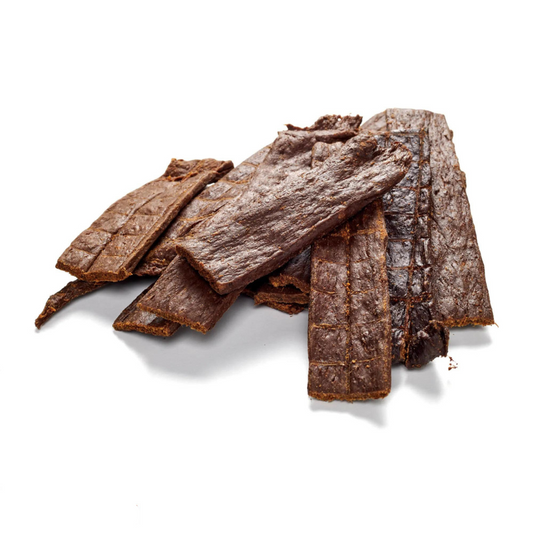
Snacks from a single animal species for sensitive dogs:


What is a food intolerance in dogs?
A food intolerance in dogs is a reaction to certain food components in which – unlike an allergy – the immune system is not at the centre. Digestive problems such as soft stools, diarrhoea, flatulence or vomiting are typical.
Possible triggers
- Certain protein sources that your dog digests poorly
- Milk sugar (lactose), which many adult dogs can only process to a limited extent
- Very fatty snacks that put a strain on the gastrointestinal tract
- Additives such as certain preservatives or flavourings in sensitive dogs
- Sudden changes of food to which the gut reacts with symptoms
Typical signs
Symptoms often appear shortly after eating: your dog has a rumbling tummy, eats grass, passes stools more often or softer, or has strong flatulence. If the symptoms persist, or if there is blood in the stool, fever or lethargy, your dog needs to see the vet.
What is the difference between allergy and intolerance?
The most important difference: with a food allergy, the immune system reacts to certain proteins, whereas with an intolerance it does not. Allergies therefore often show on the skin with itching, intolerances mainly in the digestive tract.

Why the distinction matters
With an allergy, even the tiniest amounts of the trigger can cause symptoms – a single wrong treat can ruin an elimination diet. With an intolerance, the reaction often depends more on the amount. In both cases, however, the exact cause can only be found together with your vet, usually through an elimination diet. You will find detailed information on allergies in our article Food allergies in dogs and on the procedure in the guide Elimination diet for dogs.
Which snacks are safe with a food intolerance?
With a food intolerance, the safest snacks are those from a protein source your dog has been shown to tolerate, with as few ingredients as possible and without unnecessary additives. "Safe" is always individual – what matters is what your dog tolerates.
The most important selection criteria
- Single protein: only one animal species per snack – so you can clearly attribute reactions.
- Short ingredients list: ideally snacks made from just one raw material.
- Known tolerance: stick to protein sources your dog already tolerates well.
- Moderate fat content: lean snacks are easier on the gut than very fatty ones.
- Consistent quality: do not keep switching brands or types.
Popular protein sources for sensitive dogs
Many owners of sensitive dogs choose protein sources that are less common in classic foods. Horse is chosen particularly often – our article Horse treats for food allergies gives an overview. Lamb, camel, ostrich or insect protein are also options. Soft training bites such as Softies horse do not consist of meat alone, so it is worth taking a particularly close look at the composition here. You will find many more ideas in our category hypoallergenic chews.
Horse chews for long-lasting chewing:


Reading the ingredients list correctly
A look at the composition reveals a lot. If it lists just one ingredient, such as "100% horse", you know exactly what your dog is getting. Soft snacks, sausages or baked treats, on the other hand, often contain further components, for example potato, grain, cheese, oils or binders. That is not bad in principle, but it makes it harder to find the cause of symptoms. If the information is unclear, it is worth asking the retailer. Comparing different product descriptions within a category also helps you understand labels better overall.
How do I reward a dog with a food intolerance?
The best way to reward a dog with a food intolerance is with very small pieces of a well-tolerated single-protein snack, part of its usual food or with rewards that have nothing to do with food at all.
Ideas for everyday life
- Food as a reward: set aside part of the daily ration in the morning and use it on walks or during training.
- One "safe" snack: settle on one or two snacks that your dog has been shown to tolerate, and stick with them.
- Small pieces: break snacks into pea-sized bites – that is gentle on the gut and enough for motivation.
- Choose chews carefully: firm chews from one animal species, for example horse trachea, provide occupation without a mix of ingredients.
- Non-food rewards: play, praise, sniffing tasks or tug games are just as valuable.
Let family and visitors know
The biggest risk is well-meant extras from others. Agree with family, neighbours and dog friends that your dog only gets its own snacks. A small tin of "permitted" treats by the front door can help.
Introducing new snacks safely: step by step
The safest way to introduce new snacks is one at a time, in small amounts and over several days – that way you will notice in good time whether your dog tolerates them.
How to proceed
- Test only one new snack at a time.
- Start with a small piece and slowly increase the amount over a few days.
- Watch stools, digestion and behaviour and note anything unusual.
- Stop immediately if there are symptoms and go back to the snack that was tolerated so far.
- If allergies are known, ask your vet first – especially during an elimination diet.
A food diary in which you record food, snacks and symptoms is helpful. Our article Food diary for dogs shows how it works.
If symptoms still occur
If your dog reacts with diarrhoea, vomiting or itching despite careful selection, stop the most recently introduced snack and give only the proven food for a few days. If the symptoms do not improve or are severe, it is time for the vet. Bring your food diary and the packaging or product name of the snack – this helps narrow down possible triggers more quickly.
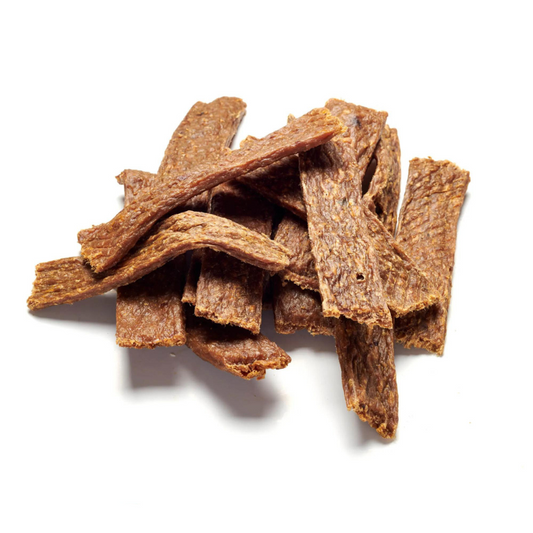
More well-tolerated snacks from a single animal species:


Frequently asked questions about food intolerance and snacks
What is the difference between allergy and intolerance?
With a food allergy, the immune system reacts to certain proteins, often with itching and skin problems. An intolerance, on the other hand, mostly affects digestion and often depends on the amount. The exact cause is best clarified with your vet.
Which snacks are safe in everyday life?
The safest are single-protein snacks from a protein source your dog has been shown to tolerate, with a short ingredients list and moderate fat content. What is "safe" always depends on the individual dog.
How do I reward a dog with an intolerance?
Use small pieces of a tolerated snack, part of its normal food or rewards such as play and praise. Settle on a few proven snacks and let everyone who deals with your dog know.
Is horse meat always tolerated with an intolerance?
No. Horse is tolerated well by many sensitive dogs because it is less common in many foods. But there is no guarantee – a dog can react to horse too. So always test new protein sources carefully.
How long does it take for symptoms to improve?
That varies greatly. Digestive symptoms often improve within days of removing the trigger, while skin problems usually take much longer. If symptoms persist, your vet should investigate other causes.
Conclusion: relaxed rewarding despite a food intolerance
A food intolerance in dogs does not mean you have to do without treats. With snacks from a well-tolerated protein source, short ingredients lists, small portions and a careful approach to new types, you can continue to reward your dog safely. Clarify the cause of the symptoms together with your vet and stick consistently to the snacks your dog tolerates. You will find natural chews from a single animal species, for example, in our category lamb.
Further reading on this topic:
- Single-protein snacks: treats with just one type of meat
- Insect protein: the sustainable alternative for allergies
- Ear infections and diet in dogs: is there a link?
This post was created with the help of AI