
Christmas Tree and Decorations: Dangers for Dogs and Cats
A Christmas tree with a dog or cat is generally not a problem – the main dangers are tinsel, glass baubles, candles, cables, the tree water and edible decorations such as chocolate. If you set up the tree securely, skip risky ornaments and give your pet something it is allowed to chew, the festive season stays relaxed for everyone. In this post you will learn which dangers lurk around the Christmas tree, which decorations are best left out and what to do in an emergency.
Content: Christmas Tree and Decorations: Dangers for Dogs and Cats
- Is the Christmas tree dangerous for dogs?
- Why is tinsel dangerous for cats?
- Which Christmas decorations are dangerous for dogs and cats?
- How do I secure the Christmas tree with a dog and cat?
- What should I do if my pet has eaten decorations?
- Frequently asked questions about the Christmas tree with dogs and cats
- Conclusion: enjoy the Christmas tree safely with your dog and cat
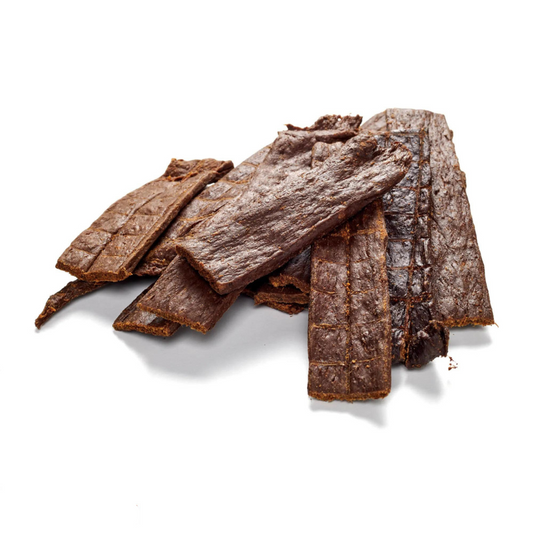
Chews they are allowed to enjoy instead of ornaments:


Is the Christmas tree dangerous for dogs?
The Christmas tree itself is usually only a minor danger for dogs, but needles, resin, tree water and a toppling tree can cause injuries or stomach upsets.
Needles and resin
Fir, spruce and pine needles are sharp and can irritate the mouth, throat and paws. If larger amounts are eaten, vomiting, diarrhoea or tummy ache are possible. The essential oils and resin of conifers can also irritate mucous membranes. Sweep up fallen needles regularly, especially if your dog likes to pick up everything it finds on the floor.
The tree water
The water in the tree stand collects resin, dirt and often additives from preservatives or fertiliser. If your dog or cat drinks it, it can upset the stomach and gut. Cover the stand, for example with a suitable lid or a tightly fitting cloth, and do not add anything to the water.
Toppling and injuries
A young, playful dog wagging its tail or a cat climbing into the branches can bring down a poorly secured tree. Falling baubles, fairy lights and the tree itself can cause injuries.
- Sturdy stand: Choose a heavy, wide stand that matches the trunk diameter.
- Extra fixing: Secure the tree with a thin cord to the wall, window frame or ceiling.
- Smaller tree: In homes with very young or boisterous pets, a smaller tree on a stable table is an alternative.
Why is tinsel dangerous for cats?
Tinsel is dangerous for cats because they love to swallow the glittering strands, which can form a so-called linear foreign body in the intestine that bunches up the gut and can become life-threatening.
What happens inside the body
A long strand can get caught under the tongue or in the stomach while the rest moves on into the intestine. The intestine then gathers around the strand like an accordion. This can injure the intestinal wall and often requires surgery. The same applies to gift ribbon, string, angel hair and wool.
Warning signs
- repeated vomiting or retching
- loss of appetite and lethargy
- a strand hanging from the mouth or bottom
- a sensitive, tense belly
Important: Never pull out a strand that is hanging out yourself – you could injure the intestine. Go to the vet immediately. Dogs, especially puppies, can eat tinsel too. In homes with pets, the safest option is to do without it altogether.
Which Christmas decorations are dangerous for dogs and cats?
Dangerous Christmas decorations are mainly things that are breakable, swallowable, flammable or edible – glass baubles, small ornaments, candles, cables, salt dough figures, chocolate and some typical Christmas plants.
| Decoration | Possible danger | Better choice |
|---|---|---|
| Glass baubles | Shards injure paws and mouth | shatterproof baubles made of wood, fabric or plastic |
| Tinsel, gift ribbon, angel hair | Foreign body in the intestine | leave out or tidy away immediately |
| Fairy lights and cables | Electric shock, burns when chewed | cable ducts, switches out of reach |
| Real candles | Burns, fire hazard | LED candles, never unattended |
| Salt dough ornaments | Salt poisoning if eaten | only out of reach or not at all |
| Chocolate decorations | Theobromine is toxic | do not hang sweets on the tree |
| Small figures, hooks | Swallowing, intestinal blockage | hang high, use secure hooks |
Christmas plants to watch out for
Some popular plants of the season are also problematic for dogs and cats. Poinsettia has an irritating milky sap that can cause vomiting and drooling. Mistletoe, Christmas rose, amaryllis and holly are considered toxic. Lilies are particularly dangerous for cats – they are often found in bouquets and can damage the kidneys even in small amounts. Keep such plants out of reach or do without them. You can read more about toxic foods during the festive season in our post Christmas baking: which ingredients are dangerous for dogs.
How do I secure the Christmas tree with a dog and cat?
The best way to secure the Christmas tree with a dog and cat is to fix it firmly, leave the lower branches bare or decorate them only with shatterproof ornaments, and leave out dangerous decorations completely.
Step by step to a pet-friendly Christmas tree
- Choose the spot: Place the tree in a corner, in a room you can close, or behind a safety gate.
- Fix the tree: A heavy stand plus a cord to the wall prevent it from toppling over.
- Leave it undecorated for a few days: This lets your pet get used to the new object without baubles tempting it straight away.
- Keep the bottom clear: The lower third stays bare or only gets wooden and fabric ornaments.
- Secure cables: Attach fairy lights firmly to the tree, run cables through ducts and switch them off at night.
- Cover the stand: Your pet should not be able to reach the tree water.
- Presents come later: Only put parcels containing food or ribbons under the tree shortly before giving them.
Keeping cats away from the tree
Many cats see the tree as a new climbing frame. Offer them their own cat tree nearby instead and reward them for using it. Scents such as citrus can put cats off, but should not be applied directly to the cat or used in high concentrations. A room that is closed at night is often the simplest solution.
Small rewards for cats that leave the tree alone:


Allowed activities instead of Christmas baubles
The best prevention is an allowed alternative: pets that can chew, nibble and play are much less interested in branches and ornaments.
Chews for dogs
During the busy festive season, regularly give your dog something it is allowed to chew, for example horsehide bones or a bovine Achilles tendon. Dedicated chewers love deer antlers. You will find a large selection in our chewing fun category and among our chew bones. Chewing also has a calming effect when visitors arrive or everyday routines are turned upside down.
Snacks for cats
Cats, too, can easily be distracted with small treats. Small pieces such as salmon thalers mini are ideal for search and food games away from the tree. You will find suitable snacks in our category snacks for cats.
Calm and routines
The festive season brings guests, smells and new noises. Fixed walking and feeding times, a quiet retreat and shared playtime help your pet stay relaxed. You will find more ideas in our post Have a relaxed Christmas with your dog.
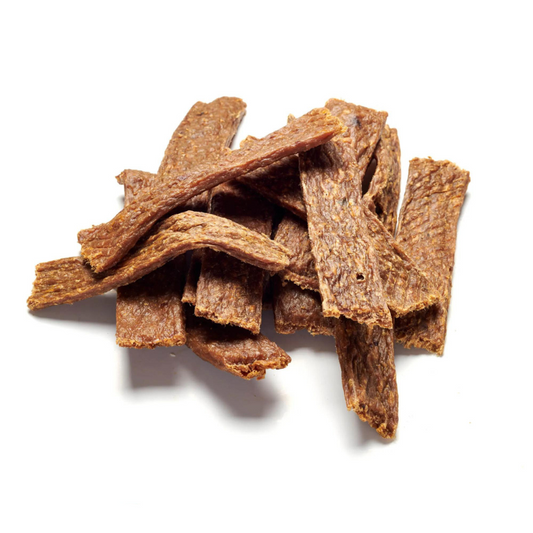
Long-lasting chews for quiet winter evenings:


What should I do if my pet has eaten decorations?
If your dog or cat has eaten decorations, tinsel, a plant or chocolate, call your vet or an emergency veterinary practice immediately and describe exactly what and how much was eaten.
What to do
- Stay calm and move your pet away from the source of danger.
- Keep the remains: Keep packaging, plant parts or shards – this helps with the assessment.
- Do not induce vomiting yourself: Home remedies such as salt water are dangerous. Whether vomiting makes sense is for the vet to decide.
- Do not pull on strands: Never pull out strands hanging from the mouth or bottom.
- Note the time: When was something eaten? This is important for treatment.
Warning signs such as vomiting, diarrhoea, trembling, heavy drooling, restlessness or difficulty breathing are always a reason to see the vet immediately. You will find detailed information in our guide Poisoning in dogs.
Frequently asked questions about the Christmas tree with dogs and cats
Is the Christmas tree dangerous for dogs?
The tree itself is usually only a minor problem. Needles and resin can irritate the mouth and stomach, and the tree water should not be drunk. The bigger risks come from decorations, cables, candles and a toppling tree.
Why is tinsel dangerous for cats?
Swallowed strands of tinsel can form a linear foreign body in the intestine that bunches up and injures the gut. This is an emergency that often requires surgery. In homes with cats, it is best to do without tinsel and gift ribbon altogether.
How do I secure the Christmas decorations?
Fix the tree to the wall as well, keep the lower third clear and use shatterproof ornaments made of wood or fabric. Cables belong in cable ducts, and candles are best replaced with LED lights.
Is an artificial Christmas tree better for pets?
An artificial tree has no tree water and does not shed real needles. However, plastic parts can be chewed and swallowed. The same rules for stability and decorations apply here too.
Is poinsettia toxic to cats and dogs?
The milky sap of the poinsettia irritates the mouth and stomach and can cause drooling and vomiting. Serious poisoning is rare, but the plant still belongs out of reach. If your pet shows symptoms, contact your vet.
Conclusion: enjoy the Christmas tree safely with your dog and cat
A Christmas tree with a dog and cat can be combined perfectly well if you follow a few rules: fix the tree, cover the stand, do without tinsel, glass baubles, salt dough and chocolate decorations, secure cables and keep toxic plants out of reach. Chews and small snacks that your pet is allowed to have distract it from the tree and keep things calm during the festive season. If your pet has still eaten something dangerous, a quick call to the vet is the most important step. You will find natural chews for relaxed holidays in our antlers category and throughout our range for dogs and cats.
Further reading on this topic:
- Have a relaxed Christmas with your dog
- Christmas market with your dog: tips for a relaxed visit
- Christmas baking: which ingredients are dangerous for dogs
This post was created with the help of AI