
Chews after neutering: what to keep in mind
Chews after neutering are generally fine once your dog has recovered from the anaesthetic and your vet has given the go-ahead for normal feeding. In the first few days, small, easily digestible portions and calm chewing are what matter – in the long run, keep a close eye on calories, because many dogs need less energy after neutering. In this guide, you’ll learn what to look out for right after surgery and in everyday life afterwards.
Content: Chews after neutering: what to keep in mind
- Can my dog chew after neutering?
- Chews after neutering: the first few days
- Weight after neutering: why energy needs drop
- Choosing the right chews after neutering
- Treats for neutered dogs in everyday life
- Frequently asked questions about chews after neutering
- Conclusion: back to chewing fun – calmly and in moderation
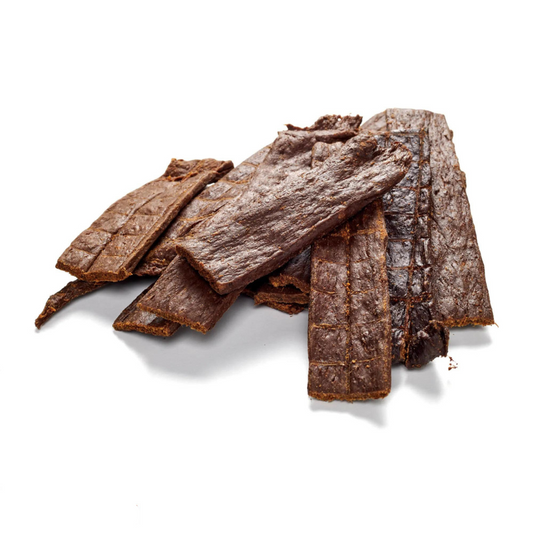
Light, lean treats for the time after surgery:


Can my dog chew after neutering?
Yes, your dog can chew after neutering – but only once they are fully awake from the anaesthetic, can swallow safely again and your vet has approved feeding. Neutering is a procedure on the abdomen or genital area, not in the mouth. Chewing itself is therefore not a problem; what matters is the timing, the amount and the type of chew.
Why chewing can help during recovery
After surgery, your dog needs to take it easy: no rough play, no jumping, short walks on the lead. For many dogs, that’s a real test of patience. Calm chewing is an activity that keeps your dog lying down while still keeping them busy. Many dogs seem more relaxed afterwards – you can read more about this in our article Chewing against stress.
When it’s better to wait
- Right after the anaesthetic: As long as your dog is still drowsy, there is a risk of choking. Only give food or treats once your vet says it’s OK.
- With nausea or vomiting: Wait until your dog tolerates small meals well again.
- With a cone: A cone can make chewing and holding a chew difficult. Only take it off briefly under supervision if your vet considers this acceptable, and make sure your dog doesn’t go for the wound during that time.
- If the stitches look unusual: Redness, swelling, oozing or heavy licking are a matter for your vet – chews are secondary at that point.
General information about the procedure itself, its pros and cons and the difference between castration and sterilisation can be found in our guide Castration and sterilisation in dogs.
Chews after neutering: the first few days
In the first few days after neutering, chews are only suitable in small amounts, easily digestible and under supervision – large, hard or fatty chews are best saved until the wound has healed well.
Step by step back to chewing
- Day of surgery: Follow your vet’s instructions on water and food exactly. Usually there is a small, light meal in the evening at the earliest – treats aren’t needed on this day.
- The first two to three days: If your dog is eating normally and digestion is fine, you can start with a few small, lean treats, such as lamb lung cubes mini.
- Until the final check-up: Soft to medium-firm chews of a moderate size are now a good activity for quiet hours. Stay close while your dog is chewing.
- After the all-clear: Once the wound has healed – the check-up or stitch removal often takes place after about 10 to 14 days – your dog can usually have their familiar chews again.
Why calm chewing matters
Very large chews that your dog wrestles with, tugs at or jumps around with are not ideal during recovery. Pulling and jerking put strain on the abdominal muscles – especially in female dogs, where the procedure takes place inside the abdomen. So it’s best to give chews on the blanket or in the dog bed when your dog is resting anyway.

No licking – not even after a treat
Crumbs or saliva can tempt your dog to groom themselves. Licking the stitches can interfere with wound healing. Use the lick protection your vet recommends – for example a cone or a recovery suit – and check the wound daily.
Weight after neutering: why energy needs drop
After neutering, many dogs need less energy while their appetite stays the same or even increases – which is why neutered dogs often gain weight if food and treats aren’t adjusted.
What changes in the body
Removing the reproductive organs changes the hormone balance. Many dogs become a little calmer, use less energy and beg more at the same time. On top of that comes the recovery period after surgery, during which your dog hardly moves. If you keep feeding and rewarding as usual during this phase, the extra calories quickly end up on the ribs.
How to prevent weight gain
- Check the amount of food: Discuss with your vet whether and how much you should reduce the portion after neutering. A slightly smaller portion often makes sense.
- Count treats in: Treats and chews together should provide no more than about 10 percent of daily energy. Our article How many treats per day? explains how to calculate this.
- Weigh regularly: Check your dog’s weight roughly every two to four weeks during the first months after neutering.
- Feel the body shape: You should be able to feel the ribs easily with light pressure. The rib test shows you how.
- Increase exercise: Once your vet gives the all-clear, walks, sniffing games and training help to increase energy use again.
Choosing the right chews after neutering
The best chews after neutering are lean, natural, easily digestible and the right size for your dog – fatty chews should only be planned in rarely and deliberately.
What to look for when choosing
| Criterion | Recommendation | Why |
|---|---|---|
| Fat content | rather low | fat is the biggest source of calories |
| Hardness | soft to medium-firm during recovery | calm chewing without tugging and wrestling |
| Size | suited to your dog, not too small | reduces the risk of swallowing large pieces |
| Ingredients | one type of meat, no additives | easier to monitor tolerance |
Well-suited chews
- Lung and tripe: Airy and light, ideal for lots of small rewards. You’ll find a selection in our offal range.
- Ears without much fat: Lamb ears are softer than large cow ears and suit a calm chewing break.
- Rolled skin: Chews such as rolled goat skin keep your dog busy for longer but aren’t as hard as bones or antlers.
- Freeze-dried treats: Light and full of flavour, for example freeze-dried chicken breast. You’ll find more varieties under freeze-dried.
Our low-fat chews category offers a wide overview of lean varieties.
What you should rather avoid
- Very fatty treats such as pig ears or marrow bones – only occasionally and deliberately counted in.
- Very hard chews such as antlers or large hooves during recovery if your dog tends to work on them wildly.
- Cooked bones – they can splinter and are never suitable.
- New, unfamiliar varieties straight after surgery. Better to try new things once digestion is stable again.
Chews for calm chewing breaks during recovery:


Treats for neutered dogs in everyday life
Neutered dogs don’t have to go without treats – the key is to choose small, low-calorie treats and to plan them firmly into the daily ration.
Small rewards, lots of praise
For your dog, what matters most is that they are rewarded, not how big the reward is. Pea-sized pieces are perfectly enough for training. Small mini meat cubes or special training snacks that are easy to portion are practical.
Practical tips against begging
- Daily tub: Each morning, put the treats for the whole day into a small tub. Once it’s empty, there’s nothing more.
- Food as a reward: Use part of the normal food ration for simple exercises.
- Activity instead of food: Sniffing games, calm chewing and time together help against boredom.
- Involve the family: Clear agreements stop everyone from slipping the dog “just a little something”.
A carefully chosen chew from our chewing fun category can replace part of the other treats.
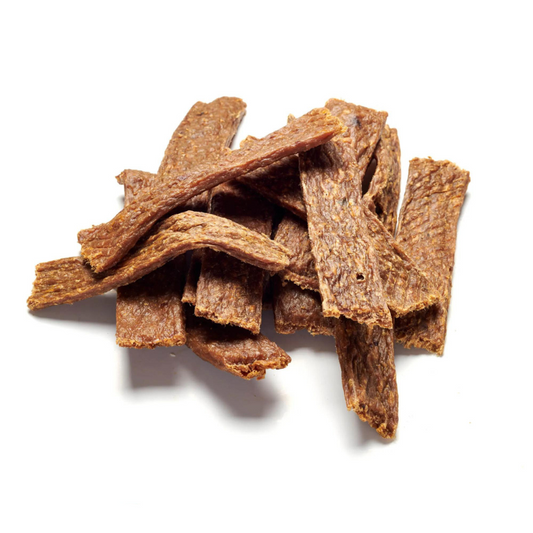
Small, lean rewards for every day:


Frequently asked questions about chews after neutering
Does a neutered dog need fewer treats?
Often yes, because many dogs need less energy after neutering. As treats should make up no more than about 10 percent of daily energy, the treat budget shrinks along with the energy requirement. Small, lean treats help you to keep rewarding generously.
Can my dog chew after surgery?
Yes, as soon as they are fully awake from the anaesthetic, eating normally again and your vet has approved feeding. In the first few days, small, soft to medium-firm chews under supervision are the best choice. Large, hard chews should wait until the final check-up.
How do I prevent weight gain after neutering?
Check the amount of food together with your vet, count all treats into the daily ration and weigh your dog regularly. Lean chews and more exercise after the recovery period will support you.
When can my dog have hard chews again?
Usually once the wound has healed and your vet has given the green light at the check-up – often after about 10 to 14 days. Until then, calm chewing breaks with softer chews are the better choice.
Does chewing help against boredom during recovery?
Yes, calm chewing is a good activity while rough play and long walks are still off limits. Make sure your dog is lying down and not licking the stitches.
Conclusion: back to chewing fun – calmly and in moderation
Chews after neutering are not off limits: as soon as your vet approves feeding, calm chewing can help your dog through the recovery period. In the first few days, small, lean and easily digestible treats under supervision are the best choice, while hard and large chews follow after the final check-up. In the long term, weight is the most important issue – because energy needs often drop, you should adjust food and treats and weigh your dog regularly. If you have questions about wound healing or the amount of food, or notice anything unusual, your vet is the right person to ask.
Further reading on this topic:
- Low-Fat Dog Chews for Overweight Dogs & Pancreatitis
- Obesity and weight management in dogs
- Leaving your dog alone with chews? Safety rules
This post was created with the help of AI