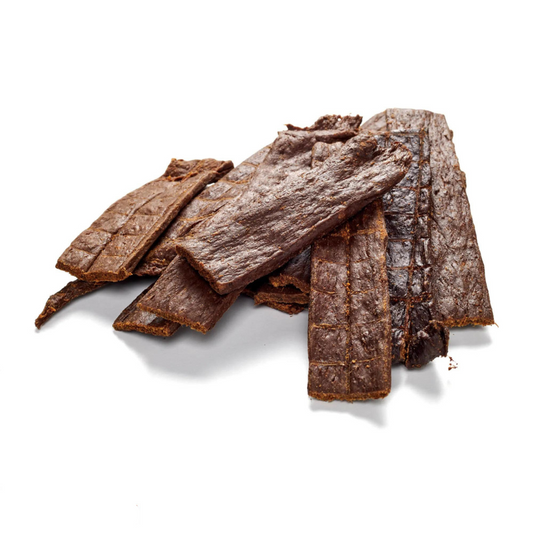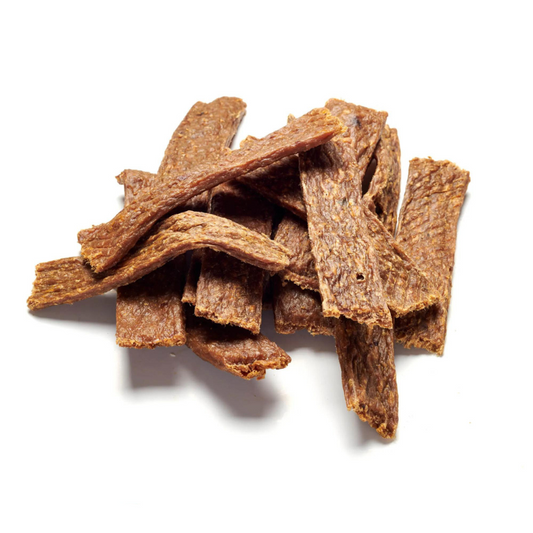

Chew sticks compared: beef, horse, salmon
Chew sticks for dogs are long, dried chews that keep your dog busy for a long time and satisfy its natural urge to chew. Which chew stick is best depends mainly on chewing type, size and tolerance: beef lasts long and has a strong flavour, horse is a good choice for sensitive dogs and salmon adds a fishy aroma. Here we compare the three varieties and show you what matters.
Content: Chew sticks compared: beef, horse, salmon
- What are chew sticks for dogs?
- Beef chew sticks: long-lasting and aromatic
- Horse chew sticks: ideal for sensitive dogs
- Salmon chew stick: fishy aroma with skin
- Which chew stick is best for my dog?
- Feeding chew sticks safely: tips
- Frequently asked questions about chew sticks
- Conclusion: chew sticks compared – finding the right variety
Three popular chew sticks compared directly:


What are chew sticks for dogs?
Chew sticks for dogs are elongated chews made from dried hide, scalp, gut or other animal parts that, depending on material and thickness, last from a few minutes to several chewing sessions.
What chew sticks are made of
- Hide and scalp: robust, tough and usually low in fat – the classic chew stick
- Gut: thinner and lighter, e.g. as gut sticks, more of an in-between snack
- Combinations: some sticks consist of several ingredients, such as hide from one animal with fish skin
The last point is important: the name of a chew stick does not always reveal all its ingredients. So check the composition in the product description, especially if your dog has intolerances. You can find an overview of all sticks in the chew sticks category.
How to recognise a good chew stick
A good chew stick has a clear composition, a natural colour and a typical, non-chemical smell. Information on crude protein, crude fat and moisture helps you compare. Bleached, very pale or strikingly coloured sticks have usually been processed more heavily. Also make sure the stick is dry and free of any coating.
Why chewing is so important
Chewing is a basic need for dogs. It relieves stress, keeps the mind busy and can support dental care through mechanical abrasion. You can read more about this in our article Chewing against stress: how chews calm dogs.
Beef chew sticks: long-lasting and aromatic
Beef chew sticks are the longest-lasting option in this comparison and are particularly suitable for medium-sized to large dogs with a strong urge to chew.
Beef scalp stick and co.
The beef scalp stick is one of the hardest and longest-lasting natural chews and can be up to 70–80 cm long. One such piece often lasts for several chewing sessions. Short beef gut sticks are somewhat smaller and lighter and work well as a snack in between.
Who is beef suitable for?
- Strong chewers: long scalp sticks stand up to powerful jaws
- Gourmets: the strong flavour goes down very well with most dogs
- Not for beef allergies: another animal species is the better choice here
You can find more chews in the beef category.
Horse chew sticks: ideal for sensitive dogs
Horse chew sticks are low in fat and especially suitable for dogs with food allergies or a sensitive stomach, because horse is comparatively rare in dog food.
Horse chewing stick and horse gut sticks
The horse chewing stick is natural, low in fat and, according to the product description, particularly suitable for sensitive and allergic dogs. The thinner horse gut sticks are approx. 12–14 cm long and are well suited as a light chew or for smaller dogs.
Horse for allergies
With a food allergy, a protein source the dog has not had before is often chosen. Pure horse chews consist of just one animal species and therefore fit well into an elimination diet – in consultation with your vet. You can read more about this in our guide Horse treats for food allergies. You can find a large selection in the horse category.
Salmon chew stick: fishy aroma with skin
The salmon chew stick is a combined chew stick: according to its composition, it consists mainly of beef hide (90%) and contains salmon skin (7%) as well as small amounts of tripe meal and bully stick.
Taste and properties
The salmon skin gives the stick a fishy aroma that many dogs find particularly tempting. The beef hide base provides good firmness. With a crude fat content of 4% according to the product information, the salmon chewing stick is low in fat.
Important for allergies
Because the salmon chew stick consists mainly of beef hide, it is not suitable for dogs with a beef allergy – even if the name initially suggests pure fish. If you are looking for a pure fish chew, take a look at the salmon category or read our article Fish chews for dogs.

Which chew stick is best for my dog?
The best chew stick for your dog is the one that matches its chewing type, size and tolerance – there is no single winner.
| Criterion | Beef | Horse | Salmon |
|---|---|---|---|
| Chewing time | long to very long | medium to long | medium |
| Taste | strong | mild | fishy |
| Fat content | low | low | low |
| With beef allergy | not suitable | usually well suited | not suitable |
| Ideal for | strong chewers | sensitive dogs | variety |
How long does a chew stick last?
How long a chew stick lasts depends on length, thickness and chewing behaviour. A thin gut stick is often eaten within a few minutes, while a long scalp stick can be chewed in stages over several days. Take partly chewed sticks away after chewing time and store them dry. Our article How long should a dog chew? explains how long a chewing session should last.
Are chew sticks suitable for puppies?
Very hard, thick chew sticks are usually too firm for puppies. Thin, softer varieties or small sticks that are easy to chew are better. Be especially careful during teething. You can find a selection in the chews for puppies category.
More chew sticks for different chewing types:


Gut sticks and meat sticks as a light alternative
Not every dog needs an extra-long, hard chew stick. Gut sticks are thinner and lighter and therefore well suited to small dogs, seniors or as a short evening chew. Meat sticks are even softer and are better as a reward than for long chewing. With a mix of a long stick for calm chewing breaks and light sticks in between, you offer your dog variety without losing sight of the daily snack amount.
Feeding chew sticks safely: tips
You feed chew sticks safely if you choose the right length, supervise your dog while it chews and take away short leftovers in time.
- Choose the right length: the stick should be long enough that your dog cannot swallow it whole.
- Be there while it chews: this way you can step in if a piece gets too small.
- Remove end pieces: short, softened leftovers are a choking risk.
- Count the calories: even low-fat sticks count towards the daily snack amount.
- Provide fresh water: chewing makes dogs thirsty.
Thin sticks from the sticks category are also suitable for small dogs or as a reward in between.
Thin sticks for small dogs and in between:


Frequently asked questions about chew sticks
Which chew stick is best for my dog?
That depends on chewing type and tolerance. Long beef scalp sticks are ideal for strong chewers, while horse chew sticks suit sensitive dogs. If you are looking for variety, try a salmon chew stick – as long as there is no beef allergy.
How long does a chew stick last?
From a few minutes for thin gut sticks to several chewing sessions for long scalp sticks. Length, thickness and how hard your dog chews are what count.
Are chew sticks suitable for puppies?
Thin, softer chew sticks and small sticks are usually suitable for puppies, very hard sticks are not. Always supervise puppies while they chew and choose soft varieties during teething.
Is the salmon chew stick pure fish?
No. According to its composition, it consists mainly of beef hide and contains 7% salmon skin. It is therefore not suitable for dogs with a beef allergy.
Do chew sticks make dogs fat?
Most hide chew sticks are low in fat. Nevertheless, they provide energy and count towards the daily snack amount. Include large sticks in the ration and reduce other treats on that day.
Conclusion: chew sticks compared – finding the right variety
Chew sticks for dogs are a natural way to satisfy the urge to chew and keep your dog busy. Beef scores with durability and flavour, horse is the first choice for sensitive and allergic dogs, and the salmon chew stick adds variety – but consists mainly of beef hide. Choose length and thickness to suit your dog, stay nearby while it chews and include the sticks in the daily snack amount. If your dog has allergies or dental problems, your vet will advise you.
Further reading on this topic:
- Mini sticks & horse sticks: small chew sticks for dogs
- Chew size by dog size: finding the right fit
- Bully sticks: the classic among dog chews
This post was created with the help of AI