Fish chews for dogs: omega-3 to chew on
Fish chews for dogs are dried snacks made from fish skin or whole fish that offer long-lasting chewing fun and naturally contain omega-3 fatty acids. They are healthy for most dogs, well tolerated and a popular alternative to beef or pork chews. Here you'll learn which fish snacks are available, what cod skin can do for skin and coat and how to feed fish chews correctly.
Content: Fish chews for dogs: omega-3 to chew on
- Are fish snacks healthy for dogs?
- Which fish chews are available for dogs?
- Is cod skin good for my dog's coat?
- Fish chews or beef chews?
- How to feed fish chews to dogs correctly
- Frequently asked questions about fish chews for dogs
- Conclusion: fish chews are healthy chewing fun with omega-3
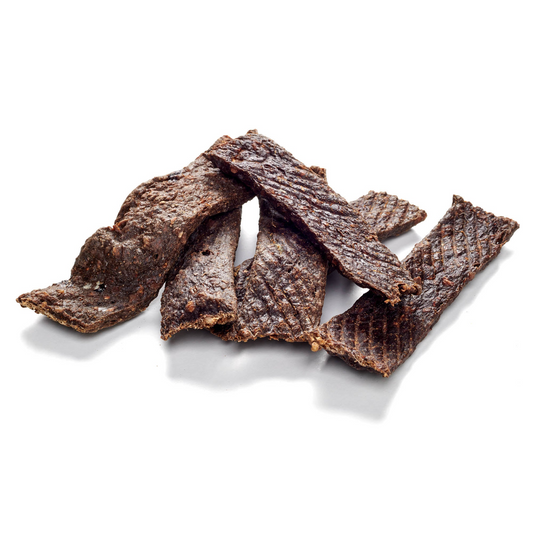
Fish skin chews for long-lasting chewing fun:


Are fish snacks healthy for dogs?
Yes, fish snacks are healthy for most dogs: they provide high-quality protein, contain omega-3 fatty acids and are a well-tolerated protein source for many dogs. The important thing is to choose dried, unseasoned products made specifically for dogs.
What makes fish valuable for dogs
- Omega-3 fatty acids: oily fish such as herring, sprat, mackerel and salmon in particular contain the fatty acids EPA and DHA.
- High-quality protein: fish provides easily digestible protein.
- Alternative protein source: for dogs that mostly get beef or poultry, fish makes a welcome change.
- Intense smell: many dogs love the strong aroma – even picky eaters.
You'll find the basics on fish in dog nutrition in our guide Fish for dogs.
Fish for allergies
Because fish appears less often in many dog foods than beef or chicken, it is often used for food intolerances. Many fish snacks are made from just one type of fish, which makes choosing easier. You'll find more ideas in the category hypoallergenic chews.
Which fish chews are available for dogs?
Fish chews for dogs are mainly available as dried fish skin (for example cod skin rings or rolled salmon chew sticks), as whole dried fish such as herring or sprat and as small thalers or cubes. You'll find the full selection in our category fish.

Fish skin: cod and salmon
Dried fish skin is tough and offers longer chewing work. Cod skin is available as rings or twisted sticks, salmon skin often as a chew stick. Cod is a lean fish, so cod skin provides comparatively little fat. You'll find cod snacks in the category cod and salmon snacks in the category salmon.
Whole dried fish
Whole herring, sprats or flounders are gently dried and fed whole. They are fattier than fish skin and therefore provide more omega-3 fatty acids, but also more calories. You'll find more about herring in the category herring.
Thalers, cubes and soft fish snacks
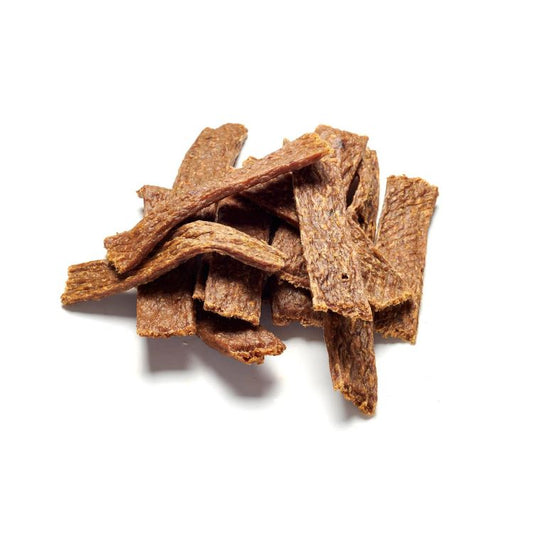
Small fish snacks such as cod cubes mini or soft Training Softies Fish are ideal for training. If you're looking for a classic chew bone with fish, you can try the chew bones with cod.
Whole dried fish for nibbling:


Is cod skin good for my dog's coat?
Cod skin can contribute to healthy skin and a shiny coat, because fish contains omega-3 fatty acids that are important for skin and coat. However, it is not a miracle cure: a balanced diet, grooming and good health are what matter most for a beautiful coat.
Omega-3 and coat: realistic expectations
Omega-3 fatty acids are involved in many processes in the skin and coat. Fish snacks can supplement the supply, but usually don't contain enough to replace a targeted supplement. If your dog has a dull coat, dandruff or itching, have your vet find the cause. You'll find helpful tips in the articles Grooming your dog and My dog has dandruff.
Lean or oily?
| Fish snack | Fat content (tendency) | Omega-3 (tendency) | Chewing time |
|---|---|---|---|
| Cod skin | low | present | long |
| Salmon skin | medium | higher | medium to long |
| Herring, sprat | higher | higher | short |
| Thalers and cubes | depends on the fish | depends on the fish | short |
Fish chews or beef chews?
Fish chews are a good alternative to beef chews if your dog doesn't tolerate beef, needs variety or you want to focus on omega-3 fatty acids. Beef chews, on the other hand, often offer a wider choice of shapes and hardness levels.
Benefits of fish
- Different protein source: for dogs with a beef intolerance, fish is an obvious choice.
- Natural fatty acids: fish contains omega-3 fatty acids, which are hardly found in beef chews.
- Easy to portion: fish skin rings and sticks come in different lengths.
What to bear in mind
- Smell: fish snacks smell much more intense – a plus for dogs, sometimes less so for humans.
- Hardness: fish skin is tough, but usually less hard than large chew bones. Very strong chewers finish it faster.
- Calories: whole oily fish provide more energy than lean cod skin.
It's best to combine different chews according to your dog's needs – and to pay attention to quality, the right size and supervision for all varieties.
How to feed fish chews to dogs correctly
It's best to feed fish chews under supervision, in a form that suits your dog's size and counted as part of the daily food ration.
Step by step
- Choose the right size: the chew should not be small enough to be swallowed whole.
- Introduce slowly: start with small amounts so your dog's digestion can get used to the fish.
- Supervise: stay nearby while your dog chews and remove small leftovers.
- Provide water: dried snacks make dogs thirsty – fresh water should always be available.
- Adjust the amount: snacks count towards the daily ration; as a rule of thumb, no more than about 10 percent of the daily energy intake.
Whole fish and bones
Dried whole fish contain fish bones. Drying usually makes them brittle, but you should still keep a particularly close eye on dogs that gulp. Cooked or fried fish leftovers with bones, on the other hand, don't belong in a dog's bowl.
Storing them correctly
Fish snacks smell intense. Store them airtight, cool and dry so they stay fresh and the smell doesn't linger in the whole room. You'll find more tips in the article Proper storage of chews.
Small fish snacks for training and everyday life:


Frequently asked questions about fish chews for dogs
Are fish snacks healthy for dogs?
Yes, dried fish snacks are healthy for most dogs. They provide high-quality protein and omega-3 fatty acids and are often well tolerated. Choose unseasoned products made for dogs and count them as part of the daily ration.
Which chews contain omega-3 fatty acids?
Omega-3 fatty acids are mainly found in chews and snacks made from fish, for example salmon chew sticks, dried herring, sprats or mackerel cubes. Oily fish provide more omega-3 than lean cod.
Is cod skin good for my dog's coat?
As part of a balanced diet, cod skin can contribute to healthy skin and a shiny coat. However, it is no substitute for a vet's examination if your dog has coat problems, dandruff or itching.
Can puppies have fish chews?
Puppies can have small, soft fish snacks if they tolerate them. With hard fish skin and whole fish, make sure the size is right and supervise your puppy while it chews.
Do fish chews smell strongly?
Yes, dried fish snacks have an intense smell of their own. For dogs, that's exactly what makes them appealing. Store them airtight and ideally give them on an easy-to-wipe surface, and the smell will stay manageable.
Are fish chews suitable for small dogs?
Yes, short cod skin rings, thalers or cubes are especially suitable for small dogs. Larger sticks and whole fish may be too big for small breeds. Always choose a size that suits your dog's mouth.
Conclusion: fish chews are healthy chewing fun with omega-3
Fish chews for dogs combine long-lasting chewing fun with valuable protein and natural omega-3 fatty acids. Cod skin is lean and tough, while salmon skin and whole fish such as herring or sprat provide more fat and omega-3. Feed under supervision, choose the right size and count the snacks as part of the daily ration. If your dog has skin or coat problems, your vet is the right person to ask. Discover our selection in the category fish.
Further reading on this topic:
This post was created with the help of AI