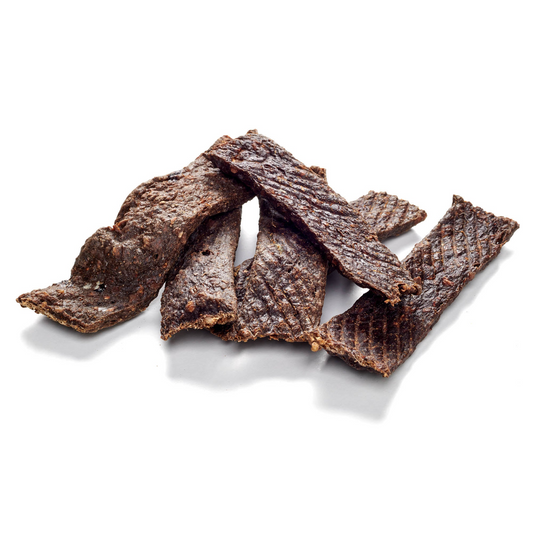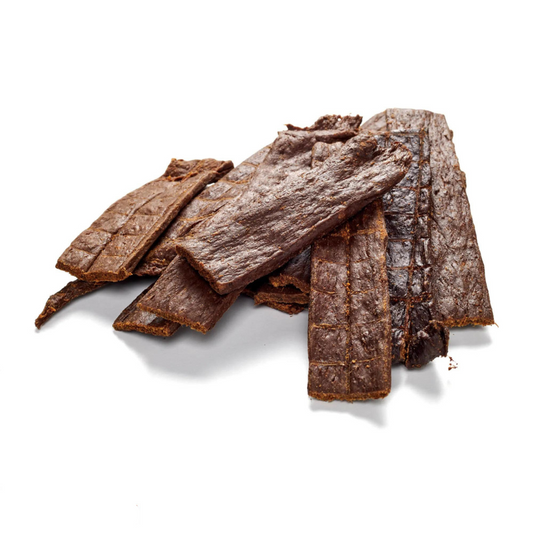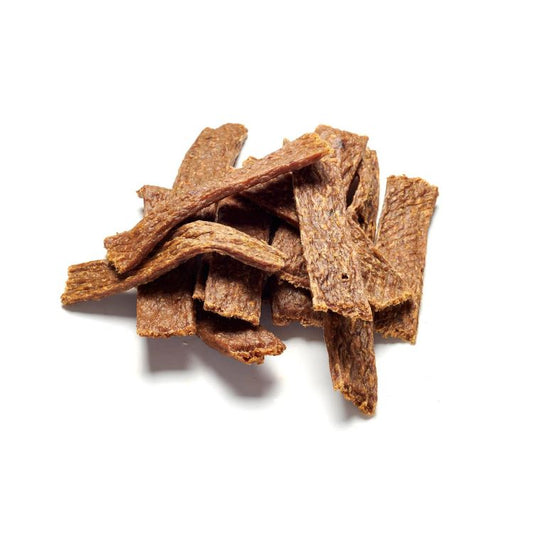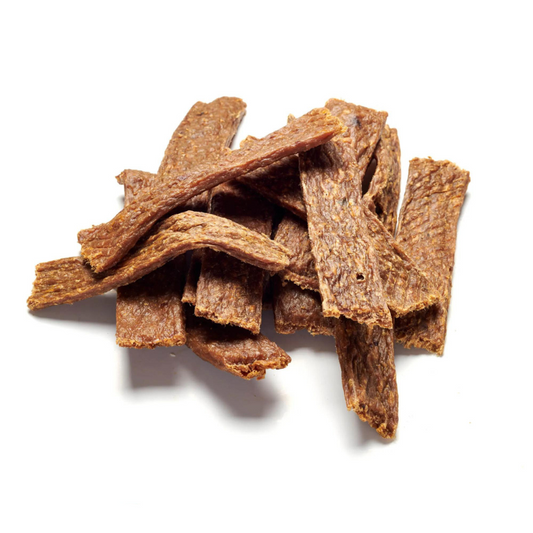

Chew Ears for Dogs: Cattle, Pig, Lamb & Rabbit Compared
Chew ears for dogs are among the most popular natural chews – but cattle ears, pig ears, lamb ears and rabbit ears differ significantly in fat content, hardness and size. For most dogs, low-fat cattle ears are a good everyday choice, while fattier pig ears should remain an occasional exception. In this comparison, you'll find out which ear suits your dog and how often you can feed it.
Content: Chew Ears for Dogs: Cattle, Pig, Lamb & Rabbit Compared
- Why are chew ears for dogs so popular?
- Chew ears for dogs compared: the overview
- Cattle ears and lamb ears: low in fat and long-lasting
- Pig ears: are they too fatty for dogs?
- Rabbit ears: light, with or without fur
- Frequently asked questions about chew ears for dogs
- Conclusion: chew ears for dogs – the right ear for every dog
The classics among chew ears:


Why are chew ears for dogs so popular?
Chew ears are popular because they consist of just one ingredient, smell intensely of meat and, depending on the type, offer dogs short to long chewing fun.
Natural and simple
Chew ears consist of skin and cartilage and are dried without additives. They are single-ingredient complementary feeds and therefore supplement the main meal. Thanks to the different animal species, it's easy to find a suitable protein source for dogs with intolerances.
Occupation and the need to chew
Chewing on an ear satisfies the natural need to chew and can relax dogs. Chewing also creates mechanical abrasion on the teeth. Our article Dental care for dogs explains how chews can support dental care. You'll find an overview of all types in the category Ears for dogs.
Chew ears for dogs compared: the overview
In a direct comparison, cattle ears are the lowest in fat according to our product information and offer the longest chewing fun, lamb ears are small and low in fat, pig ears are fattier and rabbit ears with fur are particularly light.

| Ear | Crude fat (approx., according to product information) | Hardness | Chewing time | Size (approx.) |
|---|---|---|---|---|
| Cattle ear | 2% | hard | extra long | 15–30 cm |
| Lamb ear | 8% | hard | long | 8–15 cm |
| Pig ear | 15% | hard | medium-long | 10–15 cm |
| Rabbit ear with fur | 22% | medium | medium | 17–25 cm, narrow |
The figures come from the product descriptions of the respective chew ears at snack4pet. As these are natural products, size and composition may vary.
Which ear for which dog?
- Large, powerful chewers: Cattle ears keep them busy the longest and are low in fat.
- Small dogs: Lamb ears or rabbit ears fit well in the mouth and don't overtax the jaw.
- Dogs with weight problems: Cattle and lamb ears are the lowest-fat options in the comparison.
- Seniors: Light rabbit ears are often more comfortable than very hard cattle ears.
- Dogs with intolerances: Rarer species such as rabbit or horse help you find a well-tolerated protein source.
More ears: horse, goat and camel
Besides the four classics, there are chew ears from other species. Horse ears are an option for dogs that react sensitively to beef or pork. Goat and camel ears add extra variety. With every type, it's important to introduce new chews slowly and watch how your dog tolerates them.
Cattle ears and lamb ears: low in fat and long-lasting
Cattle ears and lamb ears are well suited as a regular chew because, according to the product information, they contain little fat and keep dogs busy for a long time.
Cattle ears for dogs
The Cattle ears are 100% beef, hard and, according to the product description, offer extra-long chewing fun with little odour. With around 2% crude fat, they are also interesting for dogs that need to watch their weight. For smaller dogs or as a shorter variant, there are Bovine ear shells. The category Beef offers more beef chews.
Feeding cattle ears correctly
Because cattle ears are very hard, they are best suited to adult dogs with healthy teeth. Give the ear in a quiet spot, provide fresh water and take the last piece away as soon as it is small enough for your dog to swallow whole. You can let a chewed ear dry and give it again later.
Lamb ears for dogs
Lamb ears are smaller, hard and, at around 8% crude fat, also low in fat. Lamb is a well-tolerated protein source for many dogs with sensitive stomachs. That's why lamb ears are a popular choice for small breeds and sensitive dogs. Read more about lean snacks in the article Low-fat dog chews.
Pig ears: are they too fatty for dogs?
Pig ears are not too fatty in principle, but at around 15% crude fat they contain significantly more fat than cattle or lamb ears and are therefore better suited as an occasional snack.
Who pig ears are suitable for
Healthy, normal-weight and active dogs usually tolerate a Pig ear well as an occasional reward. Many dogs love the intense flavour. For dogs that are overweight, have a sensitive gastrointestinal tract or a history of pancreatitis, lower-fat alternatives are better. If in doubt, ask your vet.
Dosing pig ears correctly
- Give rarely: A pig ear is more of a weekend highlight than a daily chew.
- Share: For small dogs you can halve the ear or choose pig ear strips.
- Adjust food: On days with a pig ear, make the main meal a little smaller.
Also pay attention to quality: good pig ears are evenly dried, don't smell rancid and don't feel greasy. You'll find more pork chews in the category Pig.
Rabbit and lamb ears with and without fur:


Rabbit ears: light, with or without fur
Rabbit ears are light, narrow chew ears that are particularly suitable for small dogs, seniors and as a quick snack in between.
Rabbit ears with fur
Rabbit ears with fur have a medium hardness and are chewed quickly. The fur provides indigestible fibre that passes through the gut like a natural bulking agent. Introduce them slowly, as some dogs initially react with slightly softer stools. We take a closer look at whether rabbit ears with fur really help against worms in the article Rabbit ears with fur: natural dewormer or myth? – in short, they don't replace a wormer. According to the product information, rabbit ears with fur contain around 22% crude fat; but because an ear is very light, the amount of energy per piece remains manageable.
Rabbit ears without fur
Rabbit ears without fur are the classic variant for dogs that don't like the fur or don't tolerate it well. Rabbit is also a relatively rare protein source and therefore interesting for many dogs with intolerances. The category Rabbit offers the full selection, and you'll find chews with fur from other species under Chews with fur.
More ear snacks for variety:


Frequently asked questions about chew ears for dogs
Which ears are best for dogs?
That depends on your dog. Low-fat cattle or lamb ears are often the best choice for everyday use. Small dogs and seniors do well with rabbit ears, while pig ears are suitable as an occasional reward.
Are pig ears too fatty for dogs?
According to our product information, pig ears contain around 15% crude fat – significantly more than cattle ears. For healthy, normal-weight dogs they are fine occasionally; for overweight dogs or those with sensitive stomachs, lower-fat ears are the better choice.
How often can a dog have cattle ears?
Many dogs get a cattle ear two to three times a week. It's important to count the energy in the daily treat budget. All treats combined should provide no more than about 10 percent of daily energy.
Are chew ears suitable for puppies?
Puppies can try softer, small ears such as rabbit ears. Very hard cattle ears are often too firm during teething. Always give chew ears under supervision.
Can a dog swallow a chew ear?
Yes, especially if it eats hastily or the ear is too small. So choose a type that matches your dog's size, supervise your dog and remove small leftover pieces in good time.
Conclusion: chew ears for dogs – the right ear for every dog
Chew ears for dogs are natural, popular chews that differ significantly depending on the animal species. Cattle ears and lamb ears are low in fat and keep dogs busy for a long time, rabbit ears are light and ideal for small dogs, while pig ears remain an occasional reward because of their higher fat content. Choose the ear to suit your dog's size, weight and tolerance, count it in the treat budget and stay nearby while it chews. That way every ear becomes a safe chewing pleasure.
Further reading on this topic:
- Chew articles for dogs: why they're important and which ones are available
- How many treats per day? The 10 percent rule
- Suitable chews for small dogs
This post was created with the help of AI