
Turkey for dogs: lean and easy to digest
Turkey for dogs is an easily digestible, protein-rich source of protein that is particularly lean as muscle meat. That is why turkey is well suited to dogs with sensitive stomachs, for a bland diet and as a basis for treats. Here you will learn what makes turkey special, which turkey snacks are available, whether turkey necks are suitable and what you should look out for in terms of fat content.
Content: Turkey for dogs: lean and easy to digest
- Is turkey good for dogs?
- Is turkey good for dogs with stomach problems?
- Which turkey snacks are there for dogs?
- Can dogs eat turkey necks?
- Turkey for dogs: fat content of snacks compared
- Frequently asked questions about turkey for dogs
- Conclusion: turkey for dogs – lean, digestible and versatile
Popular turkey snacks for your dog:


Is turkey good for dogs?
Yes, turkey is good for dogs: it provides high-quality protein, breast meat is very lean, and most dogs tolerate it well.
What does turkey contain?
Like chicken and duck, turkey is poultry. The light breast meat contains a lot of protein and little fat, while the darker leg meat contains a little more fat. Turkey also provides B vitamins, zinc, iron and selenium. Your dog still needs a balanced main food for complete nutrition – turkey snacks are a supplement.
Turkey or chicken?
Turkey and chicken are similar, but turkey is considered slightly leaner and has a stronger taste. Some dogs that react to chicken tolerate turkey, others do not – because both are poultry. If your dog has a known poultry allergy, you should therefore avoid turkey too. You can read more about the comparison in the article Chicken for dogs. An overview of all poultry types can be found in the category poultry.
Turkey for dogs with allergies
With food allergies, dogs usually react to protein sources they have eaten often. If your dog has mainly been given beef or lamb so far, turkey can be an alternative. For an elimination diet, only snacks made of 100% turkey are suitable – products with other ingredients such as cheese or grain are then off-limits. Always plan such a diet together with your vet, because it lasts several weeks and must be followed consistently.
Is turkey good for dogs with stomach problems?
Turkey is often well suited to dogs with stomach problems because lean, cooked turkey is easy to digest and puts little strain on the digestive tract.
Turkey as a bland diet
For mild digestive complaints, cooked lean turkey with rice or potatoes is often recommended as a bland diet. Important: no skin, no bones, no salt and no spices. Feed small portions spread over the day.
- Cook turkey breast: Simmer in water until cooked through.
- Cut into small pieces: Remove fat and tendons.
- Mix: Mix with cooked rice or potatoes and let it cool.
- Switch back slowly: After a few days, gradually return to the normal food.
When to see the vet
If diarrhoea lasts longer than one or two days, if vomiting, fever, blood in the stool or lethargy occur, or if your dog is a puppy or senior, it should see the vet. You can find more information in the guide Diarrhea in dogs.
Which turkey snacks are there for dogs?
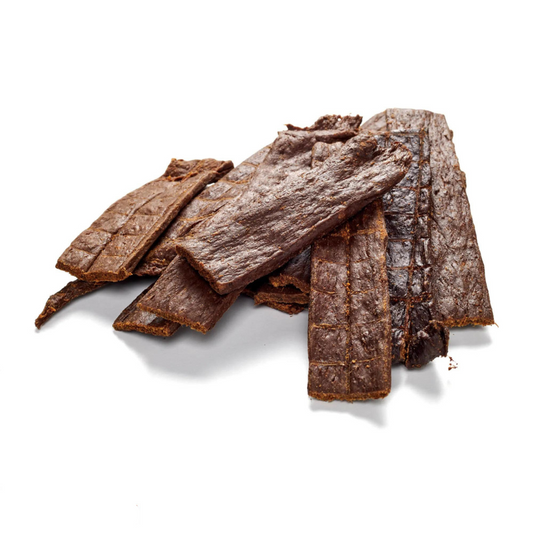
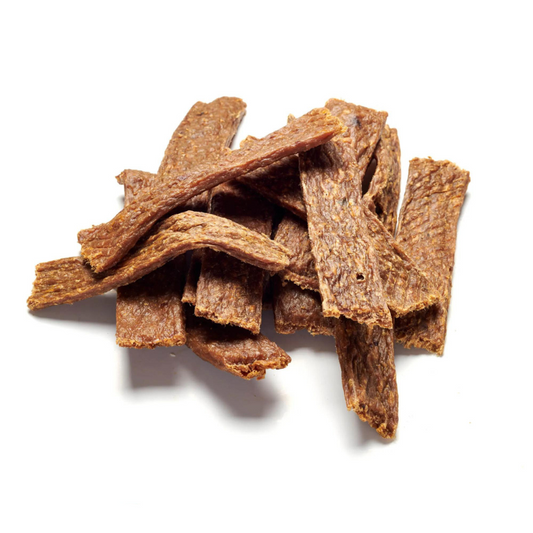
For dogs, turkey is available as dried meat strips, meat cubes (hard or soft), training snacks and dog sausage, as well as chews such as turkey necks, turkey wings and turkey feet.
Meat snacks for training and rewards
According to the product information, the turkey meat cubes consist of 100% turkey and are suitable for training and as a reward. For dogs with sensitive teeth, the softer soft turkey meat cubes are a good choice. The turkey meat strips are a little larger and make a good snack in between. You can find more soft snacks in the category soft meat cubes.
Turkey chews
- Turkey necks: Dried, with long-lasting chewing fun and a natural bone content.
- Turkey feet: Hard, cartilaginous and comparatively lean with around 9% crude fat.
- Turkey wings: Hard and higher in fat – only for experienced chewers and under supervision.
How to choose the right turkey snack
Small cubes that your dog can eat quickly are ideal for daily training. For seniors and dogs with sensitive teeth, soft cubes or sliced dog sausage are more pleasant. If your dog should be kept busy for longer, turkey necks or turkey feet are the better choice. Check the composition of every variety: single-protein snacks made from 100% turkey are particularly transparent, while mixed products such as crackers contain other ingredients.
You can find the full range in our category turkey for dogs.
Soft turkey snacks and training treats:


Can dogs eat turkey necks?
Yes, dogs can eat dried or raw turkey necks; cooked turkey bones, on the other hand, are off-limits because they become brittle when heated and can splinter.
What to look out for with turkey necks
- Only raw or gently dried: Never feed bones from cooked or roasted turkey.
- The right size: The neck should be big enough that your dog has to chew it and cannot swallow it whole.
- Always under supervision: Take away small leftover pieces.
- In moderation: Too much bone can lead to hard stools or constipation.
According to the product information, the turkey necks are 25 to 28 cm long and offer long-lasting chewing fun. Our article Chicken wings for dogs also explains how to feed dried poultry bones safely.
Turkey for dogs: fat content of snacks compared
Fresh turkey breast is very lean, whereas dried turkey snacks contain, according to the product information, between around 9% (turkey feet) and almost 45% crude fat (turkey training snack).
Drying removes water from the meat. Fat and protein are therefore much more concentrated per 100 grams than in fresh meat. If your dog needs a low-fat diet, it is worth checking the analytical constituents.

Tips for weight-conscious dogs
- Choose lean snacks for daily rewards and only give high-fat varieties occasionally.
- Count all treats in the daily ration – as a rule of thumb, no more than about 10% of daily energy.
- If your dog has pancreatitis or is overweight, discuss the choice of snacks with your vet.
You can find lean alternatives in the category low-fat chews, and single-protein snacks for allergies under hypoallergenic chews. Our article single protein snacks provides background information.
Turkey chews and crunchy snacks:


Frequently asked questions about turkey for dogs
Is turkey good for dogs with stomach problems?
Yes, cooked lean turkey without skin and spices is easy to digest and is often used as a bland diet. If symptoms persist, you should still see your vet.
Which turkey snacks are there for dogs?
There are meat strips, meat cubes, soft cubes, training snacks and dog sausage, as well as chews such as turkey necks, turkey feet and turkey wings. This way you will find the right snack for training and keeping your dog busy.
Can dogs eat turkey necks?
Yes, raw or dried turkey necks are suitable under supervision. Cooked bones are off-limits as they can splinter. Make sure the size is right and feed bones in moderation.
Can dogs eat raw turkey?
Raw turkey is also fed in raw feeding (BARF). In that case, make sure the meat is fresh and practise good kitchen hygiene, as raw poultry can contain germs such as salmonella. Dried snacks are less complicated for in between.
Can my dog eat leftovers from the holiday roast?
Better not: seasoned skin, gravy, stuffing and cooked bones are unsuitable for dogs. Instead, give your dog a few unseasoned pieces of cooked turkey breast or a special turkey snack.
Is turkey suitable for puppies?
Yes, lean turkey is also well tolerated by puppies. Small, soft snacks such as soft turkey meat cubes are particularly suitable. It is better to give hard chews with bone content only to older puppies and only under supervision.
Conclusion: turkey for dogs – lean, digestible and versatile
Turkey is an easily digestible source of protein that is just as suitable for a bland diet as it is for everyday rewards. Pay attention to the fat content of dried snacks, only feed turkey necks raw or dried and always under supervision, and count all treats in the daily ration. If stomach problems do not improve quickly, your vet is the right person to contact.
Further reading on this topic:
- The best natural dog treats for sensitive stomachs
- Duck meat for dogs: easy to digest and popular
- Low-fat dog chews for overweight dogs & pancreatitis
This post was created with the help of AI