
Duck meat for dogs: easy to digest and popular
Duck meat for dogs is easy to digest, tasty and a welcome alternative to chicken or beef for many dogs. So yes, dogs can eat duck – as meat, as a dried snack or as chews such as duck necks and duck feet. In this guide, you'll learn what makes duck meat special, which dogs it suits and what to look out for with chews that contain bones.
Content: Duck meat for dogs: easy to digest and popular
- Can dogs eat duck?
- Is duck meat good for a sensitive stomach?
- Which duck chews are available for dogs?
- Duck necks for dogs: what you should look out for
- How to feed duck meat to dogs correctly
- Frequently asked questions about duck meat for dogs
- Conclusion: duck adds variety to everyday snacking
Popular duck meat snacks:


Can dogs eat duck?
Yes, dogs can eat duck. Duck meat provides high-quality protein and is well tolerated by most dogs. The important thing is to feed unseasoned products made for dogs and never give cooked bones.
What makes duck meat special
- High-quality protein: duck provides important amino acids for muscles, skin and coat.
- Intense flavour: many dogs love this aromatic poultry meat.
- Variety: for dogs that usually get chicken or beef, duck is a welcome alternative.
- Versatile: duck is available as meat strips, cubes, sausages and chews.
Not all duck is the same
Duck meat is somewhat higher in fat than chicken breast, especially when skin or fatty parts are processed too. Lean meat strips are therefore great for everyday use, while fattier snacks such as sausages are better fed occasionally. You can read more about this related type of poultry in the article Chicken meat for dogs.
No leftovers with duck
Roast duck from the family table is unsuitable for dogs. It is often seasoned, contains onions or garlic and is often very fatty. Cooked or roasted bones can splinter and never belong in a dog's bowl.
Is duck meat good for a sensitive stomach?
Duck meat is considered easy to digest and is therefore often used for dogs with sensitive stomachs. The key is to choose lean, pure duck snacks and introduce new varieties slowly.
Duck for food intolerances
Duck is used less often in dog food than chicken or beef. For some dogs it is therefore still a new protein source, which can be helpful for intolerances. However, if your dog is allergic to chicken, you should only feed duck after consulting your vet, as cross-reactions between related poultry species are possible. Our guide Elimination diet for dogs with allergies explains how an elimination diet works.
Tips for sensitive dogs
- Choose pure snacks: look for products made only from duck.
- Introduce slowly: start with small amounts and keep an eye on the stools.
- Prefer low-fat options: meat strips and dried cubes are usually leaner than sausages.
- Pause if diarrhoea occurs: if digestive problems arise, stop the snack. Read more in the guide Diarrhoea in dogs.
You'll find more gentle snacks in the article The best natural dog treats for sensitive stomachs and in the category hypoallergenic chews.
Dried duck for chewing and nibbling:


Which duck chews are available for dogs?
For dogs, duck is available as dried meat strips, meat cubes, soft cubes, sausages and kabanossi, as well as chews such as duck necks, duck feet and duck wings. You'll find the full selection in our category duck.

Meat strips and cubes
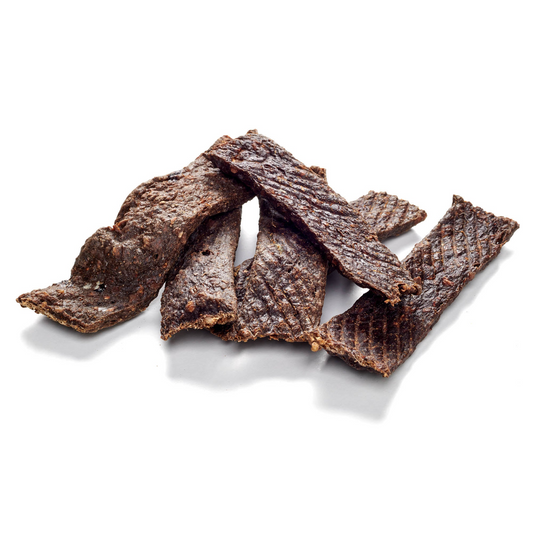
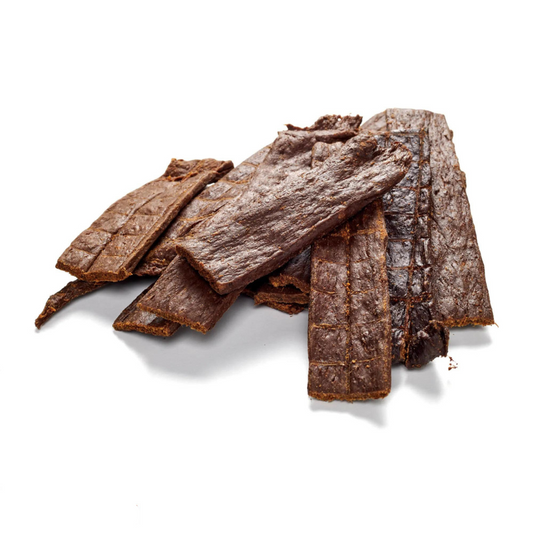
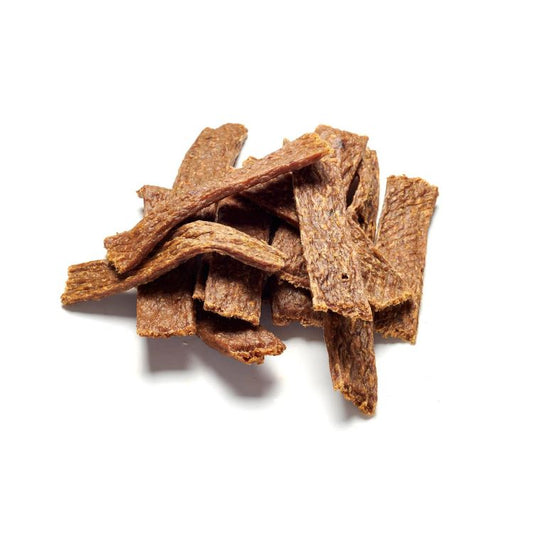
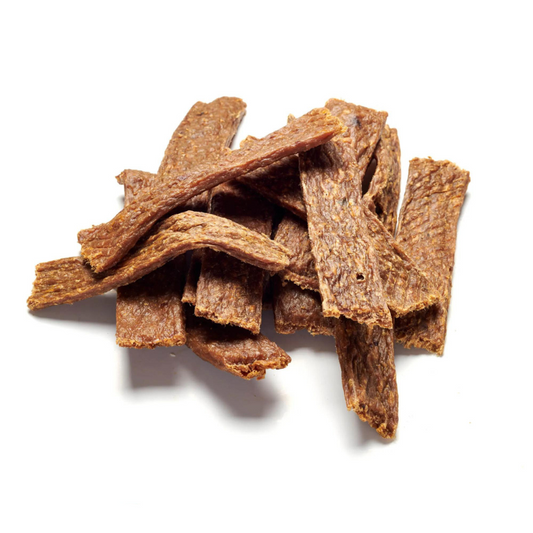
Dried duck meat strips are a classic: they offer some chewing work and are easy to portion. Small cubes are ideal as an everyday reward. For training, the duck training snack is also handy.
Duck necks
Dried duck necks are a natural chew that contains bone. They provide chewing fun and keep your dog busy for a while. Because they contain bones, you should only give them under supervision and choose a suitable size. They are less suitable for dogs that gulp their food or react sensitively to bones.
Duck feet and duck wings
Duck feet are cartilaginous and make a small chew for in between. You'll find more feet snacks in the category hooves & feet. Duck wings also contain bones and are more suitable for medium-sized and large dogs – suitable products are available in the category wings.
Sausages and dog sausage
Soft options such as the Delta Dog Sausage Duck or the duck sausage chain can be cut into small slices and are great for training. As sausages can contain more fat, it's better to give them in moderation.
Duck necks for dogs: what you should look out for
Duck necks are a good chew for most adult dogs if you feed them dried, in a suitable size and under supervision. Cooked duck necks or bones, on the other hand, are off limits.
| Chew | Feature | What to watch out for |
|---|---|---|
| Duck meat strips | boneless, medium chewing effort | good for most dogs |
| Soft duck meat cubes | soft, easy to break | ideal for seniors and training |
| Duck necks | contain bone | only under supervision, not for gulpers |
| Duck feet | cartilaginous, small | as a chew for in between |
| Duck wings | contain bone | rather for medium-sized and large dogs |
How to feed duck necks safely
- Only give duck necks dried, never cooked or roasted.
- Stay with your dog while it chews and remove very small leftovers.
- Choose a size your dog cannot swallow whole.
- Always provide fresh water.
- Count the chew as part of the daily food ration.
How to feed duck meat to dogs correctly
It's best to feed duck meat as a deliberate reward: in small pieces, in moderate amounts and counted as part of the daily food ration.
The right amount
As a rule of thumb, all treats and chews together should make up no more than about 10 percent of the daily energy intake. A larger chew such as a duck neck therefore replaces part of the other snacks on that day. As duck can contain more fat than lean varieties, it's worth keeping an eye on the total amount for dogs prone to weight gain.
Duck for puppies and seniors
Puppies can have small, soft duck snacks if they tolerate them well. Chews with bones such as necks or wings are less suitable for very young dogs. For seniors with sensitive teeth, soft options such as soft cubes or softies are the better choice, as they can be chewed with little force.
Storage
Store dried duck snacks in a cool, dry place and well sealed. Soft snacks such as sausages should be used up quickly after opening, following the instructions on the packaging.
Soft duck snacks for training and seniors:


Frequently asked questions about duck meat for dogs
Can dogs eat duck?
Yes, dogs can eat duck. Unseasoned duck meat and dried duck snacks are well tolerated by most dogs. Roast duck from the table and cooked bones, on the other hand, are unsuitable.
Is duck meat good for a sensitive stomach?
Duck meat is considered easy to digest and is therefore popular for many dogs with sensitive stomachs. Choose lean, pure duck snacks and introduce them slowly. If problems persist, ask your vet.
Which duck chews are available for dogs?
There are duck meat strips, meat cubes, soft cubes, sausages and kabanossi, as well as chews such as duck necks, duck feet and duck wings. Necks and wings contain bones and should only be fed under supervision.
Is duck fattier than chicken?
Duck meat is usually somewhat fattier than chicken breast, especially with the skin. Dried meat strips and cubes are usually a good choice, while sausages should be fed only occasionally.
Is duck suitable for allergic dogs?
For some dogs, duck is a new protein source and can therefore help with intolerances. However, dogs with a poultry allergy should only be given duck after consulting the vet.
Conclusion: duck adds variety to everyday snacking
Duck meat for dogs is easy to digest, aromatic and a nice change from chicken and beef. Whether as meat strips, soft cubes or chews such as duck necks and duck feet – there's a suitable option for almost every dog. With snacks containing bones, make sure to supervise and choose the right size, introduce new varieties slowly and ask your vet if your dog has allergies. You'll find more poultry snacks in the category poultry.
Further reading on this topic:
This post was created with the help of AI