
Soft treats for senior dogs with dental problems
Soft treats for senior dogs are the best choice when teeth are missing, loose or painful: soft meat cubes, softies and finely sliced sausages can be mashed with very little force and are gentle on the teeth. If your dog has dental problems, you should avoid hard chew bones, hooves or antlers. In this guide, you'll learn which snacks suit senior dogs, how to portion them correctly and when it's time to see your vet.
Content: Soft treats for senior dogs with dental problems
- Why do senior dogs need soft treats?
- Which soft treats are suitable for senior dogs?
- Which snacks should seniors with dental problems avoid?
- How to feed soft treats to senior dogs
- Soft treats and nutrition in old age
- Frequently asked questions about soft treats for senior dogs
- Conclusion: soft treats make life easier for seniors
Soft meat cubes that seniors can chew easily:


Why do senior dogs need soft treats?
Senior dogs need soft treats because tooth loss, gum inflammation or worn teeth make chewing hard snacks painful or even impossible. Soft rewards make sure your senior still enjoys eating and training.
Typical dental problems in old age
Over the years, the teeth and jaw change. Many older dogs have already lost individual teeth or had teeth extracted under anaesthesia. Tartar and receding gums that expose sensitive tooth necks are also common. You can read more in our article on plaque and tartar in dogs.
- Missing teeth: less chewing surface means hard snacks can hardly be broken down.
- Loose teeth: strong pressure when chewing can hurt and put extra strain on loose teeth.
- Inflamed gums: sharp-edged or very hard chews can irritate the sensitive tissue.
- Worn teeth: in heavily worn teeth, the inner part of the tooth is sometimes close to the surface.
Signs that your dog has trouble chewing
Dogs often show pain very quietly. Watch whether your dog drops treats, chews on one side only, drools more, paws at its mouth or suddenly ignores hard chews. Noticeable bad breath can also be a sign – read more in our guide to bad breath in dogs. If you notice any of these signs, always have your vet examine the teeth first, because tooth pain needs treatment, not just softer food.
Which soft treats are suitable for senior dogs?
Soft treats with a yielding texture are the most suitable for senior dogs: soft meat cubes, softies, thinly sliced sausages and small training treats that are easy to mash. The key is that the snack falls apart with little chewing pressure and has no sharp edges.
Soft meat cubes
Soft cubes contain more residual moisture than classic dried meat cubes, so they stay supple. You can break them with your fingers, and toothless dogs can mash them well with their gums. In the category soft meat cubes you'll find many varieties, for example turkey meat cubes soft with lean poultry.
Softies and soft training treats
Softies are soft, often pillow-shaped snacks that are easy to break into small pieces. They are great for everyday rewards, search games or for hiding a tablet. You'll find a selection in the category Softies. For dogs with a sensitive stomach, a meat-free snack such as Softies Vegetables & Spirulina can add variety.
Sausage and dog sausage in thin slices
Dog sausage is naturally soft. Cut it into thin slices or small cubes so your senior doesn't have to swallow anything whole. As sausages are often higher in fat, you should use them sparingly.
Treats with fish for variety
Many seniors love the intense smell of fish – especially when their sense of smell declines with age. Soft snacks such as Training Softies Fish have a strong aroma and stimulate the appetite.

Which snacks should seniors with dental problems avoid?
Seniors with dental problems should avoid very hard, splintering or sharp-edged snacks, such as pressed rawhide chew bones, hooves, antlers, buffalo horn tips or large, hard ears. These chews require a lot of bite force and can cause pain or contribute to broken teeth if the teeth are already damaged.
How to judge hard chews
For young dogs with healthy teeth, hard chews are a useful activity. For senior dogs, this changes. A good test: if you can press the snack in with your thumbnail, it is usually suitable for sensitive teeth too. If it's as hard as wood, it's unsuitable for a senior with dental problems.
What about dried meat strips?
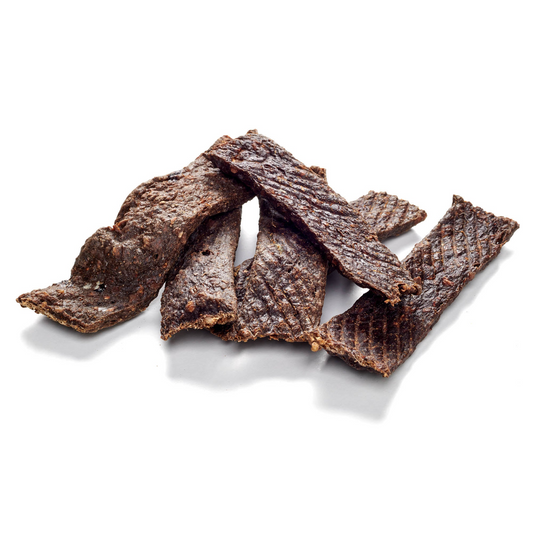
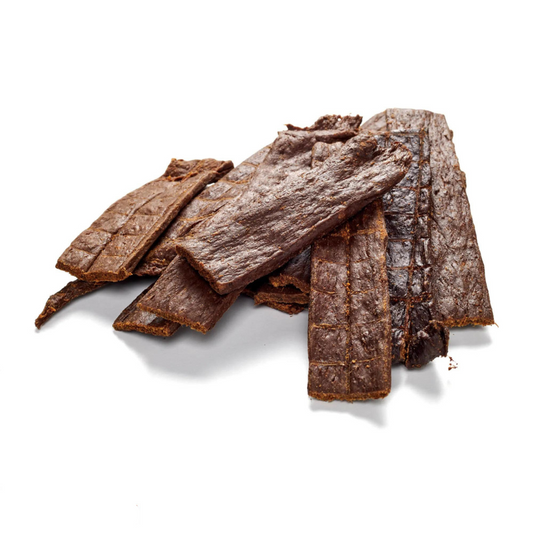
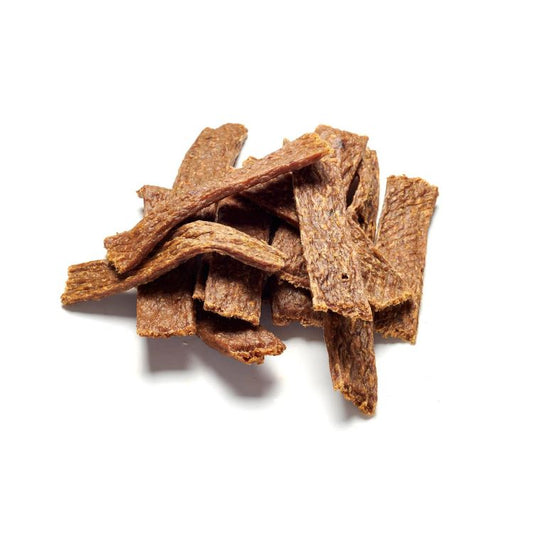
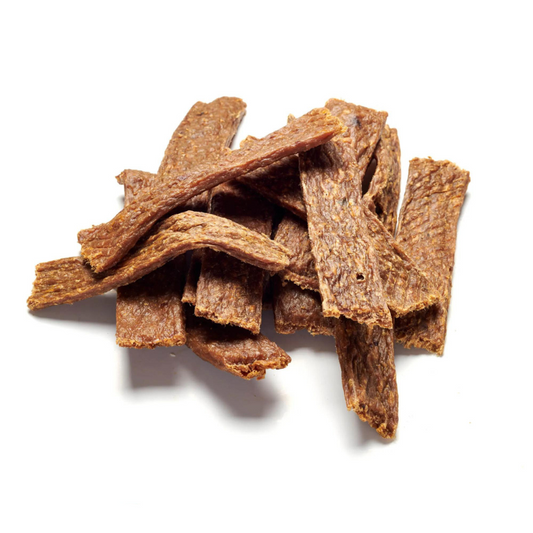
Classic dried meat strips are tough, but not as hard as bones. If you cut them into very small pieces with kitchen scissors, some seniors can still eat them well. Watch your dog closely: if it gulps the pieces down whole, soft cubes are the better choice.
Soaking treats
A simple trick is to soak dried snacks briefly in lukewarm water. This makes them softer and more aromatic. However, you should feed soaked treats promptly and not leave them out for hours.
Softies – soft, easy to break and ideal for seniors:


How to feed soft treats to senior dogs
It's best to feed soft treats to senior dogs in small pieces, in moderate amounts and counted as part of the daily food ration. That way, the reward stays easy to digest and your senior keeps a healthy weight.
Small pieces and the right amount
Older dogs often move less and therefore use less energy. So make sure snacks don't lead to weight gain. A proven guideline is the 10 percent rule, which we explain in detail in the article How many treats per day?. You'll find lean varieties in the category low-fat chews.
Step by step
- Have the teeth checked: ask your vet which teeth can still take pressure.
- Test the texture: first offer a small piece of a soft snack and watch how your dog copes with it.
- Adjust the size: break snacks into pea- to hazelnut-sized pieces, depending on your dog's size.
- Feed calmly: give treats in a relaxed setting so your dog doesn't gulp.
- Provide water: fresh water should always be available, especially after dried snacks.
- Watch the reaction: over the following days, keep an eye on digestion, appetite and chewing behaviour.
Enrichment without hard chews
Even without hard chew bones, older dogs can satisfy their urge to chew and their curiosity. Snuffle mats, lick mats with mashed soft cubes or simple search games keep the mind fit without straining the teeth. You'll find more suitable products in the category chews for old dogs.
Soft treats and nutrition in old age
Soft treats are a supplement, but they don't replace a balanced senior diet. The main food should be adapted to your dog's age, health and activity level.
What matters for senior dogs
Many older dogs benefit from highly digestible protein, an adjusted amount of energy and food that is easy to eat. If your dog has dental problems, wet food or soaked dry food can make eating easier. You'll find detailed tips in our guide Food for old dogs.
Prefer snacks with few ingredients
The shorter the ingredient list, the easier it is to see what your dog tolerates. Especially for older dogs with sensitive digestion, it's worth checking the composition in the product description. Snacks with just one type of meat also help you spot intolerances more quickly.
| Type of snack | Texture | Suitability for dental problems |
|---|---|---|
| Soft meat cubes | soft, supple | very suitable |
| Softies | soft, easy to break | very suitable |
| Dog sausage in slices | soft | suitable, feed sparingly |
| Dried meat strips | tough | only cut very small |
| Chew bones, hooves, antlers | very hard | not suitable |
More soft varieties for variety in the bowl:


Frequently asked questions about soft treats for senior dogs
Which treats can an old dog without teeth eat?
A dog without teeth can eat soft treats such as soft meat cubes, softies or thinly sliced dog sausage. These snacks can be mashed with the gums and tongue. Cut them small and offer them calmly so that nothing is swallowed whole.
Which chews are suitable for senior dogs?
For senior dogs with healthy teeth, soft to medium-firm chews such as thin meat strips are suitable. With dental problems, soft snacks are the better choice. Hard chew bones, hooves and antlers should not be given to older dogs with damaged teeth.
How do I reward a dog with toothache?
The best way to reward a dog with toothache is with very soft, small snacks or with praise, cuddles and calm games. It's important that the tooth pain is examined and treated by your vet. Soft treats don't relieve pain, they just put less strain on the teeth.
Can I soak dried treats for old dogs?
Yes, many dried snacks become softer if you soak them briefly in lukewarm water. Feed soaked treats promptly and remove leftovers so they don't spoil.
How many soft treats can an old dog have per day?
As a rule of thumb, all treats together should make up no more than about 10 percent of the daily energy intake. As older dogs often use less energy, it's worth deducting snacks from the food ration and checking their weight regularly.
Conclusion: soft treats make life easier for seniors
Soft treats for senior dogs are an easy way to help your senior keep enjoying food, training and rewards despite dental problems. Soft meat cubes, softies and finely sliced sausages are ideal, while hard chew bones, hooves and antlers should be off limits if the teeth are damaged. Cut snacks small, count them as part of the daily ration and have your vet check teeth and gums regularly. You'll find a large selection in the category training snacks and among our soft varieties.
Further reading on this topic:
This post was created with the help of AI