
Senior Dogs: How to Adjust Their Diet as They Age
As your dog ages, not only does their movement change, but so does their nutritional needs. Senior dogs require a specially tailored diet that supports their health, protects their joints, and helps them stay fit and vital. In this article, you'll learn everything important about senior dog nutrition, the right food for senior dogs, and optimal diet for dogs with arthritis.
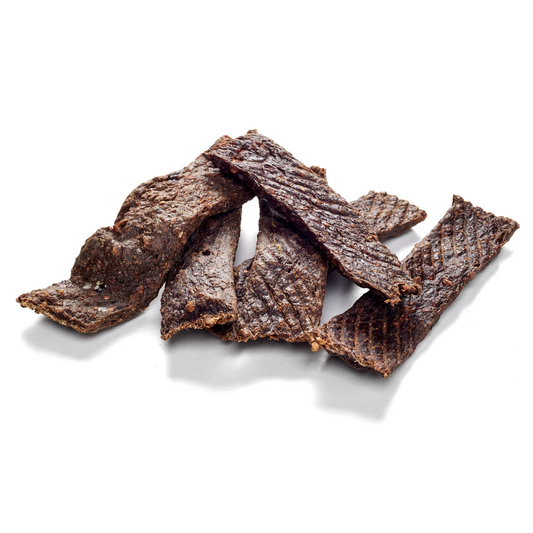
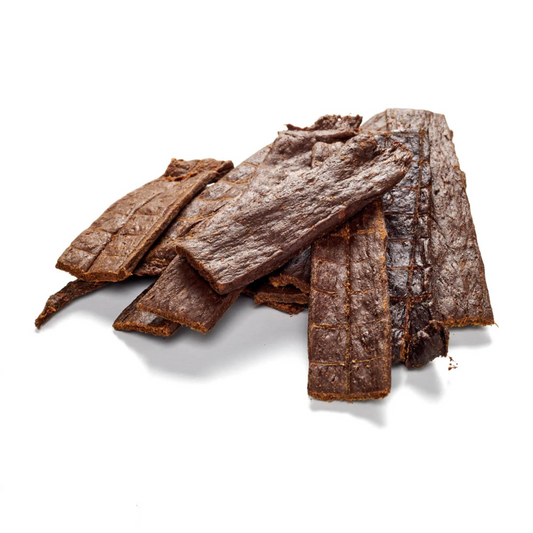
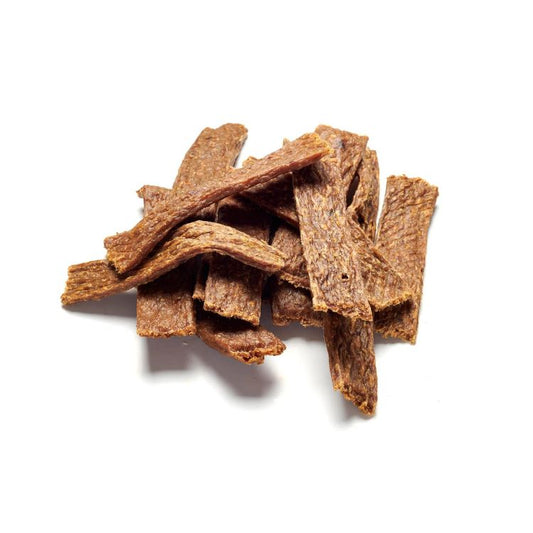
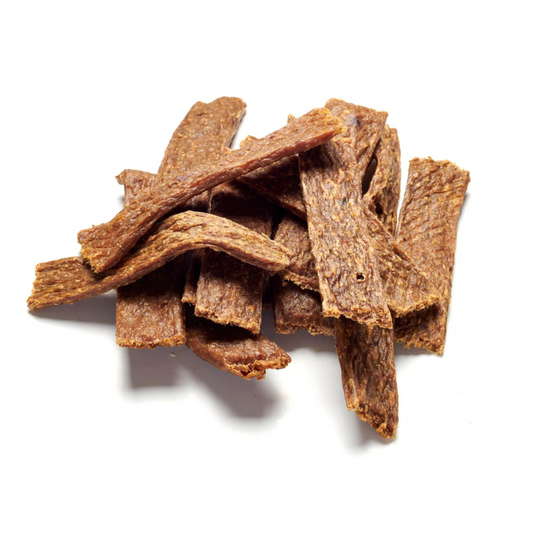
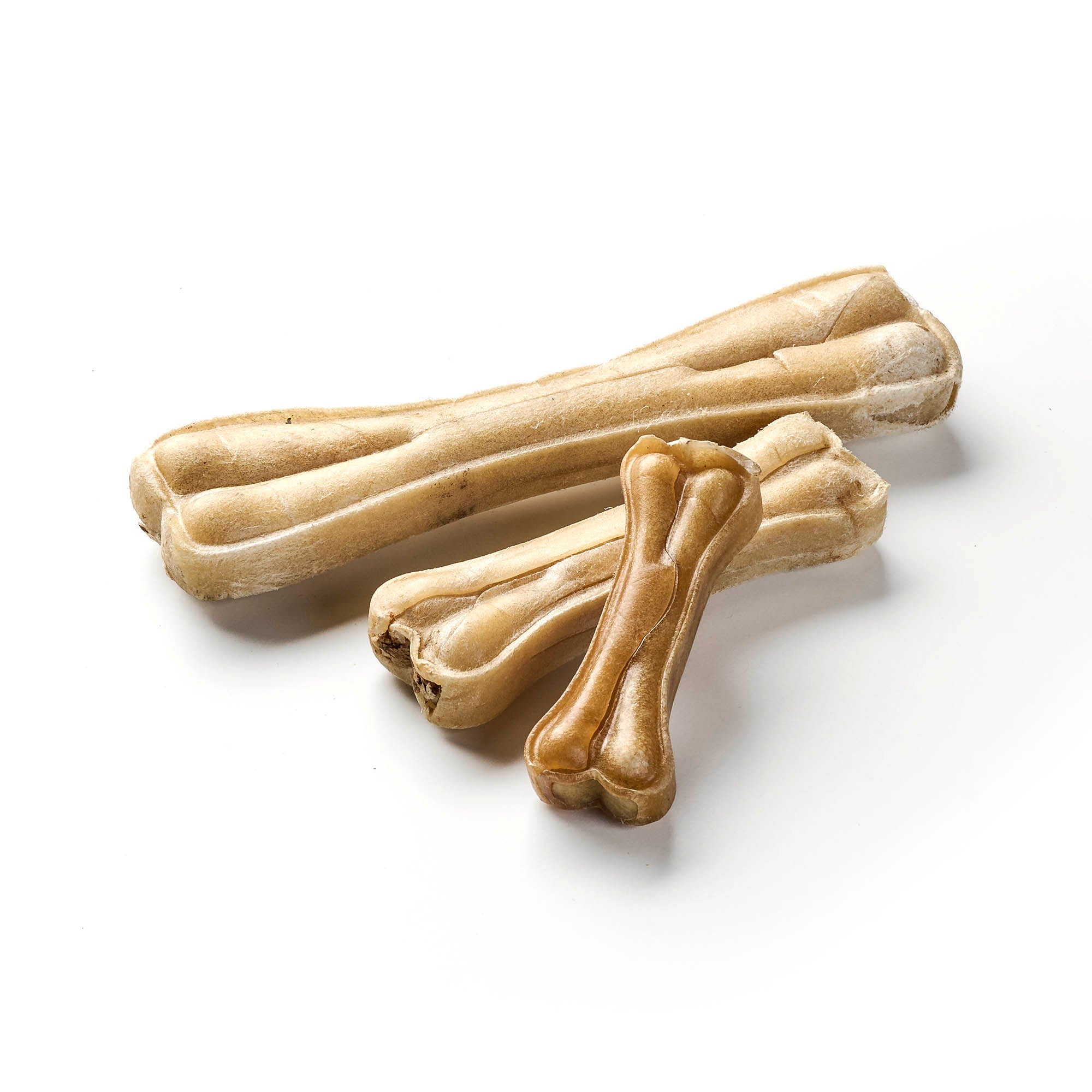
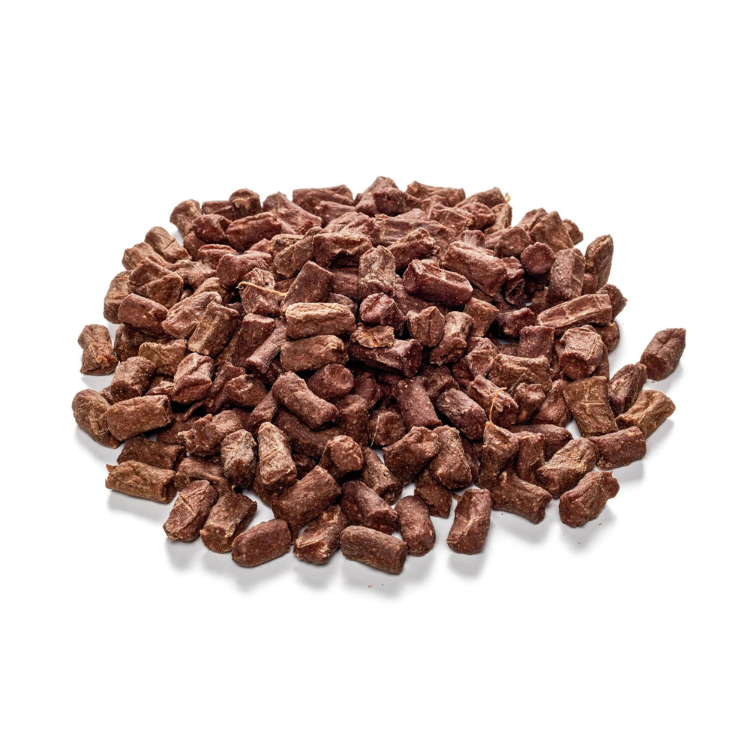
Bring joy to your dog's day with our treats!
Why does an older dog need a different diet?
As dogs age, their energy requirements decrease, while certain nutrients such as antioxidants, omega-3 fatty acids, and joint-supporting substances become significantly more important. Many senior dogs are less active, which is why food that is too high in energy can quickly lead to obesity. At the same time, they lose muscle mass, and their joints can be heavily affected by diseases like arthritis.
The right diet helps to:
- Maintain weight and prevent obesity
- Relieve inflammation and joint pain
- Strengthen the immune system
- Support digestion
What characterizes good food for senior dogs?
1. Adapted energy content
Older dogs burn fewer calories, so their food should have a moderate energy density. Obesity stresses the cardiovascular system and usually exacerbates joint problems.
2. High-quality, easily digestible protein
Muscle loss in old age can be slowed down by high-quality protein. The protein should be easily digestible so as not to burden the kidneys.
3. Joint-supporting ingredients
Especially with arthritis, diet is an important component of therapy. Food should therefore be rich in:
- Omega-3 fatty acids (e.g., from fish oil)
- Glucosamine and chondroitin
- Antioxidants such as vitamin E and C
to inhibit inflammation and protect cartilage.
4. Sufficient fiber and prebiotics
Soluble fiber and prebiotics are helpful for supporting healthy gut flora and digestion in senior dogs.
Arthritis in dogs – nutrition as a key element
Arthritis affects many older dogs and leads to pain and restricted movement. In addition to physical therapy and medication, a targeted diet can significantly improve their quality of life.
Which nutrients help with arthritis?
- Omega-3 fatty acids: They have anti-inflammatory effects and improve mobility. Conveniently, many senior dog foods already contain fish oil.
- Glucosamine and chondroitin: Support the regeneration of joint cartilage. Often found in special foods or supplements.
- Antioxidants: Help protect cells from oxidative stress, which can worsen arthritis.
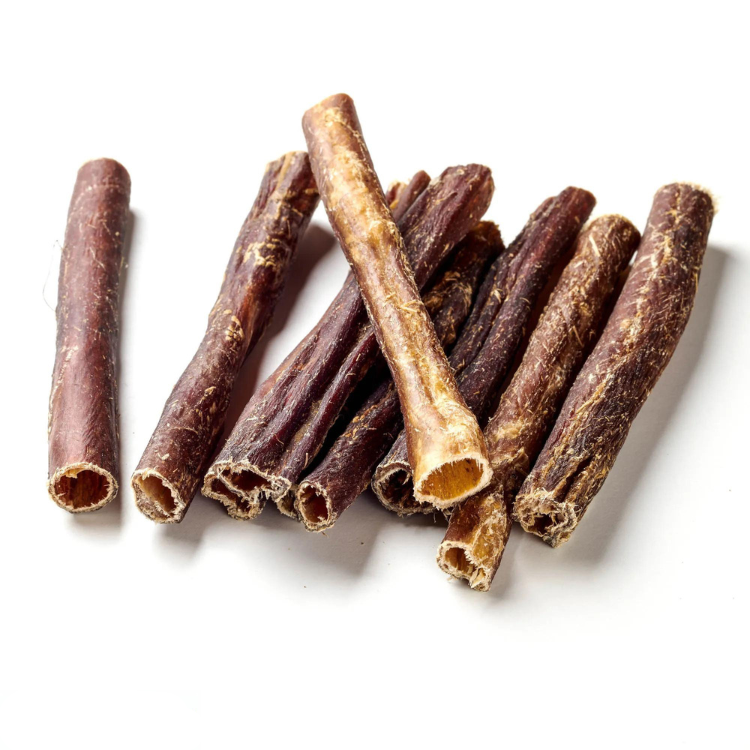
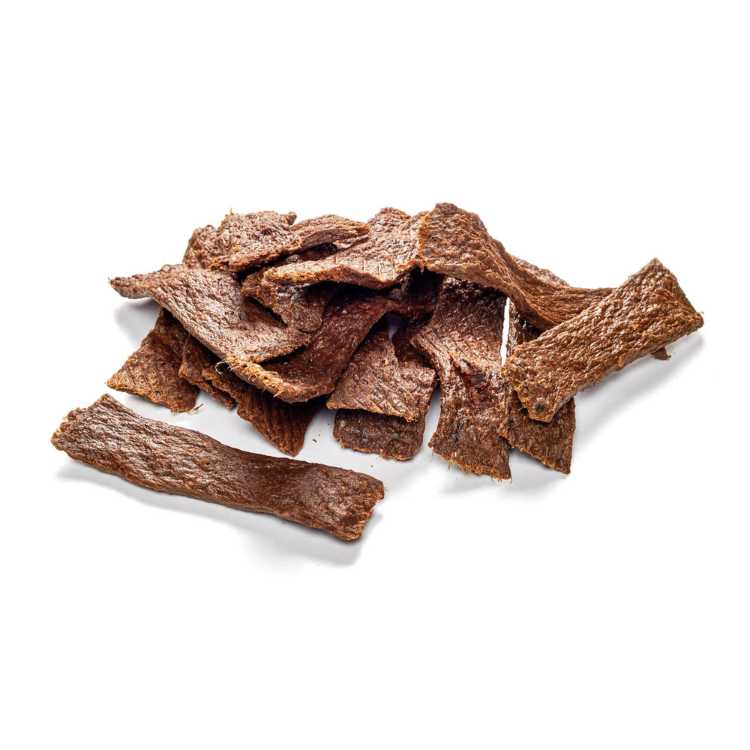
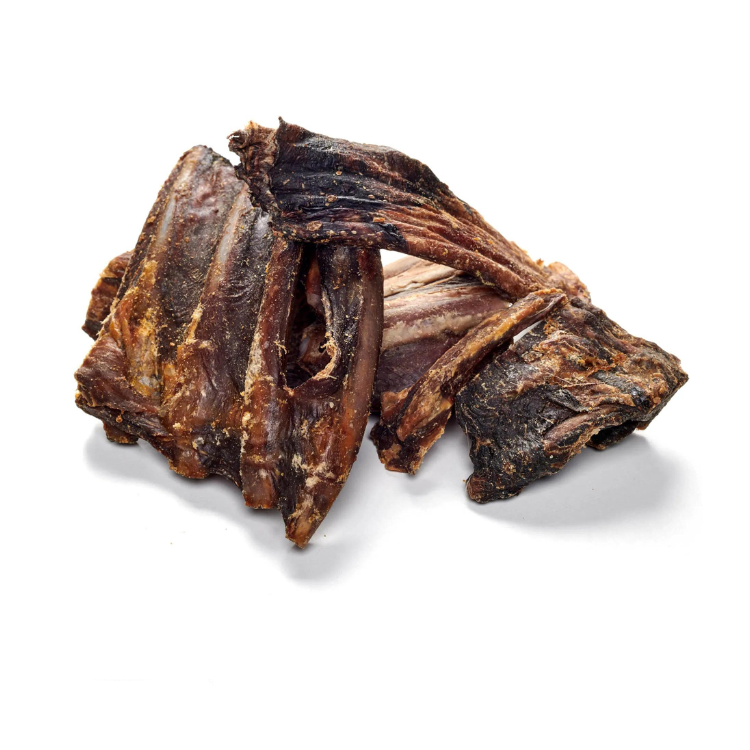
Make your dog happy with our tasty chews!
Practical tips for switching to senior dog food
Step 1: Choose the right time
The switch to a senior food is not tied to a specific age, but to performance and health. Large breeds often age earlier, small dogs later.
Step 2: Transition slowly
It's best to switch the food over about a week, gradually mixing the new food with the old to protect the gastrointestinal tract.
Step 3: Adjust portion sizes
Senior dogs often need smaller portions to maintain their ideal weight. Monitor their weight regularly.
What else should I provide for my senior dog?
In addition to a healthy diet, sufficient exercise and regular veterinary check-ups play a significant role. Joint-friendly activities such as walks on soft ground or swimming are ideal.
Nutrient Checklist for Senior Dogs
| Nutrient | Why important? | Source/Food recommendation |
|--------------------|------------------------------------------------------------|-----------------------------------------|
| Protein | Muscle maintenance | High-quality meat, fish |
| Omega-3 Fatty Acids | Anti-inflammatory, reduce arthritis symptoms | Fish oil, salmon |
| Fiber | For healthy digestion | Vegetables, whole grains, prebiotics |
| Glucosamine/Chondroitin | Cartilage building and joint protection | Specialty food, supplements |
| Antioxidants | Cell protection and immune boosting | Vitamin E and C from fruits and vegetables |
Recommended products for senior dogs at snack4pet.com
On snack4pet.com you will find a diverse selection of high-quality food specially for older dogs. Whether grain-free wet food, cold-pressed dry food, or joint-supporting snacks – you're sure to find what you're looking for here.
Treats that are gently produced and tailored to the needs of older dogs also support your darling in everyday life. Feel free to also check out our blog, where we regularly publish tips on dog nutrition in old age.
Frequently Asked Questions (FAQ)
When is a dog considered a senior?
The age at which your dog is considered a senior depends on the breed and size. Small breeds often become seniors from 7-8 years, large breeds as early as 5-6 years.
Do I have to completely change the diet for arthritis?
A complete change is not absolutely necessary, but advisable to better control inflammation. Ideally, you should combine special food with veterinarian-recommended supplements.
Can a senior dog still get "normal" food occasionally?
An occasional snack is allowed, but it should not become the norm – especially due to the energy content and possible additives in conventional food. Healthy treats are suitable here.
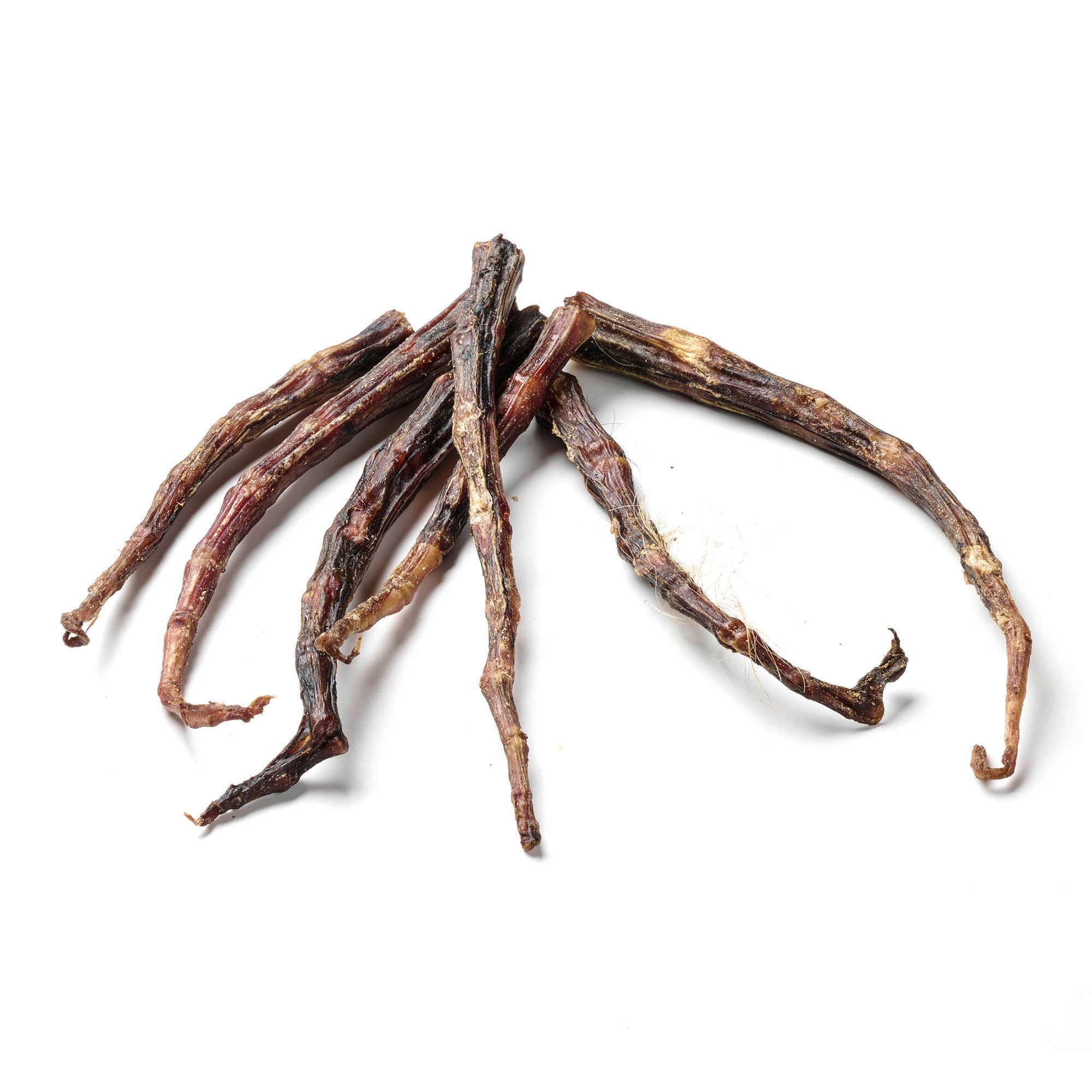
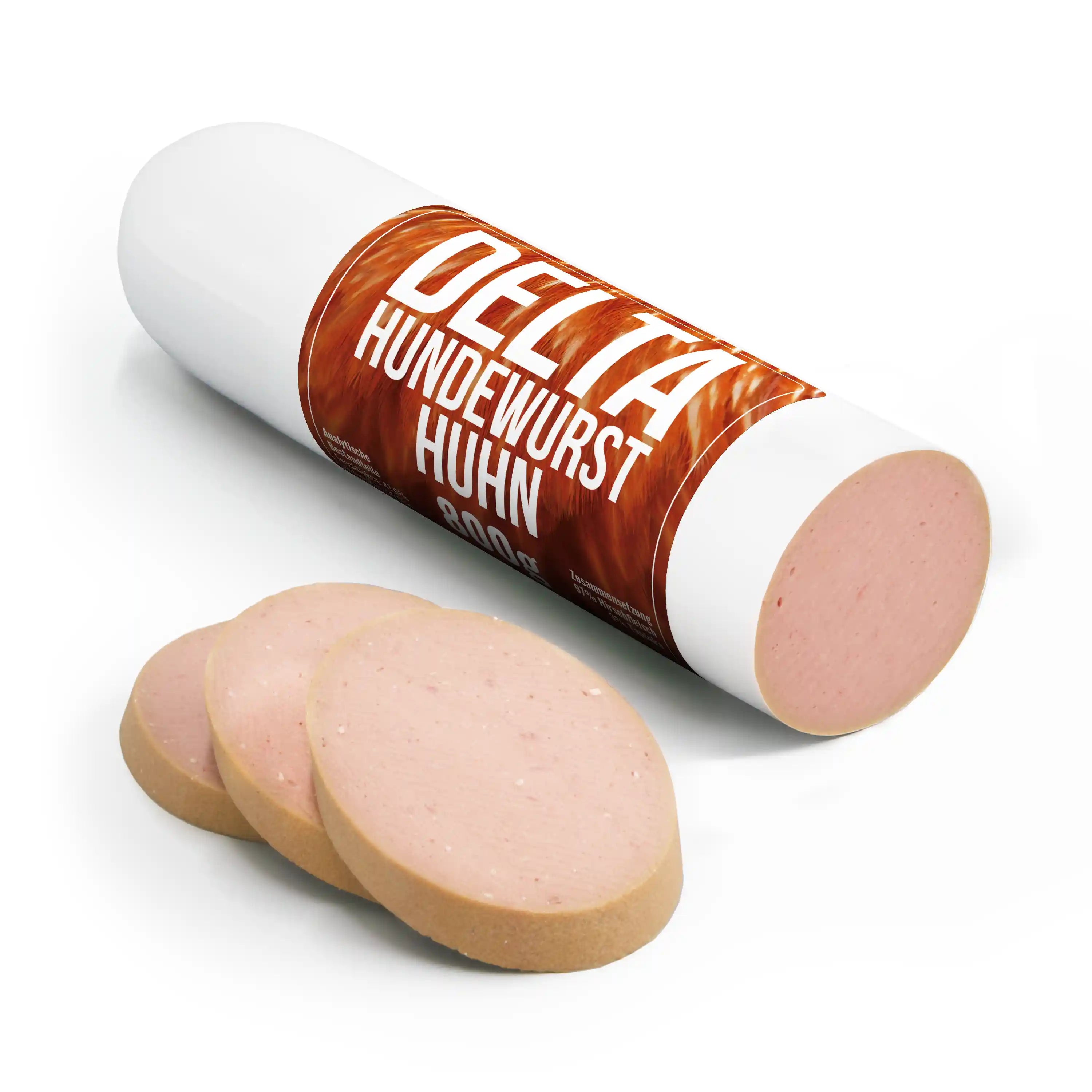
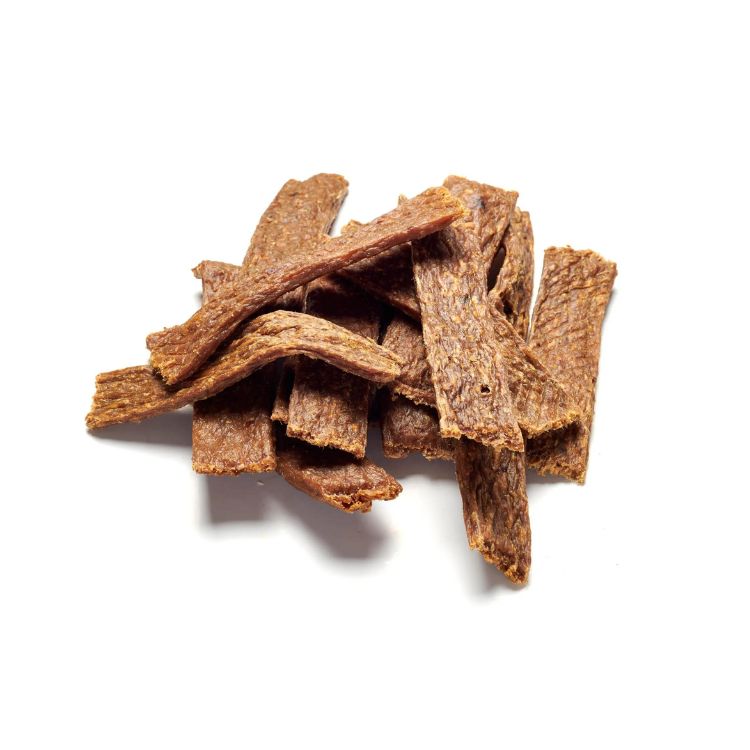
Enjoy moments together with our delicious dog chews!
Conclusion: Aging healthily together
Adjusting the diet for older dogs is a crucial step to maintain their quality of life and prevent or alleviate age-related ailments such as arthritis. Pay attention to a balanced, easily digestible food with joint-supporting nutrients and remember to also plan for sufficient exercise and regular health check-ups.
Do you want to do something good for your senior dog now? Discover great senior dog food options and healthy snacks at snack4pet.com – because your furry friend deserves only the best!
You can find more interesting information about dog nutrition in our article on cold-pressed dog food.
Want to learn more about allergy-friendly food? Check here: Hypoallergenic Dog Food – A Guide.