Bad breath in dogs: causes and natural remedies
Bad breath in your dog can be unpleasant to notice and cause you concern. After all, you not only want to know your loyal companion is healthy, you also want to be able to cuddle it without hesitation. But where does the unpleasant smell from the mouth come from, and what can you do about it as a dog owner? In this article, you'll get not only clear answers, but also valuable help for bad breath in dogs and dental hygiene tips for dogs that are easy to integrate into everyday life. This way, you'll ensure fresh breath and your dog's well-being.
Contents: Bad breath in dogs: causes and natural remedies
- Why does my dog have bad breath? – Causes in a nutshell
- Help for bad breath in dogs: what you can do now
- Practical dental hygiene tips for dogs – how to manage it in everyday life
- Frequently asked questions about bad breath and dental hygiene in dogs
- Conclusion: fresh breath through care and attention
Reward your best friend with our dog snacks!

Why does my dog have bad breath? – Causes in a nutshell
Bad breath in dogs – also called halitosis – usually results from a combination of different causes. Bacterial processes in the mouth often lead to unpleasant odours that you can notice with your nose alone. Here's an overview of the most common reasons:
1. Poor dental hygiene and tartar
Teeth that aren't brushed lead to a build-up of plaque, a film of food residue and bacteria. Over time, this film hardens into tartar, which becomes a problem for the gums and teeth. Gum inflammation (gingivitis) or even periodontitis can develop and make bad breath worse.
2. Food residue and food quality
Sometimes food residue gets stuck between the teeth, especially in wet-fed or raw-fed (BARF) dogs. Low-quality food with lots of additives can also be harder to digest and encourage unpleasant odours.
3. Gastrointestinal diseases
A foul or sour breath can indicate digestive problems or diseases of the gastrointestinal tract. Other symptoms such as vomiting, diarrhoea or loss of appetite can often be observed here.
4. Diseases of the internal organs
Liver or kidney diseases can also show up as bad breath. In this case, the breath smells, for example, of ammonia or fruit.
5. Foreign objects or injuries in the mouth
A small stone, splinters or sebaceous gland infections can make your dog's mouth odour worse. Tumours or abscesses are also possible.
Help for bad breath in dogs: what you can do now
To help your dog and get bad breath under control, there are various natural, practical measures. This way, you can actively contribute to your dog's dental hygiene and prevent unpleasant odours.
1. Regular dental care – the gold standard
Brushing your dog's teeth
Probably the most effective method is brushing with a special dog toothbrush and toothpaste. Important tips:
- Only use dog toothpaste, never human toothpaste.
- Get your dog used to the procedure slowly.
- Ideally brush daily, or at least 2–3 times a week.
- Use gentle movements to avoid irritating the gums.
This method effectively minimises plaque and tartar.
2. Chew snacks for dental care
Chew snacks are a great addition to dental hygiene. They help wear away plaque naturally and stimulate saliva production, which supports cleaning.
- Look for high-quality, natural snacks without artificial additives.
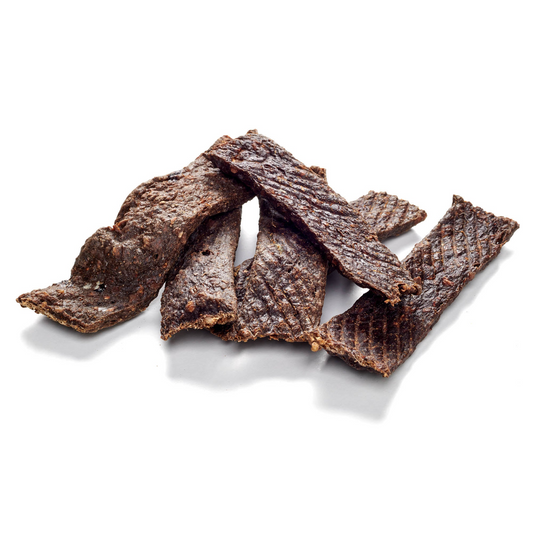
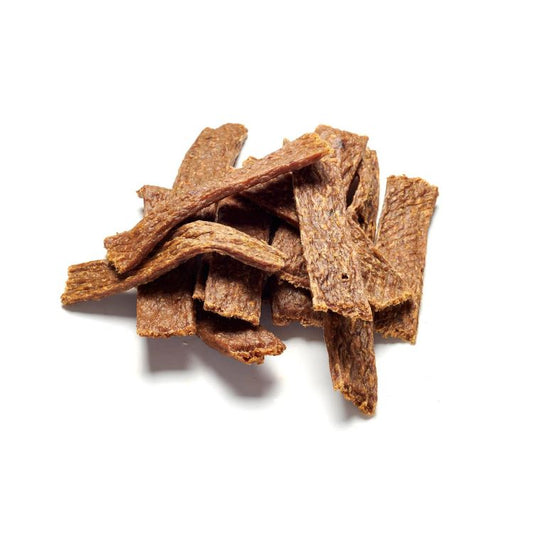
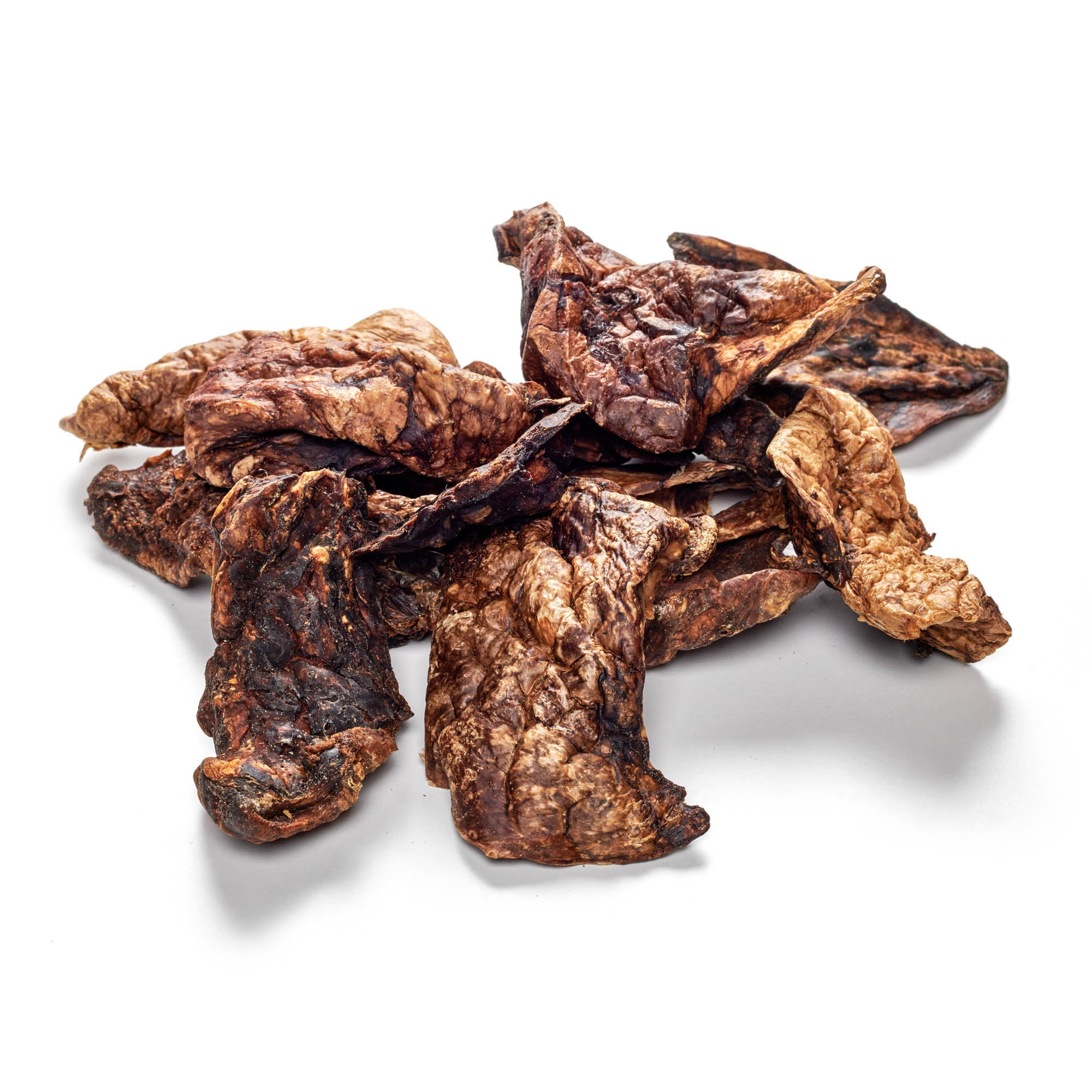
- For example, special dental chew bones or dried meat snacks.
On Snack4Pet you'll find a wide selection of suitable chew snacks for dogs.
3. Optimise water intake
A well-hydrated dog often has a healthier oral environment. Fresh water helps rinse away food residue and keeps the mucous membranes moist.
- Make sure your dog always has access to fresh drinking water.
- If your dog drinks little, try a drinking fountain or wet food.
Tasty dog snacks for pure enjoyment, available from us!

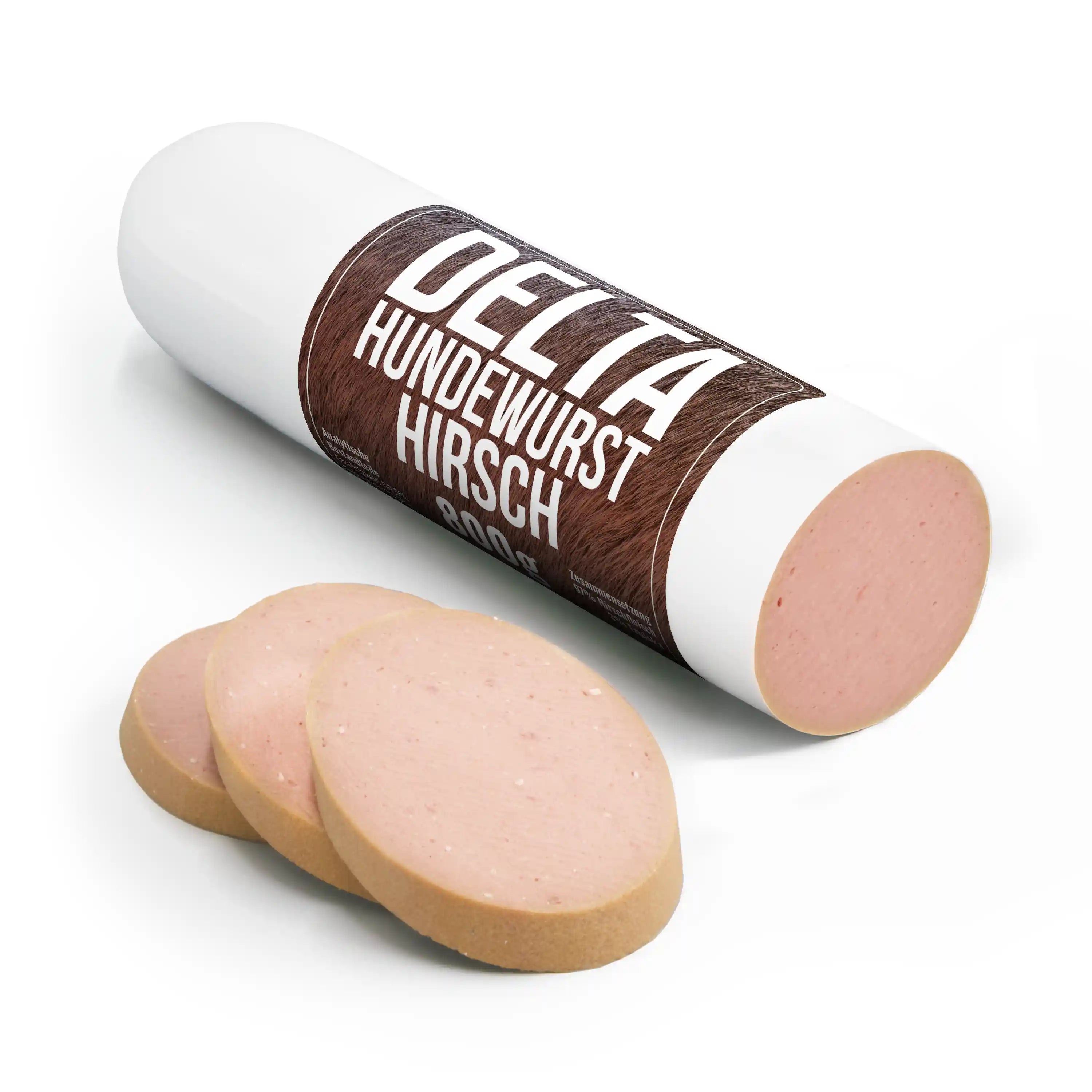

4. Check and adapt the diet
Sometimes bad breath is due to diet. As a dog owner, you can do a lot here:
- Feed high-quality food with ingredients that are as natural as possible.
- Avoid too much sugar and artificial preservatives.
- Consider grain-free or hypoallergenic dog food, as described in our guide to hypoallergenic dog food.
Healthy digestion is also reflected in the smell of the mouth.
5. Regular vet visits
If bad breath persists, you should take your dog to the vet. Dental diseases, abscesses or internal illnesses must be treated professionally.
- Give your dog regular check-ups.
- If in doubt, have a professional dental cleaning done.
Practical dental hygiene tips for dogs – how to manage it in everyday life
The key to effective help against bad breath lies in consistent everyday implementation. Here are my best tips for you:
- Take your time: Get your dog used to dental care gently.
- Positive reinforcement: Reward it with small treats (e.g. here you'll find great firm dog biscuits that are also suitable for dental care: Baking dog biscuits yourself).
- Establish a routine: Fixed times, e.g. in the evening after a walk, help you both.
- Play & chewing opportunities: Keep your dog busy with dental care toys and chew snacks.
- Pay attention to hygiene: Toys and bowls should also be kept clean to prevent bacterial growth.
Frequently asked questions about bad breath and dental hygiene in dogs
Why does my dog's breath smell even though I brush its teeth?
Sometimes health problems are behind it. Diet also plays a role. A visit to the vet is advisable if the smell doesn't improve.
When should I start dental care for my dog?
Ideally from puppyhood, so that the dog gets to know and accept the routine early.
Can I just give my dog human toothpaste?
No! The ingredients can be harmful to dogs. Only use toothpastes developed specifically for dogs.
How often should I brush my dog's teeth?
Daily is ideal. At least 3 times a week can already make a big difference.
Which chew snacks are good for preventing bad breath?
Natural products without sugar and artificial additives, e.g. dried meat or special dental care treats from specialist shops.
Conclusion: fresh breath through care and attention
Bad breath in dogs is not something you should put off. With the right combination of dental hygiene tips for dogs, an adapted diet and, if necessary, veterinary support, you can often tackle the cause – for more well-being and fresh breath for your best friend. Make use of the variety of natural aids, for example high-quality chew snacks from our Snack4Pet range, and consciously focus on regular care routines.
First-class dog chews for happy sniffer noses available here!
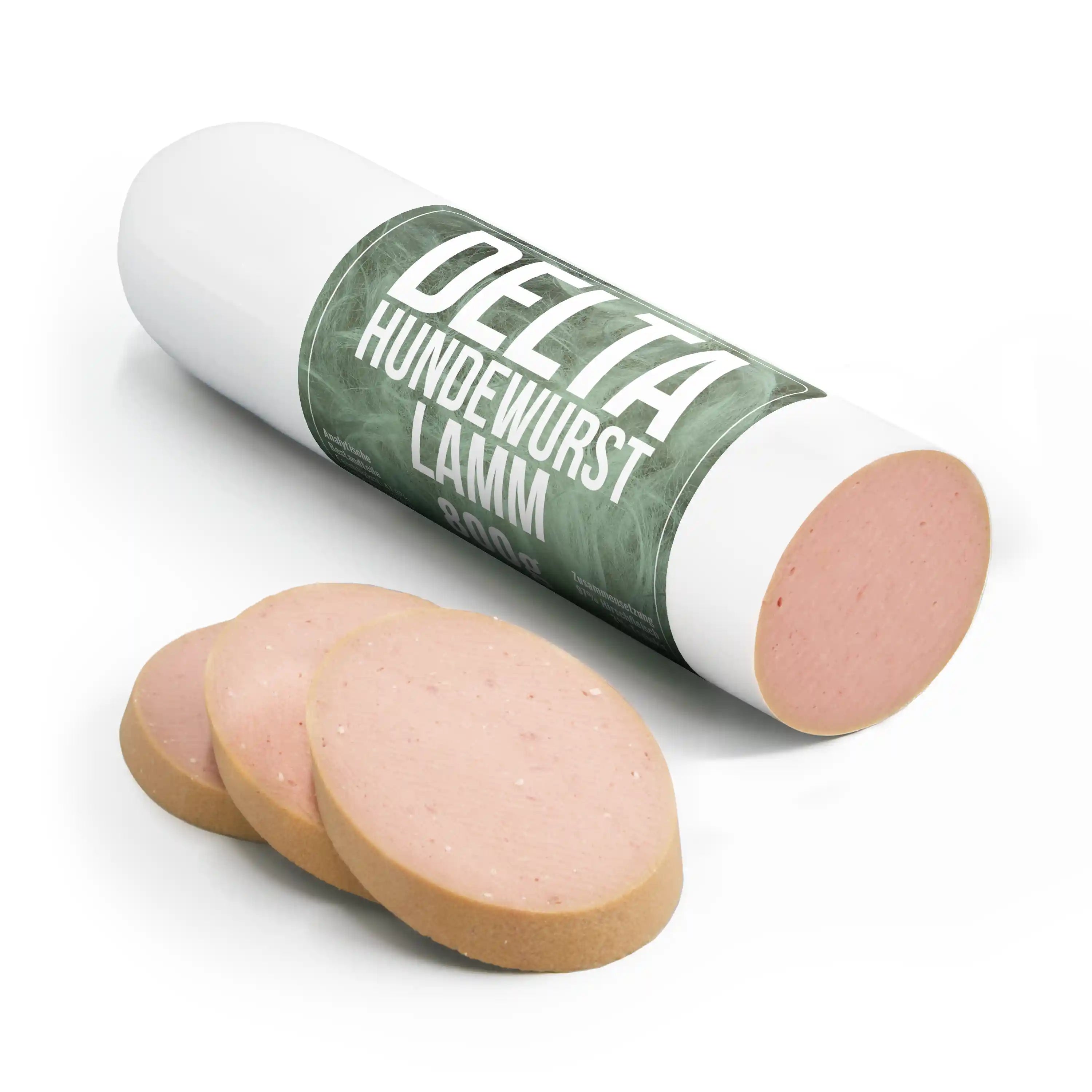
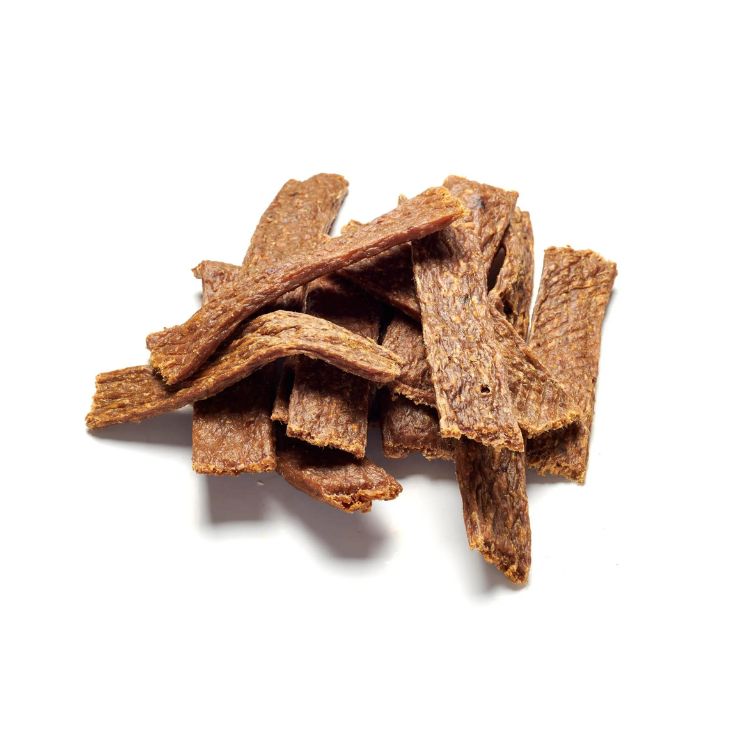
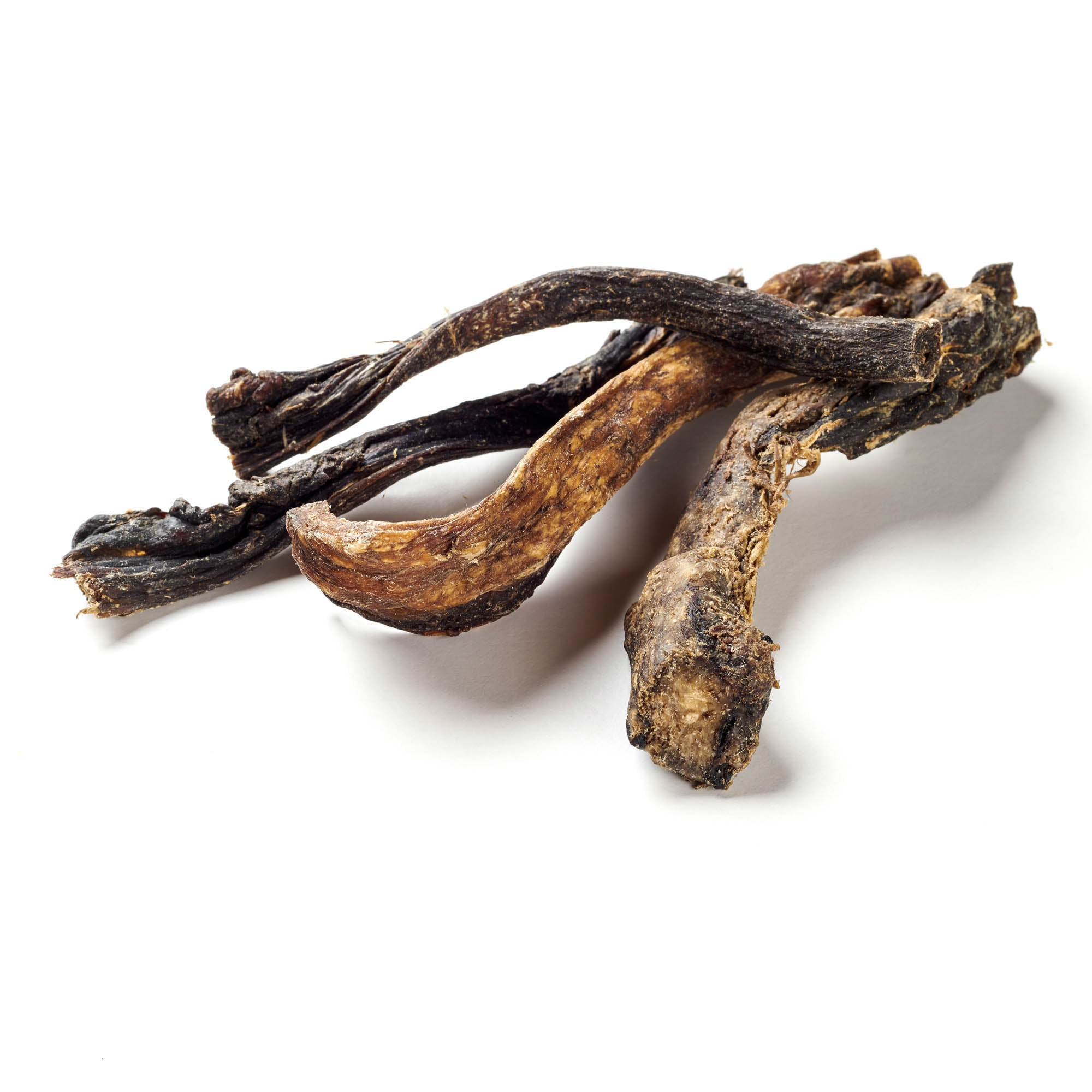
Feel free to browse our further guides in the Snack4Pet blog to discover even more valuable tips about life with dogs. We're also happy to help with questions and personal recommendations – so together with your dog, we'll take every step towards better health.
> Get started now: Start today with small steps towards better dental hygiene for your dog – it will thank you with a happy wag of its tail!