
A Rescue Dog Moves In: The First Weeks and Snacks
The first days with a rescue dog should above all be calm, predictable and safe: your new dog needs time to settle in, a fixed place to retreat to and as little new stuff as possible at first. When it comes to food and snacks, "little and mild" is the rule at the beginning – the familiar food, small portions and easily tolerated treats with just one type of meat. In this guide you will learn how to settle in a rescue dog, which snacks a new dog tolerates and when it can have its first chews.
Content: A Rescue Dog Moves In: The First Weeks and Snacks
- Before arrival: how to prepare everything
- The first days: give it time to arrive
- Food and snacks: what does a new dog tolerate?
- When can the new dog have chews?
- Health and safety in the first weeks
- Frequently asked questions about rescue dogs
- Conclusion: calm, routine and mild snacks
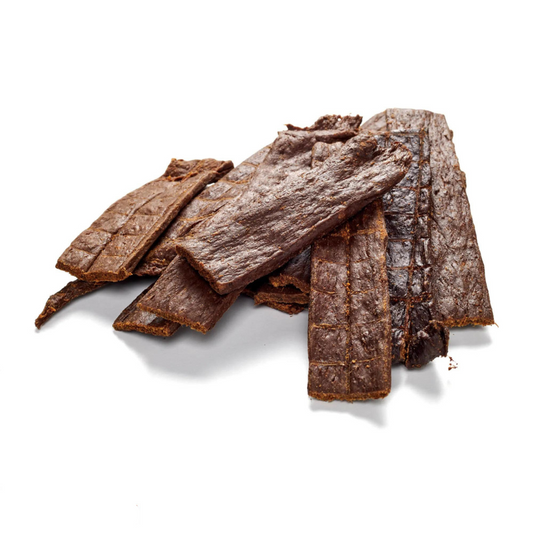
Mild single-protein snacks for the first weeks:


Before arrival: how to prepare everything
A rescue dog settles in most easily when everything is ready before it moves in and you know what it has been eating and how it behaves. That way you won't have to improvise in the first few days.
Checklist for the arrival
- Quiet resting place: a dog bed or blanket in a quiet corner, not in a passageway.
- Secure harness and lead: well fitted, ideally with an extra safety line. Many dogs from abroad are easily startled in the first weeks.
- Previous food: Ask the rescue organisation or foster home which food your dog was last given, and get a small supply of it.
- Bowls and water: fresh water should be available at all times.
- Mild treats: small, soft single-protein snacks, for example from the category rabbit snacks.
- Vet appointment: plan a health check in the first few days.
Dog-proofing your home
Put cables, shoes, medicines, cleaning products and food out of reach. Watch out for open doors and windows: an insecure dog will use any gap to run away. Agree in advance as a family who feeds the dog, who walks it and which rules apply. By the way, you can find out whether a dog from a rescue suits you in the article Adopting street dogs.
The first days: give it time to arrive
In the first days a rescue dog needs above all peace and quiet: few visitors, short walks on familiar routes and the freedom to withdraw. Training and outings can wait.
What helps in the first days
- No programme: Let your dog explore your home at its own pace.
- Short walks: several short rounds in quiet surroundings rather than one long tour.
- Fixed times: Feeding, walks and rest at roughly the same times provide orientation.
- Don't crowd it: Offer contact, but don't demand it. Many dogs seek closeness by themselves if you let them.
- Allow plenty of sleep: Moving is exhausting. Many new dogs sleep a lot in the first days.
Typical behaviour at the beginning
It is normal for your dog to eat little at first, hardly play, be restless at night or hide a lot. Small accidents in the house can also happen, even if the dog was house-trained before. Many dogs only show their true character after a few weeks. If your dog is particularly shy, our guide to building trust with treats offers lots of practical exercises.

Food and snacks: what does a new dog tolerate?
At first, a new dog tolerates its previous food best, along with a few mild treats containing just one type of meat. Stress, travel and change already put a strain on the digestive tract, so you should only introduce new things slowly.
Stick with the familiar food for now
In the early days, feed the food your dog knows from its foster home or shelter whenever possible. If you want to switch later, change over gradually across several days. Exactly how this works is explained in our article Changing your dog's food.
Which snacks are suitable while settling in
| Snack type | Why it suits | Tip |
|---|---|---|
| single-protein cubes | one type of meat, easy to portion | test new varieties one at a time |
| soft snacks | eaten quickly, even under stress | e.g. Softies Rabbit |
| low-fat meat snacks | gentle on a stressed stomach | selection under low-fat chews |
| small sticks | easy to break up for walks | e.g. rabbit meat mini sticks |
Snacks with only one protein source have an advantage: if digestive problems or itching occur, it is easier to narrow down the cause. You can read more about this in Single-protein snacks.
Keep an eye on the amounts
Many owners want to spoil their new dog and reward very generously. In the first weeks, however, the rule is: a few small pieces are better. Deduct the treats from the daily ration and only introduce one new variety at a time. Watch out for stool consistency, itching or vomiting, and talk to your vet if problems persist.
First chews – light, natural and easy to chew:


When can the new dog have chews?
You can give your new dog its first chews as soon as its digestion is stable and it feels safe enough around you – for many dogs after a few days to a few weeks. Start with small, rather soft chews and always stay close by.
How to introduce chews
- Wait for stable digestion: Only add something new once stools and appetite are fine.
- Start small: light chews such as freeze-dried rabbit ears instead of large, hard bones.
- Short chewing time: at first, let your dog chew for just a few minutes and watch how it chews.
- Quiet place: Give chews in the dog bed or in a spot where nobody disturbs it.
- Don't take it away: Many rescue dogs have learned to guard food. If you need something back, swap it for another treat instead.
Safety when chewing
Never give chews unsupervised during the settling-in period, and choose a size that cannot be swallowed whole. In a household with several animals, every dog should be allowed to chew in peace and at a distance from the others. You will find more rules in Leaving your dog alone with chews. Well-tolerated varieties for sensitive dogs are also available in the category hypoallergenic chews.
Health and safety in the first weeks
In the first weeks, a health check at the vet and secure lead handling are especially important, because many rescue dogs are still physically and emotionally fragile.
The first vet visit
- general health check including weight, teeth, skin and coat
- checking vaccination status, microchip and parasite protection
- for dogs from southern and eastern Europe: discussing whether tests for so-called Mediterranean diseases make sense
- questions about feeding, weight and any intolerances
Preventing escapes
In the first weeks there is a high risk that an insecure dog will run off when startled. Only let it off the lead once your bond and recall are reliable. A safety harness, a long line and an ID tag are helpful. Quiet walking routes and small food search games with mini meat cubes also encourage your dog to pay attention to you.
Frequently asked questions about rescue dogs
How do I settle in a rescue dog?
With lots of calm, fixed routines and a safe place to retreat to. Avoid visitors, long outings and training in the first days. Let your dog make contact of its own accord and reward calm behaviour with small treats.
Which snacks does a new dog tolerate?
Ideally small, mild snacks with just one type of meat and little fat, such as rabbit or chicken meat cubes. Introduce new varieties one at a time and only give small amounts at first, so that the stomach can get used to the new situation.
When can it have its first chews?
As soon as its digestion is stable and your dog feels safe, often after a few days to a few weeks. Start with light chews such as rabbit ears, only give them under supervision and pay attention to how your dog chews.
How long does it take a rescue dog to settle in?
A frequently quoted rule of thumb is "3 days, 3 weeks, 3 months": after about three days the initial shock is over, after around three weeks the dog knows the routines, and after about three months many dogs feel truly at home. Some dogs, however, need considerably longer.
My new dog isn't eating – is that normal?
In the first one to two days, many dogs eat little because of the excitement. Offer the familiar food in peace. If your dog doesn't eat for longer, hardly drinks or shows other symptoms, you should see your vet promptly.
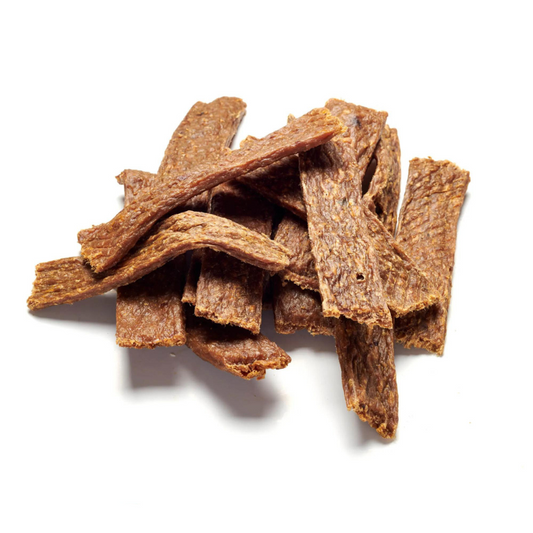
Low-fat snacks for a sensitive stomach:


Conclusion: calm, routine and mild snacks
When a rescue dog moves in, the first days and weeks are a time of arriving. Calm, fixed routines, a secure harness and a health check at the vet lay the foundation. With food, you stick with what your dog knows at first and rely on small, mild single-protein snacks – for example from the categories rabbit and low-fat chews. You introduce chews as soon as digestion is stable, and you always stay nearby while your dog chews. With patience, the insecure newcomer will gradually become a relaxed family dog.
Further reading on this topic:
- Anxious Dog: Building Trust with Treats
- Buy or adopt a dog?
- The Best Natural Dog Treats for Sensitive Stomachs: A Comprehensive Guide
This post was created with the help of AI