
Changing your dog's food: how to avoid diarrhoea
Changing your dog's food can sometimes lead to unpleasant side effects – especially diarrhoea. That's not only annoying for you, it also puts a strain on your beloved four-legged friend. But with the right approach, you can minimise the risk.
In this article, you'll learn step by step how to switch your dog's food without your darling suffering. We'll also give you clear bland diet instructions for dogs that protect and help heal.
Let's go – so your dog stays healthy and happy!
Contents: Changing your dog's food: how to avoid diarrhoea
- Why does changing your dog's food make sense?
- Why diarrhoea is a risk when changing food
- Step-by-step guide: switching your dog's food without diarrhoea
- What to do if the food change doesn't work?
- Practical tips for changing food
- FAQ – frequently asked questions about changing your dog's food
- Conclusion: avoid diarrhoea when changing food with patience and a bland diet
- More helpful links
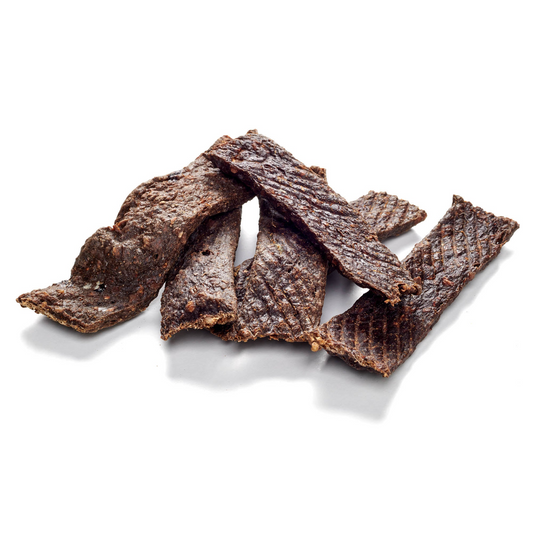
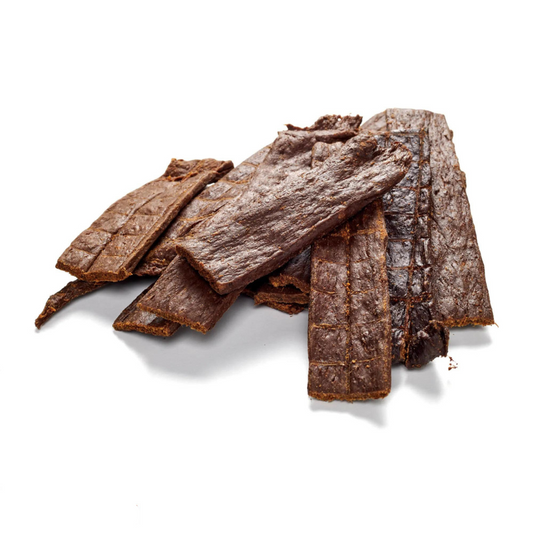
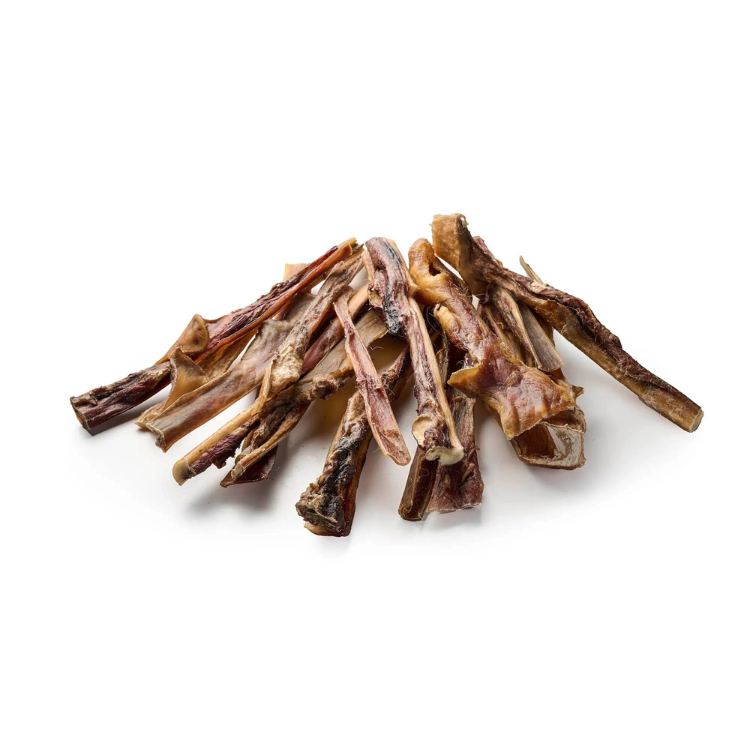
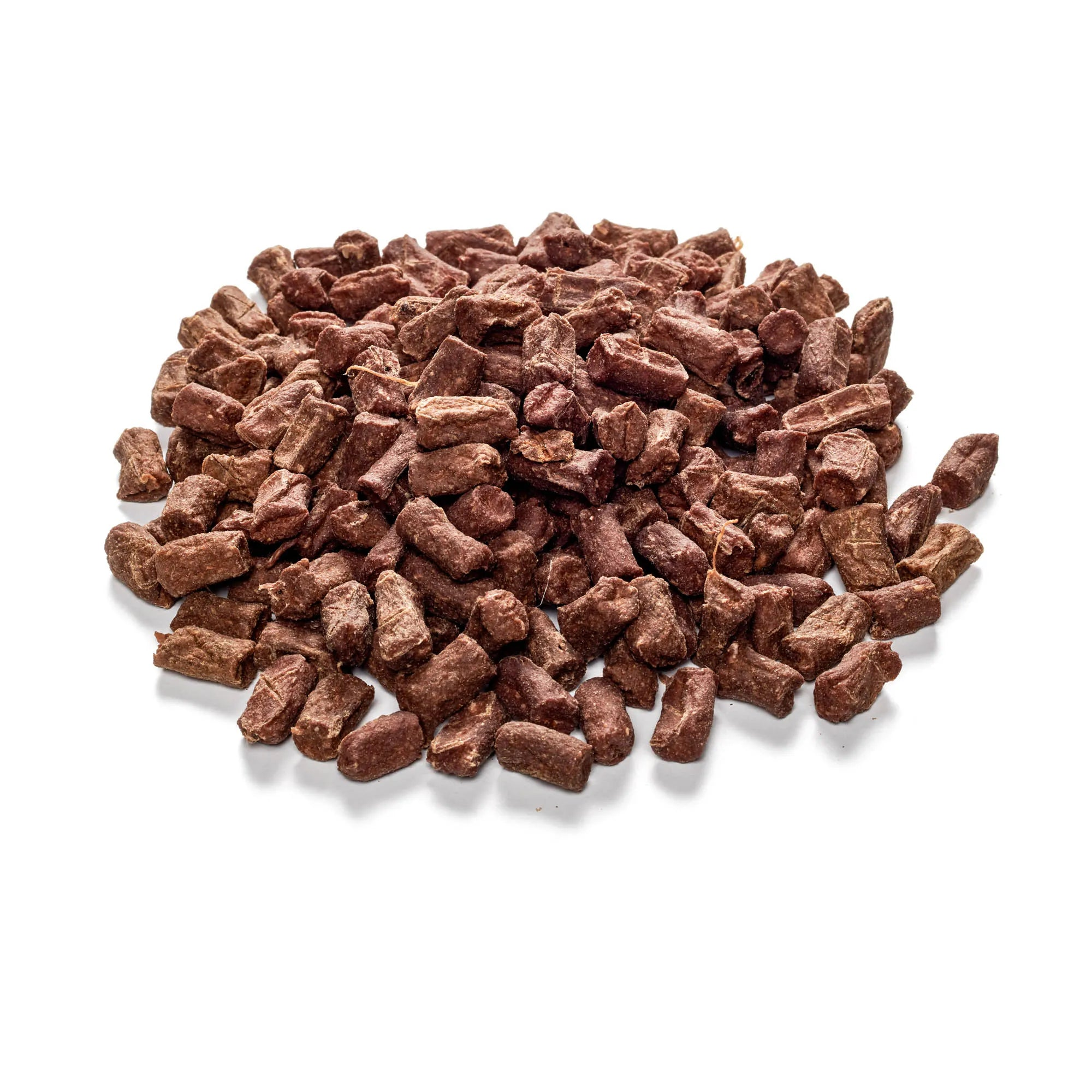
Discover our selection of first-class dog chews!

Why does changing your dog's food make sense?
Sometimes it's unavoidable, whether because of allergies, illnesses, age-related needs or because you want to make the food more sustainable, species-appropriate or higher-quality. But even small changes, for example switching brands or composition, can quickly upset a sensitive dog's stomach.
Common reasons for changing food
- Allergies or food intolerances
- Switching from puppy to adult food
- Special diet for illnesses
- Improving quality or ingredients
- Moving away from grain or towards grain-free food (see also grain-free dog food)
- A more sustainable or vegetarian lifestyle (more in Vegetarian dog food – what you need to know)
Why diarrhoea is a risk when changing food
A dog's stomach is a sensitive organ that needs to get used to new ingredients slowly. Switching too quickly can disrupt the gut flora. The result: flatulence, stomach ache, nausea and diarrhoea.
What happens in the body?
- The gut needs time to adjust to new ingredients
- The enzymes that digest the food adapt
- Increased water absorption in the gut leads to soft stools
- The immune system can be irritated – especially in allergic dogs
But don't worry – with the right preparation and patience, you can prevent such symptoms.
Step-by-step guide: switching your dog's food without diarrhoea
1. Preparation: know the old and the new food
Before you start, find out as much as you can about the new food. What ingredients does it contain? What proportions of protein, fat and fibre? A big switch from dry to wet food or from dry food to BARF usually requires more care.
If you'd like to know more about the different types of food, take a look at our guide to BARF feeding.
2. Gradual transition over 7 to 10 days
Spread the change over at least a week, ideally even 10 days.
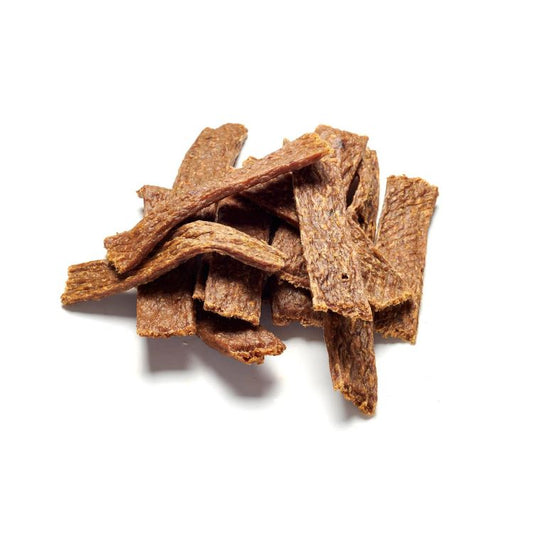
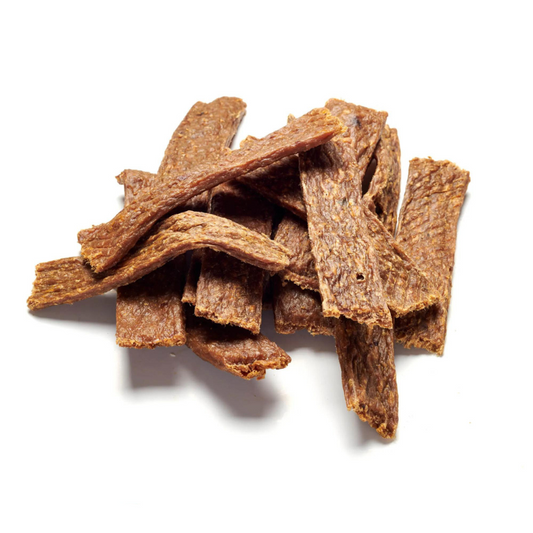
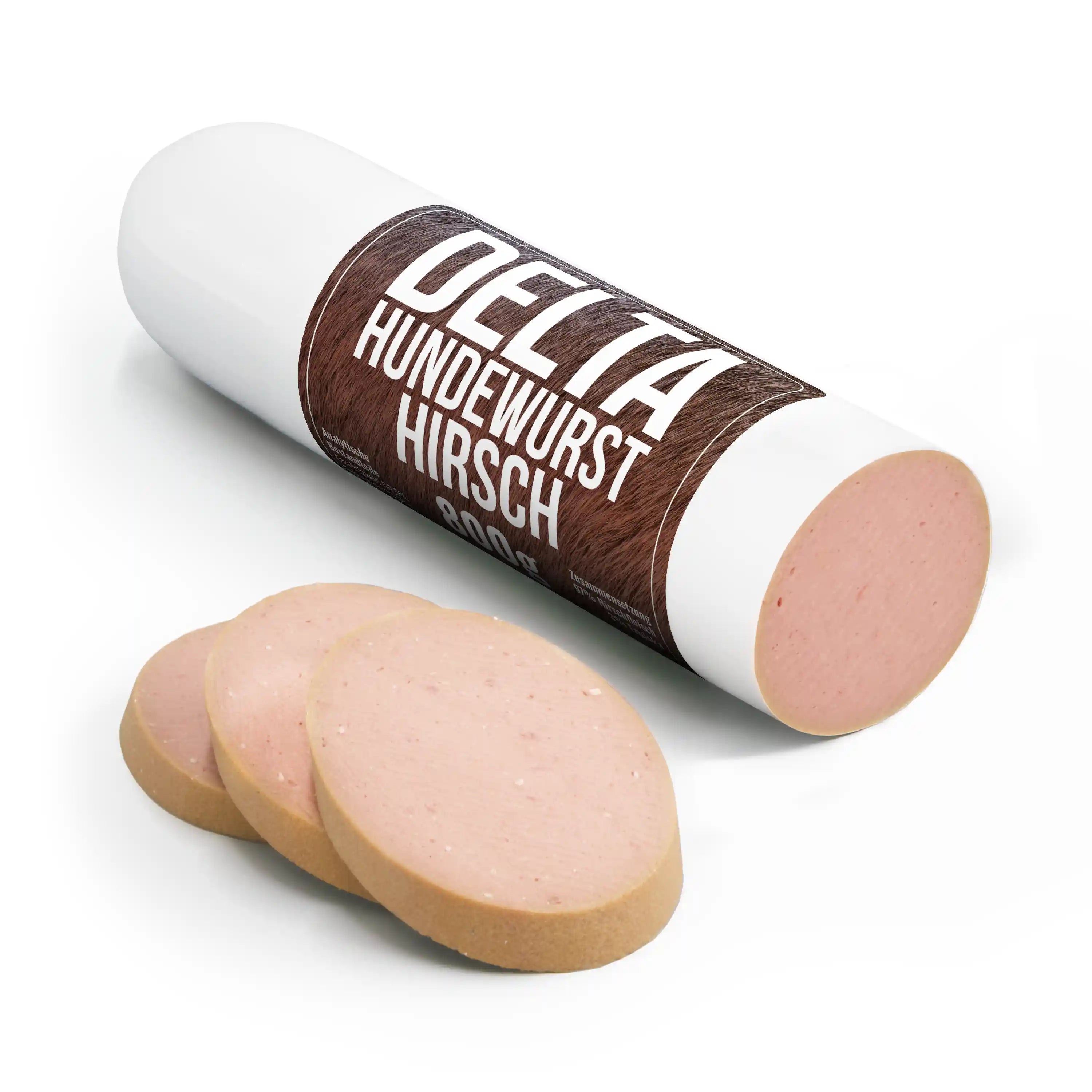
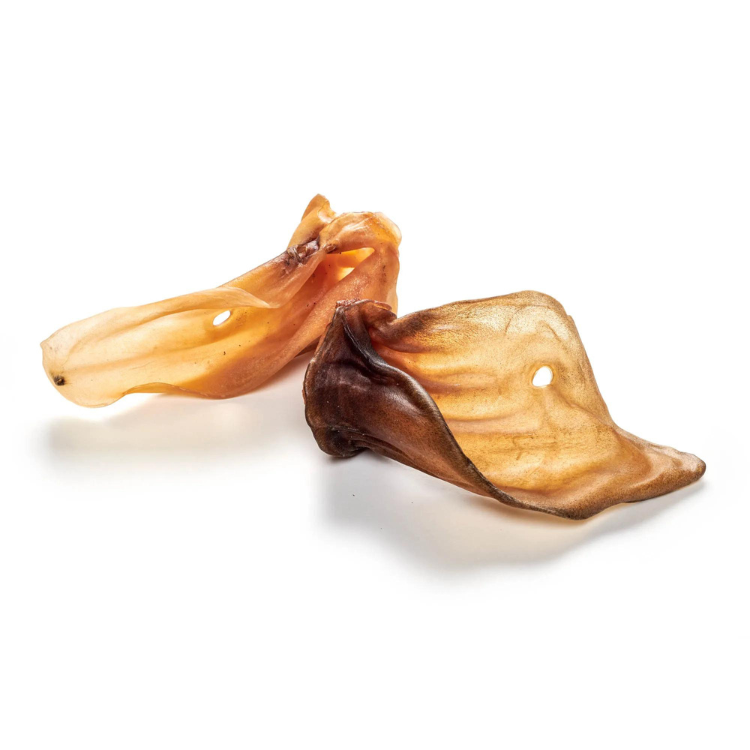
Spoil your four-legged friend with our delicious chews!

- Days 1–3: 75% old food, 25% new food
- Days 4–6: 50% old food, 50% new food
- Days 7–9: 25% old food, 75% new food
- Day 10: 100% new food
This gives the gut time to adapt to the new ingredients.
3. Bland diet instructions for dogs with diarrhoea
If your dog develops problems despite a slow transition, you should switch to a bland diet immediately.
Recommended bland diet options
- Lean chicken: Well cooked, without skin and bones
- Rice or potatoes: Easy to digest and binding
- Carrot purée: Gentle on the gut and low in fibre
- Courgette or pumpkin: Mild and soothing
- A pinch of psyllium husk can further stabilise the stool
A gradual return to normal food is then possible later.
4. Ensure enough fluids
Sufficient water is especially important with diarrhoea. Fresh water should be available at all times. You can give special products such as electrolyte solutions after consulting your vet.
You can read more about water intake in our article How much water does a dog need?.
5. Observe and adjust
Look out for the following symptoms during the transition:
- Loss of appetite
- Vomiting
- Severe diarrhoea or blood in the stool
- Lethargy or other changes in behaviour
If you feel your dog is getting worse, contact the vet.
What to do if the food change doesn't work?
Even if you follow the instructions carefully, problems can occur. Then the following measures help:
- Stop the food change and continue with the old food
- Slower transition: 2 weeks or longer
- Give probiotics to support the gut flora
- Rule out allergens and try hypoallergenic food (see Hypoallergenic dog food – a guide)
- Seek veterinary advice
Practical tips for changing food
- No sudden changes in diet: a dog's digestive system loves routine.
- Give smaller meals: prevents overload and improves tolerance.
- Introduce new treats slowly: they are often the hidden culprit behind diarrhoea.
- Look for high-quality ingredients: at Snack4Pet you'll find a large selection of healthy products (discover our product range).
FAQ – frequently asked questions about changing your dog's food
How long does it take for my dog to get used to the new food?
Usually 7–14 days, for sensitive dogs up to 3 weeks.
Can I give my dog extra vitamins during the transition?
Basically yes, but ideally only on the vet's recommendation. Too much can be harmful.
What are warning signs of serious problems when changing food?
Bloody diarrhoea, persistent vomiting, severe weakness or fever are acute warning signs.
Which bland diet is particularly suitable for sensitive dogs?
Lean chicken with rice or potatoes, supplemented with puréed vegetables such as pumpkin or carrots.
Conclusion: avoid diarrhoea when changing food with patience and a bland diet
Changing your dog's food is a process that requires a lot of consideration. By proceeding slowly, relying on a gentle bland diet and paying attention to your dog's needs, you minimise the risk of diarrhoea and other digestive problems.
The best thing is to start planning today and read more about species-appropriate dog food in our extensive blog section Info all about dogs.
Your dog will thank you! Feed it with love and the right food – at Snack4Pet you'll find not only tips, but also suitable products.
Discover the range of dog snacks in our shop!
More helpful links
- Hypoallergenic dog food – a guide
- BARF feeding – what you need to know
- How much water does a dog need?
Take the first step towards a healthy food transition and have a look around Snack4Pet – for the well-being of your four-legged friend!