
Physiotherapy for dogs: exercises with treats
Physiotherapy for dogs helps build muscle, keep joints mobile and get moving safely again after injuries or surgery. After checking with your vet or a canine physiotherapist, you can do many simple exercises at home – small, soft treats keep your dog motivated and the movements clean.
Content: Physiotherapy for dogs: exercises with treats
- What is physiotherapy for dogs?
- When is physiotherapy useful for dogs?
- Physiotherapy for dogs: 6 exercises for home
- Using treats the right way: motivation during physio exercises
- Safety: what to watch out for during physio exercises
- Frequently asked questions about physiotherapy for dogs
- Conclusion: physiotherapy for dogs with patience and rewards
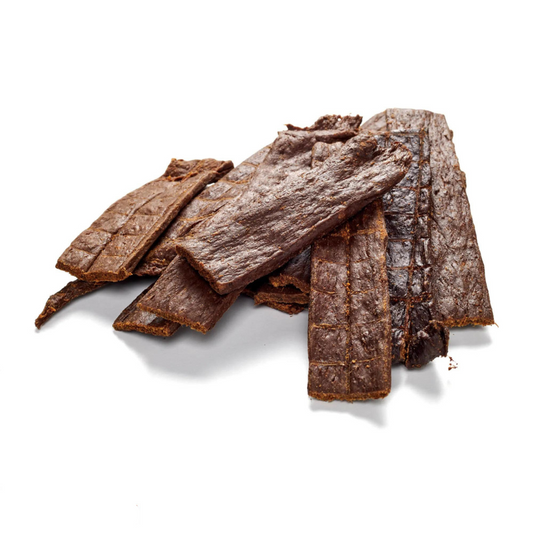
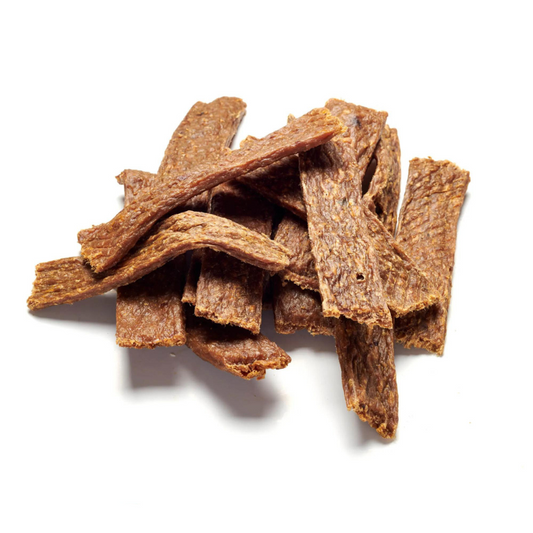
Soft training treats that are ideal for short exercise sessions:


What is physiotherapy for dogs?
Physiotherapy for dogs is a form of treatment that uses targeted movement, manual techniques and exercises to improve your dog's mobility, strength and coordination. It does not replace a veterinary diagnosis, but it is a useful addition to many treatments.
What does canine physiotherapy involve?
- Active exercises: Your dog moves on its own, for example weaving through a slalom, stepping over poles or balancing.
- Passive movement: The therapist gently moves the joints without the dog having to use any strength itself.
- Manual techniques: Massage and gentle mobilisation loosen tense muscles.
- Other methods: Clinics use things like underwater treadmills or heat and cold treatments.
Exercises at home as a supplement
A large part of the progress happens between appointments. That is why many therapists give you an exercise programme for home. The goal: regular, short sessions that challenge your dog without overdoing it. You will find general ideas for exercising together in our article Dogs and fitness: The best workouts together.
When is physiotherapy useful for dogs?
Physiotherapy is particularly useful for dogs after surgery, with joint problems, in old age and for targeted muscle building – whenever movement should be encouraged but kept under control.
Typical reasons
- After surgery: for example after procedures on the cruciate ligament, the hip or the spine.
- With joint disease: such as arthritis or hip and elbow dysplasia, to maintain muscle and mobility.
- In old age: Senior dogs often lose muscle mass and become less steady on their feet.
- With excess weight: Joint-friendly exercises support weight loss.
- For sporting dogs: to warm up, strengthen and help prevent injuries.
See the vet first
If your dog is lame, in pain or has just had surgery, be sure to talk to your vet before the first session. They can judge how much exercise is allowed and refer you to a specialised canine physiotherapist. How diet can additionally support the joints is explained in Joint problems in dogs: how nutrition can help.
Physiotherapy for dogs: 6 exercises for home
Calm exercises that improve balance, body awareness and strength are best suited to physiotherapy at home. Start with just a few repetitions and build up slowly.
1. Sit – stand – sit (squats for dogs)
Let your dog slowly stand up from a sit and sit down again. This strengthens the hindquarters. Make sure your dog sits straight and does not tip to one side. A treat in front of the nose guides it calmly upwards.
2. Weight shifting while standing
Your dog stands calmly on all four paws. Slowly move a treat to the side, towards the shoulder or hip, so that your dog shifts its weight slightly without taking a step. This exercise trains the stabilising muscles.
3. Cavaletti: stepping over poles
Lay several broomsticks or poles flat on the ground, about one stride apart. Walk your dog slowly over them. It has to lift its paws deliberately – great for coordination and mobility.
4. Slalom at a walk
Set up a few cones or bottles and guide your dog slowly through them in a slalom. The sideways bending improves the mobility of the spine.
5. Balancing on a soft surface
A folded towel, a mattress or a flat balance cushion is enough. Let your dog stand on it first with its front paws, later with all four paws. Always stay right next to your dog.
6. Walking backwards
A few slow, straight steps backwards strengthen the hindquarters and body awareness. A narrow corridor between the sofa and the wall helps keep the direction.
Overview: duration and repetitions
| Exercise | Mainly trains | Starting point |
|---|---|---|
| Sit – stand – sit | Hindquarters | 3–5 repetitions |
| Weight shifting | Stability | 3–5 times per side |
| Cavaletti | Coordination | 2–3 rounds |
| Slalom | Mobility | 2–3 rounds |
| Balancing | Balance | 10–20 seconds |
| Walking backwards | Hindquarters, body awareness | 3–5 steps |
These figures are only rough guidelines for healthy dogs. For dogs in rehab, the therapist decides on the amount and choice of exercises.
Using treats the right way: motivation during physio exercises
Treats motivate your dog best during physio exercises when they are small, soft and quickly eaten – that way the focus stays on the movement and not on chewing.
Which treats are suitable?
- Soft rather than hard: Soft softies can be swallowed straight away without your dog leaving its position.
- Small portions: Pea-sized pieces are perfectly enough. Many training snacks are already cut to a suitable size.
- Easy to digest: For sensitive dogs, treats with a single protein source help, such as Softies Rabbit.
- Keep an eye on calories: Especially during rehab your dog moves less. Deduct the treats from the daily ration.
The treat as a guide
When luring, you hold the treat right in front of your dog's nose and use it to guide your dog into the desired position. This creates calm, controlled movements. Reward at exactly the moment the movement is performed cleanly. You can read more about the right timing in Training snacks for dog training.
Small training snacks for luring and rewarding:


Motivation without food
Not every dog is food-driven. Calm praise, stroking or a short game after the session are also valuable rewards. End every session with an exercise your dog can do confidently – that way the training stays a positive memory.
Safety: what to watch out for during physio exercises
Physio exercises for dogs are safe when they are short, slow and done on a non-slip surface, and when you stop immediately at any sign of pain.
The most important rules
- Consult your vet: Especially after surgery, the vet decides what is allowed.
- Train on non-slip ground: Carpet, a yoga mat or grass instead of smooth tiles.
- Keep it short: Several sessions of a few minutes are better than one long one.
- Warm up: A few minutes of calm walking before the exercises.
- Build up slowly: First increase the repetitions, then the difficulty.
- Stop at warning signs: Panting without effort, limping, trembling, avoiding or licking joints are reasons to take a break and call your vet.
Special considerations for senior dogs
Older dogs benefit greatly from gentle exercises but need more breaks. Soft rewards are especially pleasant for them. You will find suitable snacks in the category chews for old dogs and in our guide Soft treats for senior dogs.
Frequently asked questions about physiotherapy for dogs
Which physio exercises can I do at home?
Calm exercises such as sit – stand – sit, weight shifting while standing, slowly stepping over ground poles, a slalom at a walk, balancing on a towel and a few steps backwards are well suited. Start with a few repetitions and, if your dog has existing conditions, have the selection confirmed by your vet or canine physiotherapist.
How do I motivate my dog during exercises?
With small, soft treats that it can eat quickly, and with short, varied sessions. Reward the clean movement, not just the end of the exercise. Praise and a calm voice also help, especially with insecure dogs.
When is physiotherapy useful?
Physiotherapy is useful after surgery, with joint diseases such as arthritis, with age-related muscle loss, with excess weight and for sporting dogs. Whether and to what extent is best decided together with your vet.
How often should I exercise with my dog?
For many dogs, one or two short sessions of about five to ten minutes a day are a good framework. Regularity matters more than duration. During rehab, the therapist sets an individual plan.
How many treats can I give during training?
All snacks together should only provide a small part of the daily energy. Use very small pieces and deduct the amount from the food ration. As a rule of thumb, snacks provide no more than about 10 percent of the daily energy.
Soft softies for seniors and sensitive dogs:


Conclusion: physiotherapy for dogs with patience and rewards
Physiotherapy for dogs strengthens muscles, coordination and mobility – after surgery as well as in old age or as prevention. With simple exercises, a non-slip surface and small, soft treats such as Softies Poultry or the Chicken training snack, training at home becomes a lovely time together. Check with your vet, build up slowly and pay attention to your dog's signals. You will find more small rewards in the category mini meat cubes.
Further reading on this topic:
- Dogs and fitness: The best workouts together
- Joint problems in dogs: how nutrition can help
- Vet training at home: examining paws, ears and mouth
This post was created with the help of AI