
Can Dogs Eat Peanut Butter?
Peanut butter for dogs is fine in small amounts as long as it contains nothing but peanuts and, above all, no xylitol. The sweetener xylitol (birch sugar) is life-threatening for dogs even in tiny quantities, and peanut butter is also very high in fat and calories. Here you will learn what to look for on the label, how much peanut butter your dog can have and which alternatives work for a Kong or lick mat.
Content: Can Dogs Eat Peanut Butter?
- Is peanut butter good for dogs?
- Why is xylitol so dangerous for dogs?
- Choosing the right peanut butter for dogs
- How much peanut butter can a dog have?
- Kong and lick mat: using peanut butter wisely
- Frequently asked questions about peanut butter for dogs
- Conclusion: peanut butter only pure and in small amounts
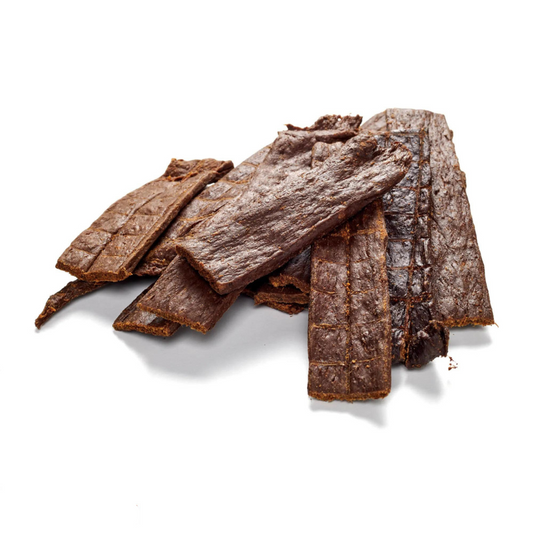
Soft meat cubes as an alternative to peanut butter:


Is peanut butter good for dogs?
Peanut butter is not toxic to dogs, but it is not a particularly healthy snack either: it is a treat that belongs on the menu only in small amounts because of its high fat content.
What is in peanut butter?
Botanically speaking, peanuts are not nuts but legumes. Ground up, they make a paste rich in fat, plant protein, vitamin E and fibre. Around half of it is fat, so at roughly 600 kcal per 100 g peanut butter supplies a lot of energy. For your dog this means one teaspoon quickly becomes a noticeable share of the daily treat budget.
Why dogs love peanut butter so much
The intense, slightly salty and fatty taste makes peanut butter irresistible to many dogs. Its sticky texture also keeps your dog licking for a long time, which is exactly why it is popular in food toys and on lick mats. How peanuts differ from real nuts such as macadamias or walnuts is explained in our article Which nuts can dogs eat?.
Possible downsides
- Lots of fat: Large amounts can cause diarrhoea and may contribute to pancreatitis in sensitive dogs.
- Lots of calories: Regular extras easily lead to weight gain.
- Additives: Salt, sugar, palm oil and sweeteners have no place in a dog bowl.
- Allergies: Rare but possible – watch your dog the first time.
Why is xylitol so dangerous for dogs?
Xylitol is dangerous for dogs because it triggers a massive release of insulin, causing blood sugar to drop sharply within a short time; in larger amounts it can also damage the liver.
Where xylitol may be hidden
Xylitol is used as a sugar-free sweetener and often appears on labels as “birch sugar”, “xylitol” or “E 967”. Besides some “no added sugar” or “light” peanut butters, it is found in chewing gum, sweets, sugar-free baked goods, toothpaste and some protein products. So the well-intentioned, reduced-sugar version can be especially risky for your dog.
Signs of xylitol poisoning
The first symptoms can appear within 30 to 60 minutes:
- vomiting and restlessness
- weakness, staggering or trembling
- lethargy
- seizures
- later possible signs of liver damage
What to do in an emergency
- Stay calm: Take the packaging or jar with you so the vet can see the ingredients.
- Go to the vet immediately: Do not wait for symptoms – with xylitol every minute counts.
- Do not induce vomiting yourself: Leave that decision to the vet.
You will find more hazards from the kitchen and pantry in our big checklist of toxic foods, and general advice on what to do in an emergency in the article Poisoning in dogs.
Choosing the right peanut butter for dogs
The right peanut butter for dogs consists of 100 percent peanuts and contains no salt, sugar, sweeteners or additives.

What to look for when buying
- Check the ingredients: If it only says “peanuts”, that is ideal.
- Choose unsalted: Lots of salt puts unnecessary strain on your dog.
- No xylitol: Look out for every name, such as birch sugar, xylitol or E 967.
- No blends: Versions with chocolate, honey, spices or raisins are off-limits.
- Freshness: Throw away peanut butter that smells rancid or shows mould.
Smooth or crunchy?
For most dogs the smooth version is more practical because it spreads thinly. Crunchy peanut butter is not dangerous, but it is less suitable for very small dogs or dogs that gulp their food.
Making peanut butter yourself
If you want to be completely sure, simply grind unsalted roasted peanuts in a blender or food processor. After a few minutes the nuts turn into a creamy paste – with no salt, sugar or oil. Keep homemade peanut butter tightly sealed in the fridge and use it up within about two weeks. Make sure the peanuts are of good quality: mouldy or musty-smelling nuts may contain mould toxins and belong in the bin.
How much peanut butter can a dog have?
How much peanut butter a dog can have depends on its size: as a rough guide, about half a teaspoon for small dogs, one teaspoon for medium-sized dogs and up to one tablespoon for large dogs – and only occasionally, not every day.
| Dog size | Amount per serving (approx.) | Frequency |
|---|---|---|
| small (up to 10 kg) | ½ teaspoon | occasionally |
| medium (10–25 kg) | 1 teaspoon | occasionally |
| large (over 25 kg) | up to 1 tablespoon | occasionally |
Follow the 10 percent rule
All treats together should provide no more than about 10 percent of daily energy. If your dog gets peanut butter in a food toy on a given day, other snacks should be smaller. For overweight dogs, dogs with pancreatitis or dogs on a diet, it is best to discuss extras with your vet. You will find lean alternatives in our low-fat chews category.
Introduce it slowly
The first time, give only a tiny dab and watch whether your dog tolerates the peanut butter well. Soft stools, itching or vomiting are a sign that you should rather do without it.
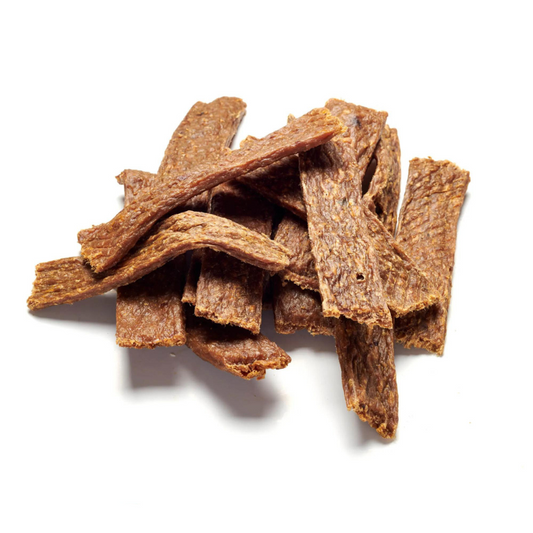
Natural chews as a reward with long-lasting chewing fun:


Kong and lick mat: using peanut butter wisely
Peanut butter makes the most sense in a Kong or on a lick mat, because a thin layer keeps your dog busy for a long time while the amount stays small.
How to fill a Kong
- Build a base: Fill most of the Kong with part of the regular food or with soft meat cubes.
- Seal it thinly: Close the opening with a small amount of peanut butter.
- Freeze it: Frozen, it takes much longer to lick out.
- Supervise: At first, only give food toys when you are around.
We have collected many more filling ideas in our guide Filling a Kong.
Soft snacks for filling a Kong and lick mat:


Alternatives without peanut butter
You do not need peanut butter to make your dog happy. Mashed Softies can be mixed with a little water into a spreadable paste. Training Softies Ricotta or small pieces of Deer meat cubes soft also work well in a food toy. More ideas can be found under training snacks.
Frequently asked questions about peanut butter for dogs
Is peanut butter good for dogs?
In small amounts, pure peanut butter without additives is harmless for healthy dogs and a popular reward. Because of its high fat content, however, it is not really healthy. It remains an occasional extra.
Why is xylitol dangerous for dogs?
In dogs, xylitol causes a strong release of insulin and thus dangerously low blood sugar, and in larger amounts liver damage. Even small amounts can be life-threatening. If your dog has eaten xylitol, go to the vet immediately.
How much peanut butter can a dog have?
As a guide, about ½ teaspoon for small dogs, 1 teaspoon for medium-sized dogs and up to 1 tablespoon for large dogs. Peanut butter should only be given occasionally and counted towards the daily treat budget.
Can puppies eat peanut butter?
Puppies may try a tiny amount of pure peanut butter once they tolerate solid food well. Their digestive tract is sensitive, though, so small, easily digestible snacks are usually the better choice.
Can dogs eat whole peanuts?
Unsalted, shelled peanuts are not toxic, but they can be hard to digest and small dogs may choke on them. Salted, seasoned or chocolate-coated peanuts are off-limits.
Conclusion: peanut butter only pure and in small amounts
Peanut butter for dogs is allowed if it consists only of peanuts, is unsalted and is guaranteed to contain no xylitol. Because of its high fat and calorie content, it belongs in a food toy in small portions and not in the bowl every day. Read the label carefully every time and go to the vet immediately if you suspect xylitol. For everyday chewing fun, natural chews such as the Bovine Achilles tendon or snacks from our chewing fun category are a lovely alternative.
Further reading on this topic:
- How to Fill a Kong: Ideas for Food Toys with Treats
- Which nuts can dogs eat?
- Christmas baking: which ingredients are dangerous for dogs
This post was created with the help of AI