
Paw licking in dogs: can diet be to blame?
Paw licking in dogs can indeed be linked to diet: a food allergy often shows up as itchy paws, frequently together with ear problems or an itchy belly. Just as often, however, environmental allergies, parasites, injuries, road salt or boredom are behind it. Here you will learn how to distinguish normal grooming from excessive licking, what role food plays and when you should see your vet.
Content: Paw licking in dogs: can diet be to blame?
- Why does my dog keep licking his paws?
- Can food cause paw licking?
- Paw licking and diet: how to find the trigger
- What helps against paw licking in everyday life?
- Frequently asked questions about paw licking in dogs
- Conclusion: take paw licking seriously and find the cause
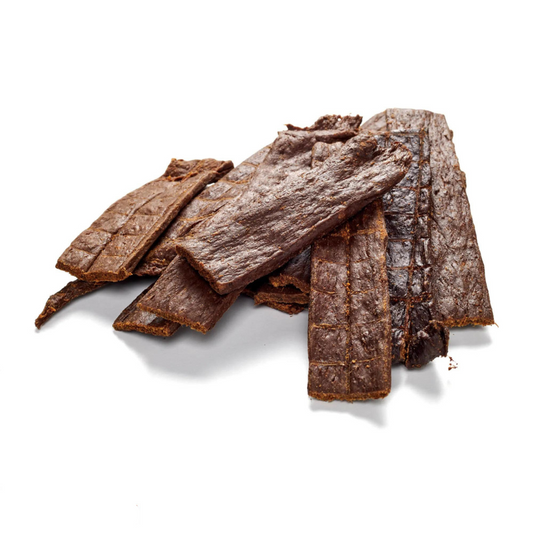
Chews from well-tolerated protein sources:


Why does my dog keep licking his paws?
A dog keeps licking his paws when they itch, hurt or are irritated – common reasons are allergies, parasites, inflammation between the toes, foreign bodies or stress and boredom.
Normal grooming or a problem?
It is perfectly normal for a dog to briefly lick his paws clean after a walk. You should pay attention if he licks again and again, very intensively or even at night, nibbles at his paws or the skin between his toes is red. With light-coloured fur, saliva often turns the hair reddish-brown – a typical sign of frequent licking.
The most common causes
- Allergies: to food ingredients or environmental substances such as pollen, grasses and house dust mites.
- Parasites: for example harvest mites, which mainly infest the spaces between the toes in late summer and autumn.
- Infections: yeasts or bacteria often settle on skin that is already irritated.
- Foreign bodies and injuries: grass awns, splinters, small cuts or torn claws.
- Winter irritation: road salt, cold and dry heating air.
- Pain: some dogs lick over joints that hurt.
- Stress and boredom: licking can be soothing and turn into a habit.
Many of these causes also trigger general itching. You can read more about this in our post Why is my dog scratching himself?.
Can food cause paw licking?
Yes, food can cause paw licking, especially with a food allergy, where the immune system reacts to a certain protein and the itching often appears on the paws, ears, armpits and belly.
Typical signs of a food allergy
- Year-round itching, regardless of season and pollen count
- Recurring ear infections in addition to paw licking
- Digestive problems such as soft stools or frequent bowel movements
- Hardly any improvement despite parasite treatment
You will find more signs in our guide 5 signs of a food allergy.
Food or environmental allergy?
Food and environmental allergies look very similar, and some dogs have both. One clue can be the timing: environmental allergies are often seasonal, for example during pollen season, whereas a food allergy persists all year round. However, they can only be reliably distinguished with veterinary help.
What treats have to do with it
Treats and chews are often forgotten when looking for the trigger. Yet even a daily chew from a problematic type of meat can keep the itching going, even if the main food is well tolerated. So write down really everything your dog eats.
Paw licking and diet: how to find the trigger
The most reliable way to find out whether paw licking comes from diet is an elimination diet, which you carry out together with your vet after other causes have been ruled out.
How an elimination diet works
- Rule out other causes: the vet should first clarify and treat parasites, infections and injuries.
- Choose a new protein source: one type of meat and one carbohydrate source your dog has never eaten.
- Stay consistent: at least eight weeks of this diet only – without table scraps, chews or treats of other kinds.
- Observe: record whether the paw licking decreases.
- Provocation: afterwards, previous food components are reintroduced one at a time to find the trigger.
You will find detailed information in our post Elimination diet for dogs with allergies.
Suitable rewards during the diet
During the elimination diet, your dog may only have treats made exactly from the chosen protein source. If you choose horse, for example, pure horse snacks are suitable. With lamb, a lamb scalp works well as a chew. With ostrich, ostrich stomachs are one option. You will find snacks from just one animal in the lamb, horse and ostrich categories. Check with your vet beforehand which type fits your diet plan.
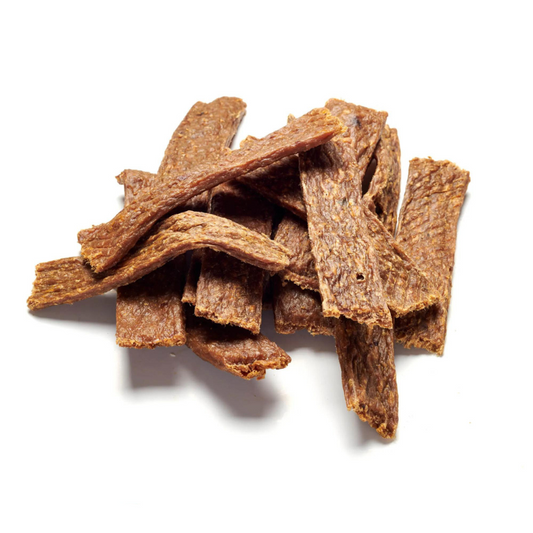
Single-protein snacks for the time after the diet:


What helps against paw licking in everyday life?
In everyday life, good paw care, avoiding known triggers, well-tolerated treats and enough activity help against paw licking – but the actual cause should always be clarified.
Paw care
- After a walk: rinse the paws with lukewarm water and dry them thoroughly, especially between the toes.
- In winter: wash off road salt and protect the pads with a suitable paw balm.
- Trim the fur: long fur between the pads collects dirt and moisture.
- Check regularly: this way you will spot grass awns, redness or small injuries early.
How cold and salt affect the paws is explained in our post Cold and road salt for dog paws.
Choose well-tolerated treats
If you know which types of meat your dog tolerates well, stick to snacks from exactly these animals. Single-protein snacks such as deer lung, cut make it easy to keep track. Our hypoallergenic chews category offers an overview. Offal such as lung or liver is also available from a single animal – but feed liver only sparingly because of its high vitamin A content.
Activity against boredom
If your dog licks mainly when he is alone or bored, enough exercise, sniffing games and chews help. Chewing can relieve tension and distracts from licking. Only give chews under supervision, though.
When to see the vet
See your vet if the paw licking lasts longer than a few days, the paws are red, swollen, warm or weeping, smell unpleasant, your dog is limping or a wound is visible. Constant licking keeps the skin moist and can encourage infections.
Frequently asked questions about paw licking in dogs
Why does my dog keep licking his paws?
Usually the paws itch or hurt. Common causes are allergies to food or environmental substances, parasites such as harvest mites, infections, foreign bodies or irritation from road salt. Stress and boredom can also be behind it.
Can food cause paw licking?
Yes, a food allergy often shows up on the paws, frequently together with ear problems or an itchy belly. Whether food is to blame can be clarified with an elimination diet under veterinary supervision. Don't forget to include treats and chews.
When should I take my dog to the vet?
If the licking lasts longer than a few days or you notice redness, swelling, wounds, odour or limping. Brown discolouration of the fur and recurring ear infections are also a reason for a visit.
What can I do right away about paw licking?
Rinse the paws with lukewarm water, dry them well and check them for foreign bodies. Offer your dog something to do, such as a well-tolerated chew. Home remedies are no substitute for a diagnosis if the licking continues.
Which treats make sense for paw licking?
Treats from a single protein source that your dog demonstrably tolerates well, without additives, make sense. During an elimination diet, only snacks from the diet protein source are allowed.
Conclusion: take paw licking seriously and find the cause
Paw licking in dogs can come from diet, but it is by no means always a question of food. Environmental allergies, parasites, infections or winter irritation are often behind it. Have the cause clarified by your vet and, if a food allergy is suspected, use a consistent elimination diet – including suitable treats. With good paw care, well-tolerated single-protein snacks and enough activity, many dogs quickly settle down.
Further reading on this topic:
- Chews for dogs with allergies: how to find the right ones
- Food allergies in dogs
- Chewing against stress: how chews calm dogs
This post was created with the help of AI