
Dog Chews for Pet Professionals: Schools, Kennels, Groomers
Dog chews for dog schools, boarding kennels or grooming salons should above all be well tolerated, easy to portion, low in odour and available in larger quantities. Snacks made from a single animal species, sliceable dog sausage and small meat sticks have proven themselves. Here you can find out what pet professionals should look for in treats and chews and which snacks are suitable for training, care and grooming.
Content: Dog Chews for Pet Professionals: Schools, Kennels, Groomers
- Which dog chews do pet professionals need?
- Which snacks are suitable for dog schools?
- What should boarding kennels look for in dog chews?
- Treats at the grooming salon: care with positive associations
- Bulk packs, storage and hygiene
- Frequently asked questions about dog chews for pet professionals
- Conclusion: the right snacks for everyday professional work
Dog sausage in large packs for professionals:


Which dog chews do pet professionals need?
Pet professionals need chews and snacks that work reliably for many different dogs: well tolerated, easy to dose, hygienic to handle and kept in sufficient stock.
The key requirements
- Tolerance: Snacks made from a single animal species are easier to assess for allergic dogs.
- Portioning: Sausages, sticks and cubes can be divided into small pieces.
- Odour and cleanliness: Low-crumb, low-odour snacks are more pleasant indoors.
- Stock: Larger packs save ordering effort and packaging.
- Shelf life: Dried snacks store well, opened sausages belong in the fridge.
In our category For Pet Professionals we have put together products that are particularly suitable for working with many dogs.
Agreements with owners
Whether it's a class, a kennel or a salon: check in advance whether a dog has allergies, intolerances or health restrictions and whether it is allowed treats at all. A short note in the customer file prevents misunderstandings. If you only feed with the owner's consent, you are on the safe side.
Which snacks are suitable for dog schools?
Small, soft snacks that are eaten quickly are best for dog schools – such as sliced dog sausage, mini meat cubes, soft treats and thin meat sticks – because they allow many repetitions without long chewing breaks.
Snacks for lessons
In group training, speed matters: the dog should eat the reward immediately and pay attention again. Hard chews tend to get in the way here. Dog sausage that you cut into small cubes before the lesson has proven itself. Our post Dog sausage as a training reward explains how to portion it correctly.
Recommending snacks to class participants
Many owners ask at dog school which treats they should use. A small selection of recommendations helps: soft rewards for difficult exercises, small dry snacks for everyday use. Our guide Dog school treats offers an overview for beginners. Suitable products can be found under Training snacks and Mini meat cubes.
Reward hierarchy in training
| Situation | Type of snack | Example |
|---|---|---|
| Simple exercises, many repetitions | small, dry snacks | mini meat cubes, thin sticks |
| Difficult exercises, distraction | soft, very tasty snacks | dog sausage cubes, soft treats |
| Rest periods between exercises | short chew | a small stick, only at a distance from other dogs |
More varieties for sensitive class participants:


What should boarding kennels look for in dog chews?
Boarding kennels should above all pay attention to safety, tolerance and resource guarding when it comes to chews: chews only individually and under supervision, preferably the varieties brought by the owner or agreed in advance.
Safety with several dogs
Chews are valuable resources. In groups they can cause conflict. That's why you should only give chews separately, for example in the dog's own kennel, crate or single room, and collect leftovers afterwards. You can read tips on this in Resource guarding with chews.
Protecting digestion
A stay at a boarding kennel is exciting for many dogs. Unfamiliar snacks can additionally upset the stomach. So stick to the usual food and familiar treats as far as possible. For dogs without their own snacks, mild single-species varieties are suitable, for example from the category hypoallergenic chews.
Occupation during rest periods
A chew can help a dog calm down after playing. Choose a size the dog cannot swallow whole, and stay within earshot.
Treats at the grooming salon: care with positive associations
At the grooming salon, small, soft treats help to create positive associations with care such as brushing, bathing or nail trimming – as long as the dog can eat them calmly during the treatment.
Tips for groomers
- Check in advance: Is the dog allowed snacks and which does it tolerate?
- Soft and small: Small cubes or pieces of sausage are eaten quickly and leave few crumbs.
- Reward specifically: Reward calm behaviour, for example after brushing one paw.
- Use a lick mat: A coated lick mat can keep the dog busy during short grooming steps.
- Hygiene: Keep snacks in a sealable container and wash your hands between customers.
Well suited are, for example, the Delta Dog Sausage Chicken in small pieces or the salmon sticks, which are easy to break. Soft alternatives can be found among the Soft treats.
Bulk packs, storage and hygiene
Bulk packs are worthwhile for pet professionals if snacks are used regularly and can be stored properly: dry, cool, sealed – and opened sausages in the fridge.
Are there bulk packs?
Many snacks at snack4pet come in several pack sizes. Delta dog sausage, for example, is available in variants of up to 800 g, and numerous dried snacks also come in larger stock quantities. You can see the available sizes on each product page.
Storing correctly
- Store dried snacks cool, dry and away from light in tightly closing containers
- Wrap opened dog sausage well, keep it cool and use it up quickly
- Portion small daily amounts so the bulk pack doesn't have to be opened constantly
- Check regularly for smell, mould or moisture
You can read how to recognise spoiled snacks in the post Shelf life of dog chews.
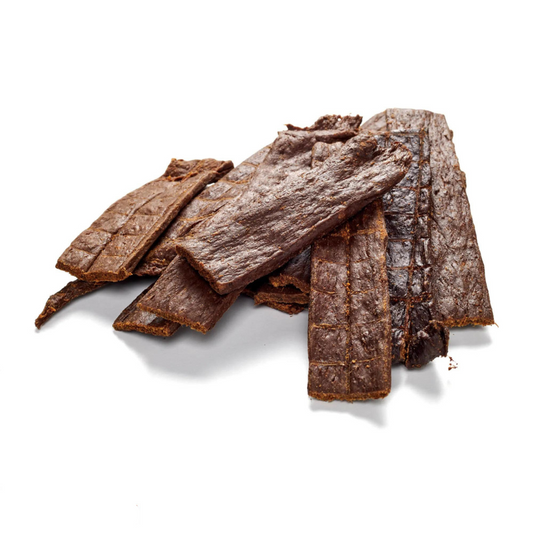
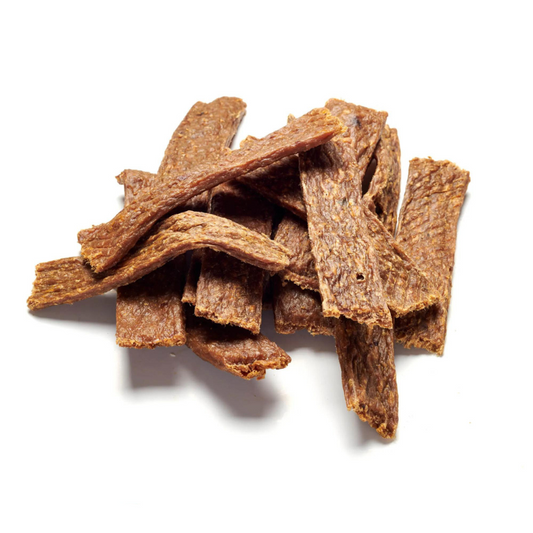
Small sticks for quick rewards:


Frequently asked questions about dog chews for pet professionals
Which snacks are suitable for dog schools?
Small, soft snacks that are eaten quickly are best, such as dog sausage cubes, mini meat cubes, soft treats or thin meat sticks. They allow many repetitions without the dog having to chew for long.
What should boarding kennels look for in chews?
Chews should only be given individually and under supervision to avoid resource guarding. Ideally, varieties brought along or agreed in advance are used so that digestion is protected during the exciting kennel stay.
Are there bulk packs for professionals?
Yes, many snacks come in several pack sizes, Delta dog sausage for example up to 800 g. You can find a selection for professional use in the category "For Pet Professionals".
Which treats are suitable for dogs with allergies?
Snacks made from just one, preferably less common animal species such as horse, goat, rabbit or deer are easier to assess. What ultimately matters, however, is what the owner or vet has approved for the individual dog.
How many treats are too many in a class?
All snacks in a day should together make up no more than about 10 percent of the energy requirement. Small, pea-sized pieces help to stay within limits even with many repetitions.
Conclusion: the right snacks for everyday professional work
Whether dog school, boarding kennel or grooming salon: the best dog chews for pet professionals are well tolerated, easy to portion and available in sufficient quantities. Dog sausage and small meat sticks are ideal for training and care, while chews in a group setting should only be given individually and under supervision. Coordinate with owners, store snacks cleanly and keep an eye on each dog's tolerance. You can find our selection in the category For Pet Professionals.
Further reading on this topic:
- Choosing a boarding kennel: how to find the best care during your holiday
- Training snacks for dog training
- Trimming nails without stress: success with rewards
This post was created with the help of AI