
Dog Buries Chews: Why and What to Do?
When your dog buries chew bones and other chews, it is usually following an ancient instinct: it is putting food aside for later because it is full right now or wants to keep its prize safe. This caching behaviour is completely normal for many dogs and rarely a cause for concern. Here you will learn why dogs hide food, when you should take a closer look and how to deal with it calmly.
Content: Dog Buries Chews: Why and What to Do?
- Why does my dog bury chew bones?
- Is it normal for a dog to hide food?
- How should I react when my dog buries chew bones?
- Which chews are buried less often?
- Are buried chews dangerous?
- Frequently asked questions about dogs burying chews
- Conclusion: understand caching behaviour instead of fighting it
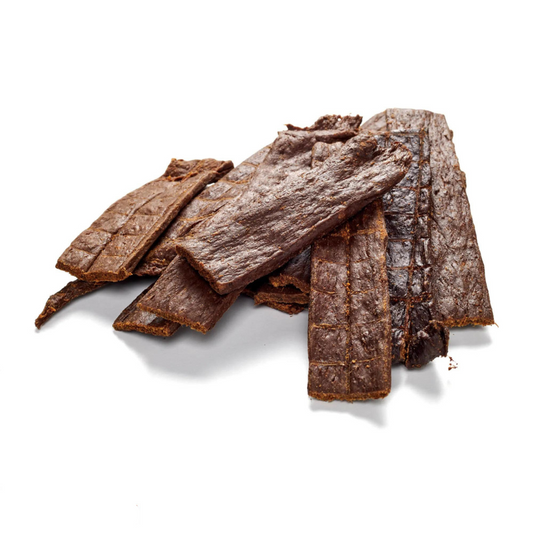
Long chews that get chewed straight away instead of buried:


Why does my dog bury chew bones?
Your dog buries chew bones mainly because hiding food is an innate caching behaviour that its wild ancestors already had. Wolves and wild dogs could not count on prey every day, so they stored surplus food in the ground.
An inheritance from its ancestors
Soil protects food from competitors and keeps it cool. Even though your dog is fed reliably today, this programme is still present in many dogs. It is particularly pronounced in breeds that were bred for hunting or digging, such as terriers, dachshunds or beagles.
Typical triggers in everyday life
- Too much at once: If your dog gets a large chew even though it is full, it likes to save it for later.
- A particularly valuable prize: A new, strongly scented snack is often treated as a “treasure” and brought to safety.
- Competition at home: If several dogs or cats live together, your dog hides its prize from the others.
- Restlessness or boredom: Some dogs carry chews around and bury them because they cannot find a quiet place to chew.
- Unfamiliar texture: If a chew is very hard or very large, an insecure dog sometimes prefers to put it aside.
Is it normal for a dog to hide food?
Yes, in most cases it is normal for a dog to hide food – as long as it otherwise seems healthy, eats with a good appetite and the behaviour does not become compulsive.
How to recognise normal caching behaviour
- Your dog mainly hides chews and special treats but eats its normal food.
- It digs the hidden pieces out again later and chews them.
- The burying happens occasionally and in a relaxed way.
- It shows no signs of stress such as panting, trembling or constant pacing.
When you should take a closer look
Watch out for changes. If your dog suddenly stops eating altogether and hides everything, a loss of appetite may be behind it. Toothache can also cause a dog to put hard chews aside instead of chewing them. If it buries things very frantically, guards its hiding places aggressively or seems permanently tense, talk to your vet or an experienced dog trainer. What to keep in mind when your dog chews unsupervised is explained in our article Leaving your dog alone with chews?.
How should I react when my dog buries chew bones?
The best approach is to stay relaxed: give suitable portions, create a quiet chewing spot and regularly remove forgotten stashes instead of punishing the behaviour.
Step by step to more relaxed chewing
- Adjust the portion: Give smaller chews or cut large pieces so that your dog can finish them in one session.
- Choose the right time: Do not offer chews straight after a meal, but when your dog is in the mood for something to do.
- Set up a quiet chewing spot: A blanket or basket in a quiet corner gives your dog a sense of security.
- Defuse competition: Feed several dogs in separate places so that nobody has to defend their prize.
- Supervise chewing time: Stay nearby while your dog chews and take back any leftovers afterwards.
- Do not scold: Punishment unsettles your dog and can make it hide things even more secretly.
Putting the instinct to good use
Hiding and searching for food is a natural need. Instead of suppressing it, you can channel it: hide small snacks such as rabbit training snacks around the house or garden and let your dog search for them. Snuffle mats or food toys also satisfy the urge to search and collect. This gives your dog a permitted way to follow its instinct.
Chew bones for long chewing sessions in a fixed spot:


Which chews are buried less often?
Chews of a suitable size and manageable hardness are buried less often because your dog can chew them straight away and with enjoyment.
Choosing the right size
A chew should be large enough that your dog cannot swallow it, but not so huge that it is overwhelmed. Short chew sticks or thin tendons are suitable for small dogs, for example, and thicker chew bones for large dogs. Our guide Chew size by dog size gives you detailed guidance.
Pay attention to texture and smell
| Type of chew | Chewing time (tendency) | Note on burying |
|---|---|---|
| Short intestine sticks | short to medium | usually eaten straight away |
| Scalp sticks and hide sticks | medium to long | ideal for cutting into suitable pieces |
| Hard chew bones | long | more likely to be stored when the dog is full |
| Soft snacks and cubes | short | great for search games instead of burying |
You can cut long chew sticks such as the beef scalp stick into smaller sections with a sharp knife. This gives your dog a portion it can finish in one go, while the rest stays hygienically in your supply. You will find many more options in the chew bones category and among our chews with long-lasting chewing fun.
Are buried chews dangerous?
Buried chews are not automatically dangerous, but they can spoil, get dirty or go mouldy if they stay in the ground or around the house for a long time.
Risks in the garden
- Moisture: In damp soil, natural chews can soften and spoil.
- Mould and germs: Spoiled pieces can cause digestive upsets.
- Pests: Buried snacks attract insects, mice or wild animals.
- Foreign objects: When digging them up, your dog may also take in soil and small stones.
Risks around the house
Dogs also like to hide things indoors: under cushions, in the dog bed, behind the sofa or even in the laundry basket. Chews stay dry there, but they can leave stains or be forgotten. Check your dog’s favourite hiding places regularly. How to tell whether a chew is still good is explained in our article Shelf life of dog chews.
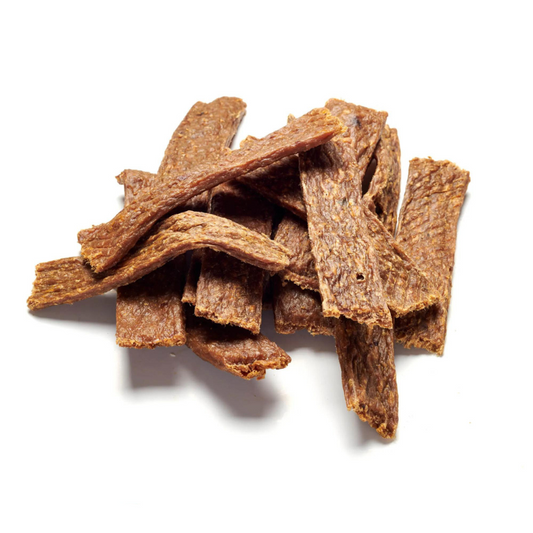
Shorter chew sticks that can be finished in one session:


Frequently asked questions about dogs burying chews
Why does my dog bury chew bones even though it gets enough food?
Dogs that are full bury things especially often, because they are not hungry at that moment and set the chew bone aside as a reserve. This is innate caching behaviour and not a sign that your dog is getting too little. It is therefore better to offer chews between meals.
Is burying normal for dogs?
Yes, occasionally burying chews and special treats is normal. What matters is that your dog eats its food, seems relaxed and digs the pieces out again later. If the behaviour becomes compulsive or your dog suddenly stops eating altogether, have it checked by your vet.
How do I stop my dog from burying things?
You do not have to stop it completely, but you can reduce it considerably. Give smaller portions, create a quiet chewing spot, feed several dogs separately and offer search games as a permitted alternative. Punishment does not help.
Can my dog still eat a chew it has dug up?
Dry pieces that were only buried briefly are usually unproblematic. If a chew smells musty, is damp, discoloured or mouldy, throw it away immediately. If in doubt, it is better to dispose of it.
Why does my dog hide treats in the house?
Indoors, your dog looks for a safe place for its prize, often where it smells of you or of itself – for example in the dog bed or under cushions. Competition from other animals or a restless chewing spot is often behind it.
Conclusion: understand caching behaviour instead of fighting it
When your dog buries chews, it is showing a natural caching behaviour inherited from its ancestors. With smaller portions, the right timing and a quiet chewing spot, you can make sure that chew bones and chew sticks are chewed rather than hidden. Check hiding places regularly so that nothing spoils, and use your dog’s search instinct for games together. If its eating behaviour changes suddenly or it seems stressed, your vet is the right person to talk to. You will find suitable chews for every dog size in the low-fat chews category and among our ostrich intestine sticks.
Further reading on this topic:
- How long should a dog chew? Chewing time by age
- Food guarding with chews: Calm chewing with multiple dogs
- Proper storage of chews: How to keep them fresh and safe
This post was created with the help of AI