
Cat not drinking enough: treats and tips for more fluids
If your cat is not drinking enough, the most helpful things are more moisture in its food, several well-placed water stations and small tricks such as soaked treats. Cats descend from desert animals and have a rather weak sense of thirst – which is why many of them, especially on a dry-food-only diet, take in less fluid than is good for them. In this article you will learn how much a cat should drink, how to recognise a lack of fluids and which treats and tips really help.
Content: Cat not drinking enough: treats and tips for more fluids
- How much should a cat drink?
- Cat not drinking enough: causes and warning signs
- Cat not drinking enough – what to do? 8 practical tips
- Do treats help with drinking?
- When should you take your cat to the vet?
- Frequently asked questions about cats and drinking
- Conclusion: more fluids with simple tricks
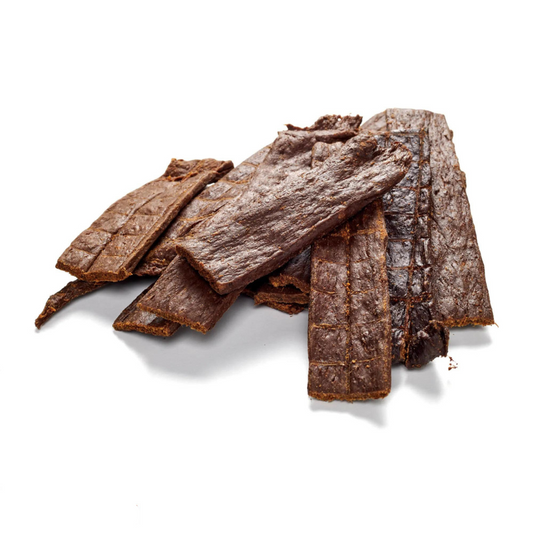
Freeze-dried treats that are easy to soak:


How much should a cat drink?
As a rough guide, a healthy cat needs a total of around 40 to 60 ml of fluid per kilogram of body weight per day – for a cat weighing 4 kg that is roughly 160 to 240 ml, with food and drinking water counting together.
Food counts too
How much your cat drinks from its bowl depends heavily on its food. Wet food consists largely of water – often around 70 to 80 percent. Cats that mainly eat wet food therefore often drink only a little extra, and that is normal. Dry food, on the other hand, contains only around 10 percent moisture. Cats that get a lot of dry food have to drink considerably more to cover their needs.
Influencing factors
- Temperature: On warm days and in heated rooms, the need increases.
- Activity: Outdoor cats and playful cats usually need more than calm indoor cats.
- Age: Older cats often drink less, even though they particularly need fluids.
- Health: Illnesses can change the need considerably – both up and down.
Cat not drinking enough: causes and warning signs
A cat not drinking enough is often due to its origins, badly placed bowls or a lot of dry food – but sometimes an illness is behind it.
Common causes
- Weak sense of thirst: The ancestors of our domestic cats covered most of their needs through their prey.
- Bowl next to the food: Many cats do not like drinking right next to their feeding place or litter box.
- Stale water: Cats are choosy and prefer fresh, clean water.
- Unsuitable bowl: Narrow bowls where the whiskers touch the rim are often avoided.
- Stress and changes: Moving house, new housemates or noise can affect drinking behaviour.
Signs of a lack of fluids
Typical signs are dry or sticky gums, sunken eyes, lethargy, little or very concentrated urine and a skin fold on the neck that only slowly returns to normal after being lifted. If your cat shows such signs, do not wait – contact your vet.
Cat not drinking enough – what to do? 8 practical tips
What should you do if your cat is not drinking enough? The most effective approach is a combination of moister food and attractive water stations – often small changes in everyday life are enough.
- Several water stations: Place two to three bowls around your home, away from food and litter box.
- Wide, shallow bowls: Ceramic, glass or stainless steel with a large diameter are usually preferred.
- Fresh water: Change the water daily and clean the bowls regularly.
- Moving water: Many cats prefer to drink from a water fountain or a running tap.
- Plan in wet food: Replace part of the dry food with wet food.
- Water in the food: Stir a little lukewarm water into the wet food.
- Soaked treats: Soak freeze-dried treats in water and give them as a reward.
- Observe drinking: Note where and when your cat likes to drink and build on that.
Tip: Some cats prefer lukewarm water to cold water. Try out what your cat likes best.
Do treats help with drinking?
Yes, treats can help with drinking – but only if you combine them with water in a targeted way: dry treats alone provide hardly any fluid, whereas soaked freeze-dried treats and soft treats do provide a little.
Soaking freeze-dried treats
Freeze-dried treats are porous and absorb water quickly. For example, place a few pieces of freeze-dried chicken breast or freeze-dried beef heart in lukewarm water for a few minutes. The soaking water takes on the flavour and many cats like to lap it up – a kind of natural meat broth without salt or spices. You can read which types are available in our article Freeze-dried treats for cats; you will find the whole range under Freeze-dried.
Soft treats and fish
Soft treats contain more moisture than crunchy dry treats. Softies such as Softies rabbit are easy to divide. Fish treats have an intense smell and can spark interest in the bowl – for example if you place a soaked fish treat near the water station. You will find more types of fish in the category Fish.
What treats cannot replace
Treats are a small help, but no substitute for water and a moisture-rich main food. Make sure that treats provide no more than about 10 percent of daily energy. Our guide Cat treats: which snacks are healthy? explains which cat treats are generally recommended.
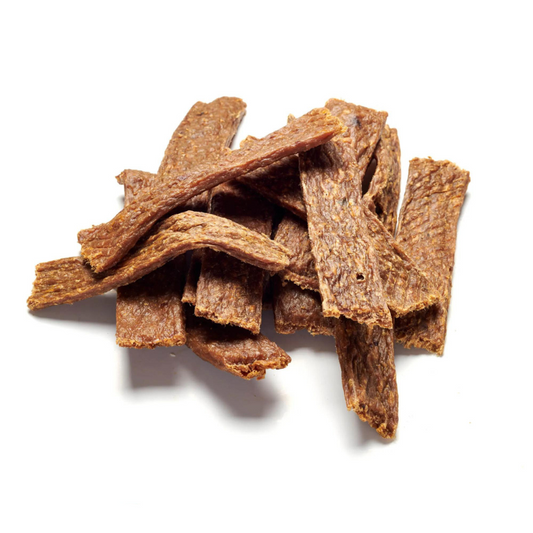
Soft treats with more moisture:


When should you take your cat to the vet?
You should go to the vet if your cat drinks significantly less or suddenly significantly more than usual, shows signs of a lack of fluids or is also eating poorly, vomiting or withdrawing.
Warning signs to take seriously
- No drinking for a day or significantly less urine in the litter box
- Refusing food, vomiting or diarrhoea
- Lethargy and withdrawal
- Sudden strong thirst – this can also indicate an illness
- Frequent urge to urinate with little urine, pain or blood in the urine
Regular check-ups at the vet are particularly useful for older cats, as changes in drinking behaviour can be an early sign of health problems.
Fragrant fish treats from our cat range:


Frequently asked questions about cats and drinking
What should I do if my cat is not drinking enough?
Offer more moisture through wet food, set up several wide water bowls away from the food and try a water fountain. Soaked treats and a little water in the food help as well. If your cat shows signs of a lack of fluids, go to the vet.
How much should a cat drink?
As a rule of thumb, a total of around 40 to 60 ml of fluid per kilogram of body weight per day applies, including the moisture in the food. Cats that eat a lot of wet food therefore often drink only a little from the bowl. The exact need depends on age, activity and health.
Do treats help with drinking?
Dry treats alone hardly help. Soaked freeze-dried treats, on the other hand, provide some fluid, and the aromatic soaking water is often happily lapped up. However, treats only supplement water and wet food.
Is a water fountain useful for cats?
For many cats, yes, because moving water seems fresher and arouses curiosity. Whether your cat accepts it is individual. Clean the fountain and change the filter regularly.
Can I give my cat milk instead of water?
Cow's milk is difficult to digest for many adult cats and can cause diarrhoea. Fresh water is the best choice. If you want to offer something special, the soaking water from pure meat treats is a better alternative.
Conclusion: more fluids with simple tricks
Many cats naturally drink little – but with moisture-rich food, several attractive water stations and soaked treats, you can support their fluid intake well. Keep an eye on drinking behaviour and have changes or warning signs checked by your vet at an early stage. You will find suitable treats for your cat in our category Cats.
Further reading on this topic:
- Cat treats: which snacks are healthy for cats?
- Chew snacks for cats: types, benefits, and what to look out for
- Freeze-dried treats for cats
This post was created with the help of AI