
Beef scalp and beef hide: chews compared
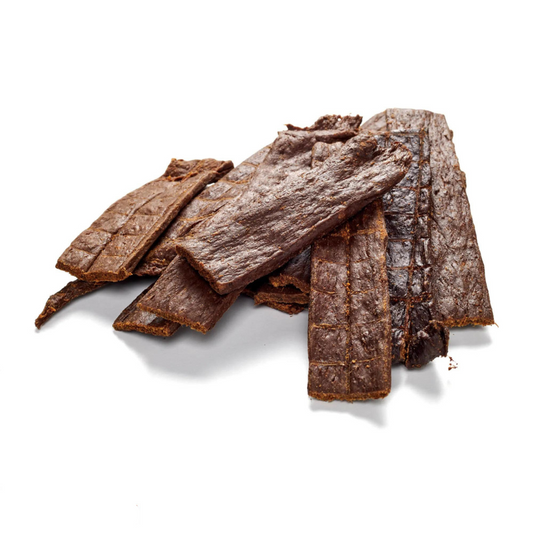
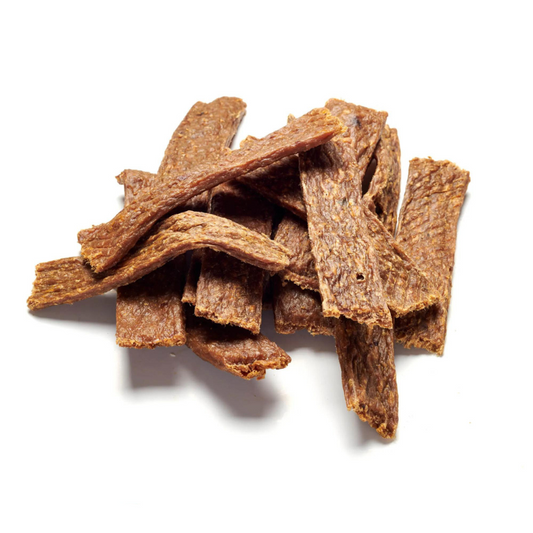
Beef scalp is a good, natural chew for most healthy dogs: it is low in fat, rich in protein and keeps your dog busy for a long time. Compared with beef hide from the body, beef scalp is usually more irregular in shape, more aromatic and slightly softer to bite, while beef hide tends to be more even and smoother and is sold as plates, rolls or braids.
Content: Beef scalp and beef hide: chews compared
- What is beef scalp for dogs?
- Beef hide as a chew: what is behind it?
- Beef scalp and beef hide compared directly
- Which dogs is beef scalp suitable for?
- Feeding beef scalp correctly: amount and safety
- Frequently asked questions about beef scalp and beef hide
- Conclusion: beef scalp or beef hide – both have their place
Beef scalp in different lengths for every type of chewer:


What is beef scalp for dogs?
Beef scalp for dogs is the hide from a cow's head, which is cleaned and then gently dried, turning it into a firm, natural chew.
Origin and production
Scalp is a by-product of slaughter. Instead of being discarded, it is cleaned, cut into pieces and dried. Depending on the product, this results in short pieces, long strips or even very long sticks such as the beef scalp stick. Typical features are a golden-yellow to brownish colour and a slightly irregular surface, sometimes with small remnants of meat or tissue. These remnants are exactly what gives it the stronger flavour that many dogs love.
Properties at a glance
- Fat content: usually low – so also interesting for dogs watching their weight
- Protein: a high share of connective tissue protein (collagen)
- Hardness: medium to hard, depending on thickness and drying
- Smell: usually medium – stronger than beef hide, milder than tripe
- Chewing time: medium to long, depending heavily on the length of the piece
You can find more beef chews in our beef chews category.
Beef hide as a chew: what is behind it?
Beef hide as a chew comes from the cow's body and, compared with scalp, is denser, smoother and more even – which is why it is often made into plates, rolls, braids or chew bones.
Typical forms of beef hide
- Hide plates: large, flat pieces for persistent chewers, such as the bull skin plate
- Rolled or braided hide: several layers are twisted or braided, making them especially tough
- Chew bones and chew sticks: hide is shaped into bones or sticks
- Noses with skin: a combination of cartilage and skin, e.g. beef noses with skin
Natural or processed?
An important quality feature is whether the hide has been dried naturally or heavily processed. Bleached, white or strongly coloured hide chews have usually been treated more intensively. Natural beef hide, on the other hand, has a natural beige to brown colour. It is always worth checking the composition in the product description. You can read more about this in our comparison buffalo hide or beef hide.
Beef scalp and beef hide compared directly
Beef scalp and beef hide differ mainly in structure, taste and shape: scalp is more aromatic and irregular, beef hide is smoother, denser and can be processed in more ways.
| Feature | Beef scalp | Beef hide (body) |
|---|---|---|
| Structure | irregular, partly with tissue | smooth, dense, even |
| Taste | strong, very popular | rather mild |
| Smell | medium | low to medium |
| Typical forms | pieces, strips, sticks | plates, rolls, braids, bones |
| Chewing time | medium to long | long to very long |
| Fat content | low | low |
Which variant is harder?
This depends less on the raw material than on the processing. Thick hide plates and tightly braided hide are usually harder than a thin piece of scalp. A very long scalp stick, on the other hand, can last just as long as a plate. So pay attention above all to thickness, length and the information on texture.
What about scalp from other animals?
If your dog does not tolerate beef, scalp is also available from other animals, for example lamb, camel or horse. Especially with intolerances, a rarely used protein source can make sense. You can find a large selection in the hypoallergenic chews category.
Which dogs is beef scalp suitable for?
Beef scalp is especially suitable for adult dogs with a normal to strong urge to chew who want an aromatic, low-fat chew – beef hide plates and braids are more for very persistent chewers.
Small dogs
Short, thinner pieces are ideal for small breeds. They are easy to hold and not too massive. Choose a size your dog cannot swallow whole. You will find helpful tips in our article chew size by dog size.
Medium-sized and large dogs
Larger dogs cope well with long scalp or sticks. For particularly strong chewers, thick hide plates or the robust items from the chewing plates category are also worthwhile.
Puppies and seniors
For puppies who are teething and older dogs with sensitive teeth, hard, thick hide is often too firm. Softer chews are a better choice here. If your dog has dental problems, please talk to your vet first.
Dogs with food allergies
If your dog is allergic to beef, neither variant is suitable. In that case, scalp from another animal is the better choice. If you suspect an allergy, your vet will clarify which proteins are an option.
Beef hide and noses with skin for long-lasting chewing fun:


Feeding beef scalp correctly: amount and safety
Beef scalp is best fed as an occasional chew under supervision, in a suitable size and with an eye on the daily snack amount.
How much scalp is okay?
Chews count towards your dog's daily energy intake. As a rough guide, all snacks together should make up no more than about 10 percent of the daily requirement. Our guide How many treats per day? explains how to calculate this. A large piece of scalp can therefore replace some of the other treats on that day.
Safety rules when chewing
- Always supervise: stay nearby while your dog is chewing.
- Remove leftovers in time: small, softened end pieces can be swallowed.
- Provide fresh water: dried chews make dogs thirsty.
- Introduce slowly: give only a small amount of a new chew at first and watch your dog's digestion.
- Limit chewing time: longer breaks protect teeth and jaws.
You can find more on this in our article Giving chews unsupervised? Safety rules.
Proper storage
Store scalp and beef hide in a dry, cool and airy place, for example in a paper bag or a container with air holes. Moisture can build up in sealed plastic bags. Discolouration, mould or an unusually musty smell are signs that the chew should be thrown away.
Scalp alternatives for dogs that do not tolerate beef:


Frequently asked questions about beef scalp and beef hide
Is beef scalp good for dogs?
For healthy adult dogs, beef scalp is a good chew. It is natural, low in fat and rich in protein. Chewing keeps dogs busy and can support mechanical tooth cleaning. A suitable size and supervision while chewing are important.
What is the difference between scalp and beef hide?
Scalp comes from the cow's head, is more irregular and more aromatic thanks to attached tissue. Beef hide comes from the body, is smoother and denser and is often processed into plates, rolls or braids. Both are usually low in fat.
Which dogs is scalp suitable for?
Scalp is mainly suitable for adult dogs with a normal to strong urge to chew. Small dogs get short, thinner pieces, large dogs long pieces or sticks. For puppies, seniors with dental problems and dogs with a beef allergy, there are better alternatives.
How long does a dog chew on beef scalp?
That depends on size, thickness and chewing type. A short piece is often gone after a few minutes, while a long stick can last several chewing sessions. Take partly chewed pieces away in between and store them dry.
Is beef scalp suitable for overweight dogs?
Beef scalp is considered low in fat and can therefore also suit dogs on a diet. The calories still count towards the daily ration. You can find more lean options in the low-fat chews category.
Conclusion: beef scalp or beef hide – both have their place
Beef scalp is an aromatic, low-fat chew that suits many adult dogs and, depending on its length, offers short or long chewing breaks. Beef hide from the body is smoother and denser and, as plates or braids, is particularly suitable for persistent chewers. Choose the size to suit your dog, give chews under supervision and include them in the daily snack amount. If your dog has allergies or dental problems, or if you are unsure, your vet will advise you. Feel free to browse our chewing fun category for more natural chews.
Further reading on this topic:
- Buffalo Hide vs. Cowhide: Chew Bones Compared
- Beef Noses for Dogs: Crunchy Chewing Fun with Cartilage
- Chew articles for dogs: Why they're important and which ones are available
This post was created with the help of AI