Nova Scotia Duck Tolling Retriever
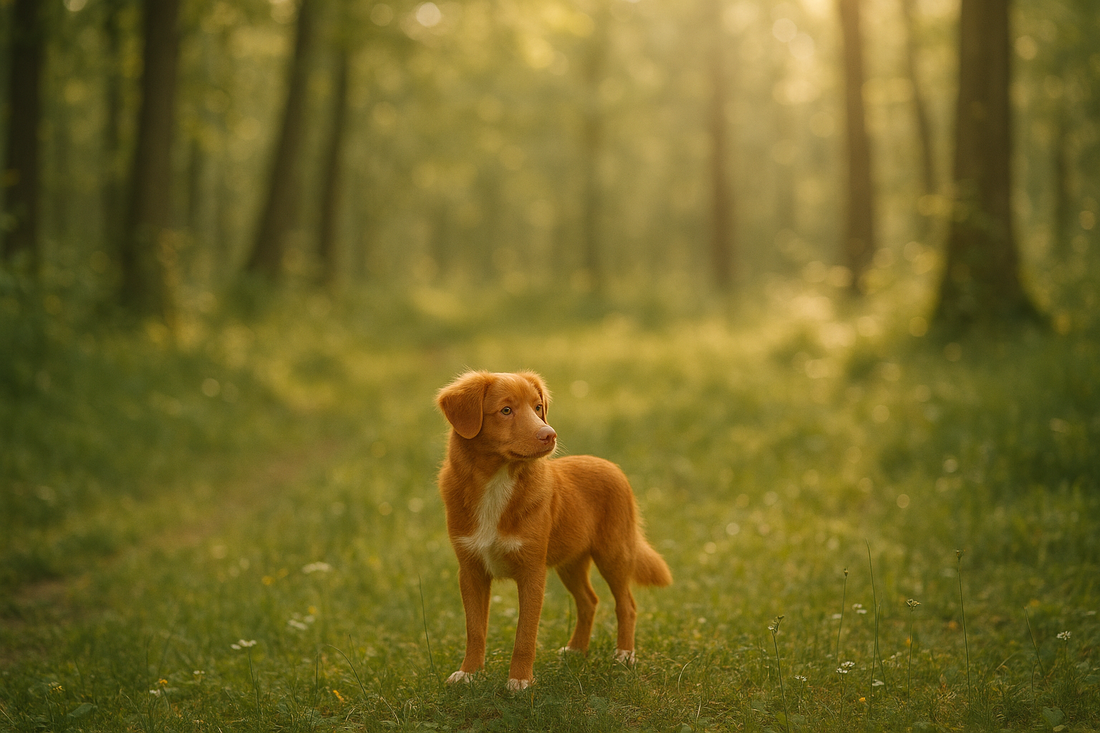
Lively, intelligent, and full of energy – the Nova Scotia Duck Tolling Retriever is an exceptional retriever breed with Canadian roots. Originally bred to lure ducks through playful behavior and then retrieve them from the water, this compact hunting dog combines endurance, playfulness, and eagerness to learn. With its dense, water-repellent coat, characteristic white markings, and friendly nature, the Toller is suitable for active families as well as ambitious dog athletes. In this blog post, you'll learn more about the origin, temperament, and care of this versatile and fascinating breed.
Contents: Nova Scotia Duck Tolling Retriever
- Profile
- Special Characteristics
- What to consider for nutrition?
- Health and Care
- Origin & History
- The Right Accessories
- Conclusion
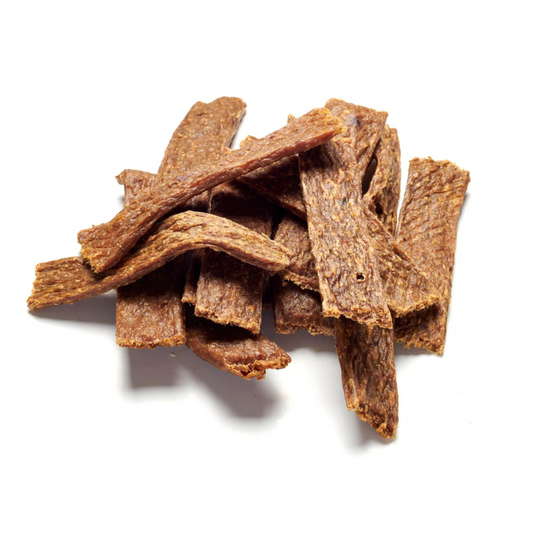
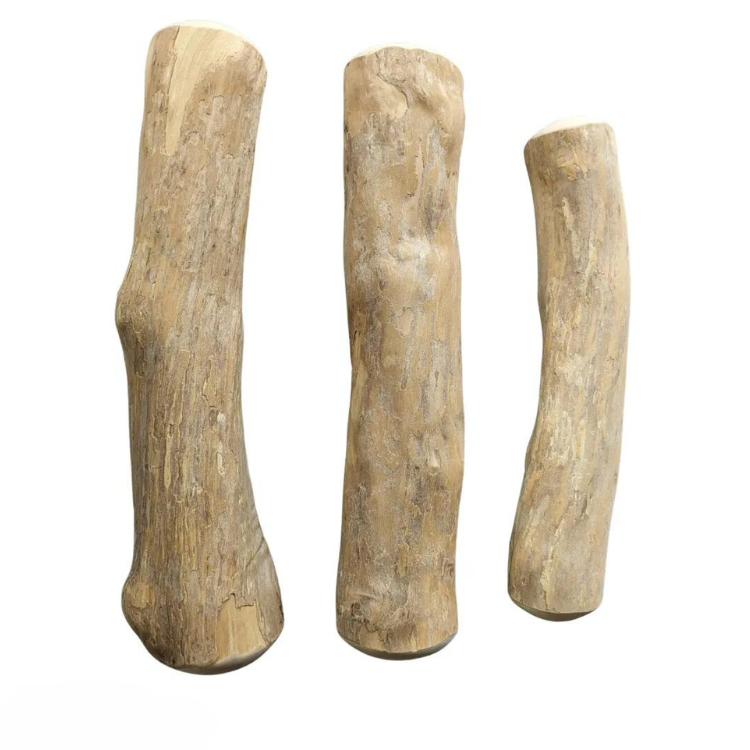
High-quality dog chews to spoil your dog, now available!
Nova Scotia Duck Tolling Retriever - Profile
-
Character: Loyal, Caring, Attentive
- Size: small
-
Height: 32-38 cm
-
Weight: 6 - 9 kg
-
Life Expectancy: 12-14 years
-
Coat Type and Colors: dense, coarse topcoat with soft undercoat
-
Special Features: Hunting and Companion Dog
-
FCI Group: 5: Spitz and Primitive Types
Nova Scotia Duck Tolling Retriever - Special Characteristics
The Nova Scotia Duck Tolling Retriever, or "Toller" for short, is the smallest retriever breed, yet impresses with extraordinary versatility and intelligence. Originally bred in Canada for duck hunting, the Toller possesses a special method, the so-called "Tolling" technique: by playfully frolicking on the shore, he attracts curious waterfowl closer to the hunter. He then reliably retrieves downed game from the water – even in low temperatures, thanks to his dense, water-repellent double coat.
Typical for the dog breed are a medium-sized, athletic build, high endurance, and pronounced joy in work. The Toller is very teachable, sensitive, and needs both physical and mental stimulation. He is people-oriented, watchful, but usually not aggressive – ideal for active dog owners with experience and time. He is a real powerhouse: playful, focused, and full of energy. Especially in dog sports such as agility, obedience, or dummy work, he can fully develop his talents.
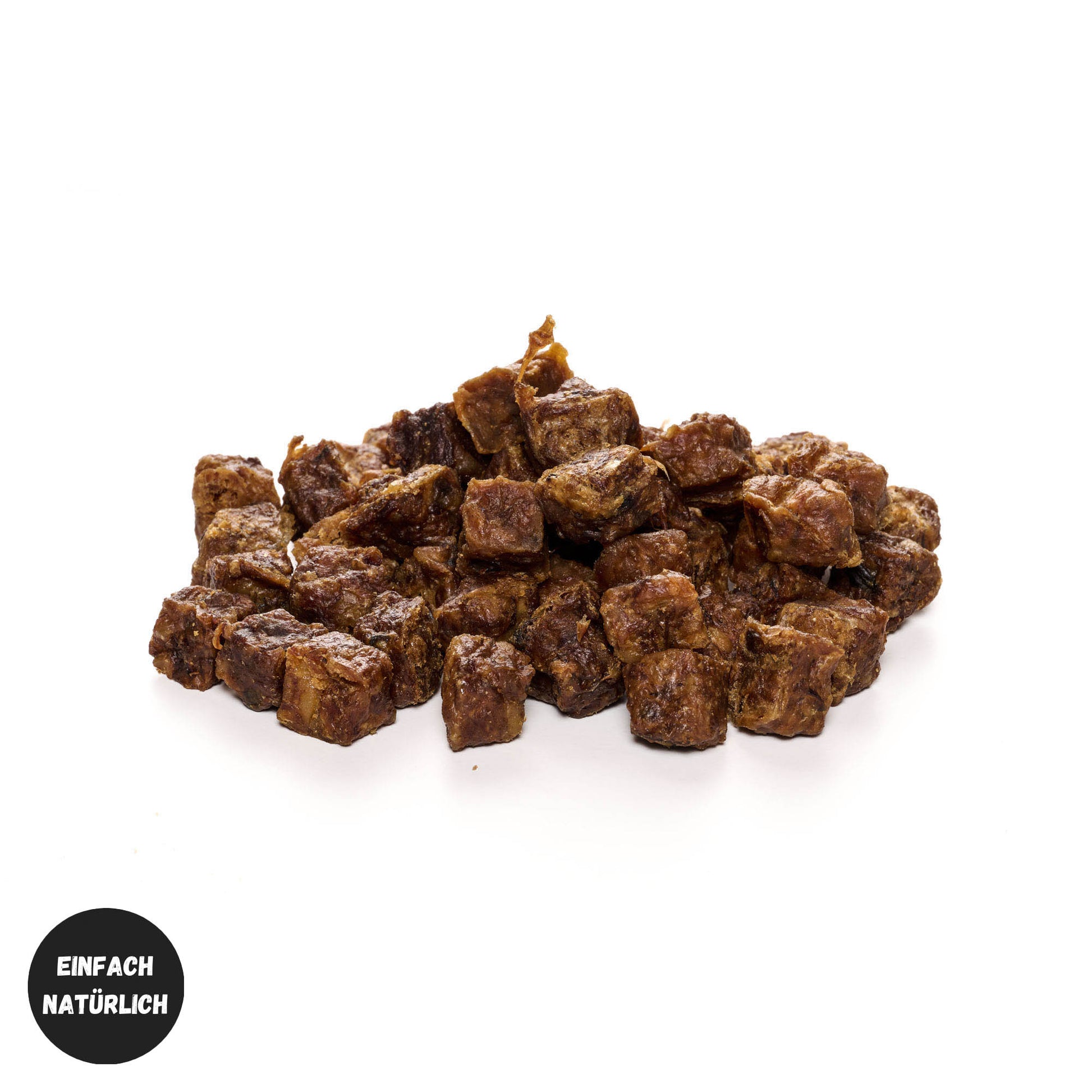
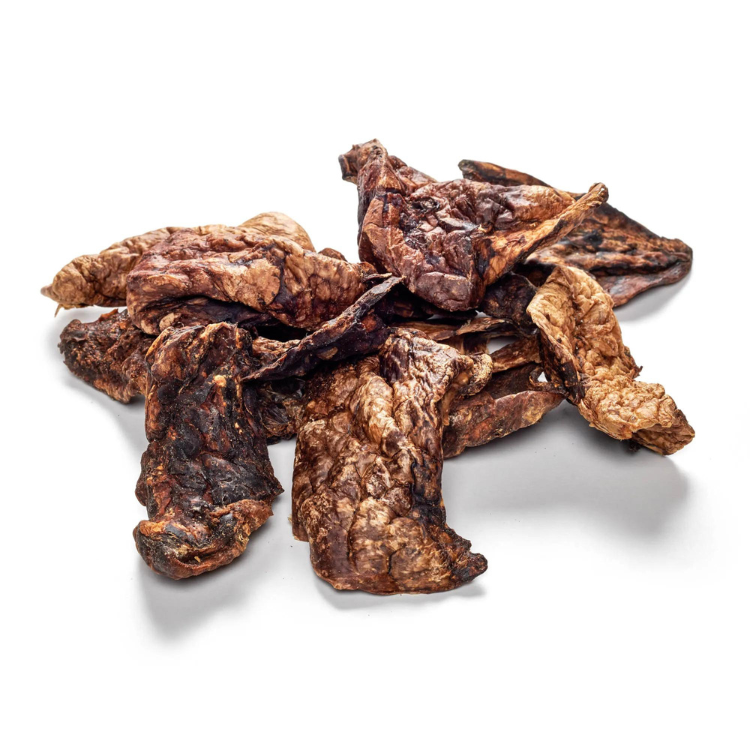
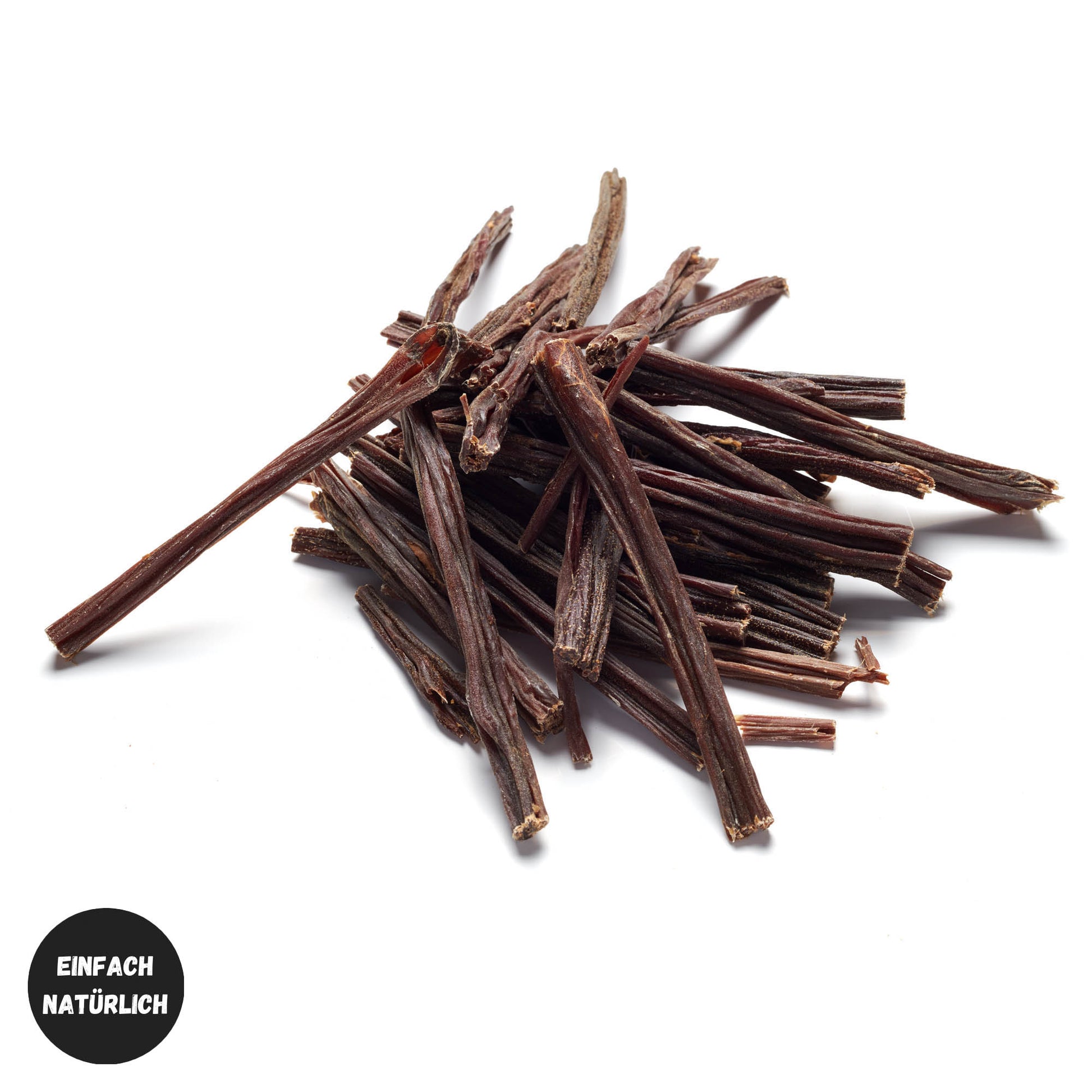
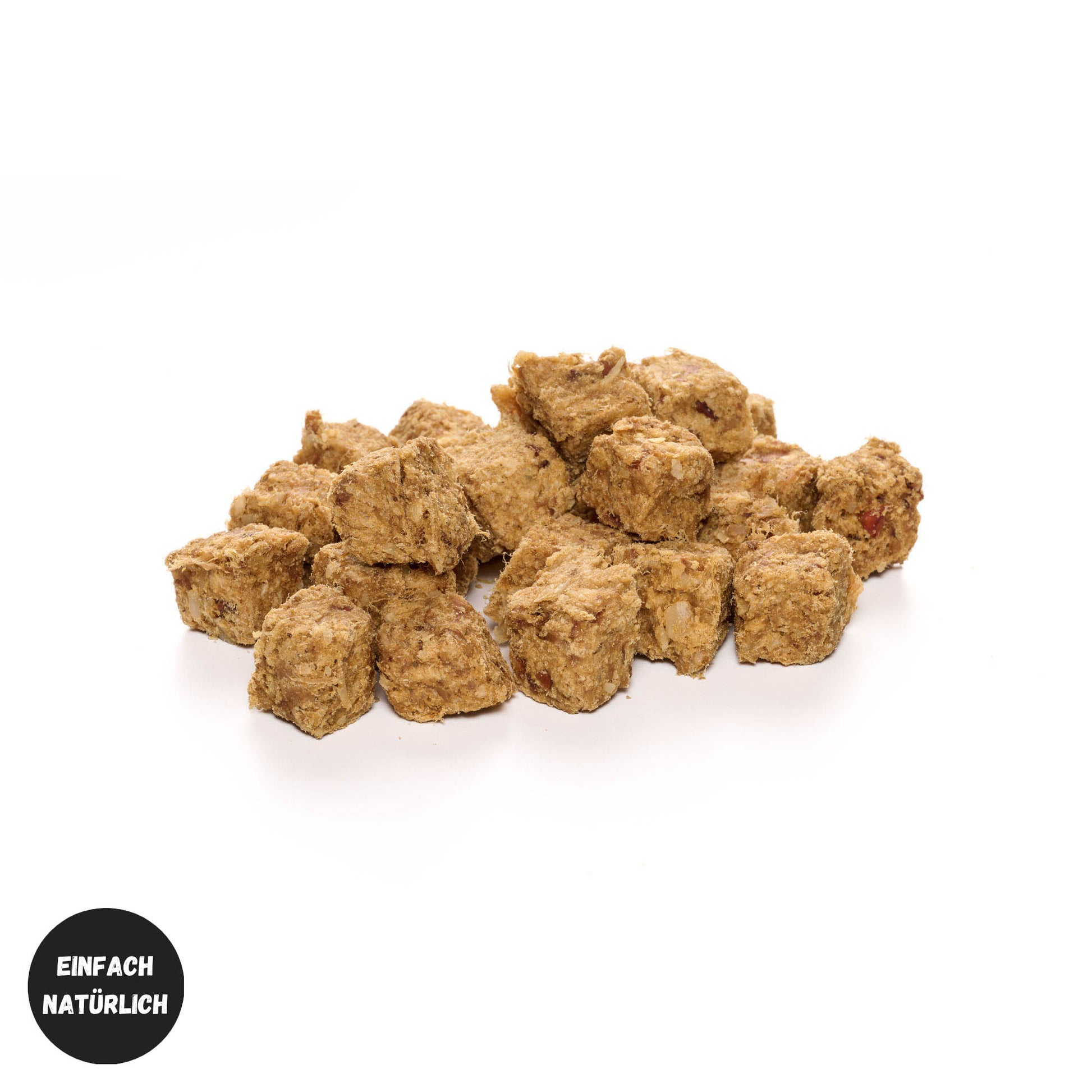
Tasty dog snacks for pure enjoyment available from us!
Nova Scotia Duck Tolling Retriever - What to consider for nutrition?
For the Nova Scotia Duck Tolling Retriever, a balanced, nutrient-rich diet is crucial to maintain his health and performance in the long term. As an active, movement-loving dog, the Toller needs high-quality proteins to support muscle maintenance and energy supply. Particularly important is a needs-based dog food that is adapted to his activity level – performance dogs may require more energy-rich food than pure family dogs.
Good digestibility and a moderate fat content should be ensured, as the Toller can be prone to weight gain if fed too richly. Grain-free or hypoallergenic formulas are recommended for sensitive animals. Regular meals and controlled portions also contribute to stable digestion. Additionally, fish oil or omega-3 fatty acids can promote coat quality and joint health.
Water must be freely available at all times. Especially for active or training dogs, a veterinarian-coordinated ration plan is recommended. This keeps the Toller healthy, ready for action, and in top form.
Nova Scotia Duck Tolling Retriever - Health and Care
The Nova Scotia Duck Tolling Retriever is generally considered a robust and healthy breed, but there are some genetically predisposed diseases that owners should be aware of. These primarily include hip dysplasia (HD), progressive retinal atrophy (PRA), and autoimmune diseases such as Toller Syndrome. Responsible breeding with appropriate health tests is therefore particularly important when choosing a puppy.
Coat care is relatively uncomplicated, as the dense, water-repellent double coat repels dirt well. However, during the shedding season in spring and autumn, regular brushing is necessary to remove loose undercoat. The ears should also be checked and cleaned if necessary, as frequent water contact increases the risk of ear infections.
The Toller is an active dog that needs daily physical and mental stimulation. Longer walks, retrieve training, and mind games promote his health and balance. Regular veterinary check-ups complete the care routine. With the right care, the Toller remains vital, eager to work, and a loyal companion for many years.
Nova Scotia Duck Tolling Retriever - Origin & History
The Nova Scotia Duck Tolling Retriever originates from the Canadian province of Nova Scotia and was specifically developed for duck hunting in the early 19th century. Its special hunting technique, known as "tolling," involves playfully moving along the shore to pique the curiosity of waterfowl and lure them within shooting range of the hunter. This method was presumably inspired by observing foxes, which achieved similar effects through their behavior.
Originally known as the "Little River Duck Dog," the breed was officially recognized in Canada in 1945 and later given its current name. The Toller is the smallest of the retriever breeds, but also one of the most versatile. Its roots lie in a mix of various working dogs, including Cocker Spaniels, Irish Setters, and smaller retriever types. Today, the Toller is valued not only as a hunting assistant but also as a sporty family dog with a strong will to work and a clear mind.
Nova Scotia Duck Tolling Retriever - the right accessories
For the Nova Scotia Duck Tolling Retriever, functional accessories that support its activity and intelligence are suitable. A well-fitting harness and a robust long leash allow for safe training and off-leash exercise. Retrieve toys and dummies promote its hunting instincts and provide mental stimulation. Intelligence toys and treat balls are ideal for daily engagement. A soft brush helps with regular coat care, especially during shedding. A highly absorbent towel for wet fur and an orthopedic dog bed for restful periods are also essential. For travel, a secure transport crate or seatbelt system for the car is recommended.
Conclusion
The Nova Scotia Duck Tolling Retriever is an intelligent, active, and versatile companion with a hunting past and a high eagerness to learn. He requires physical and mental stimulation as well as a strong bond with his humans. With the right upbringing, care, and activity, the Toller unfolds his full potential – be it in dog sports, at work, or in everyday life. For dedicated owners with experience and time, he is a loyal, energetic partner with a unique character and fascinating history.