
Puppy Training: When is the Right Time for the First Reward?
A sugar-sweet puppy moves in and the adventure begins – puppy training! Targeted rewards are an important building block for good dog training. Many new dog owners ask themselves: When is the right time for the first reward? And how can rewards be best used to ensure optimal puppy training?
In this article, you'll learn everything you need to know to make the start of dog training loving and effective. I'll give you practical puppy training tips and show you how to use rewards smartly and sustainably – because the right timing of rewards makes all the difference!
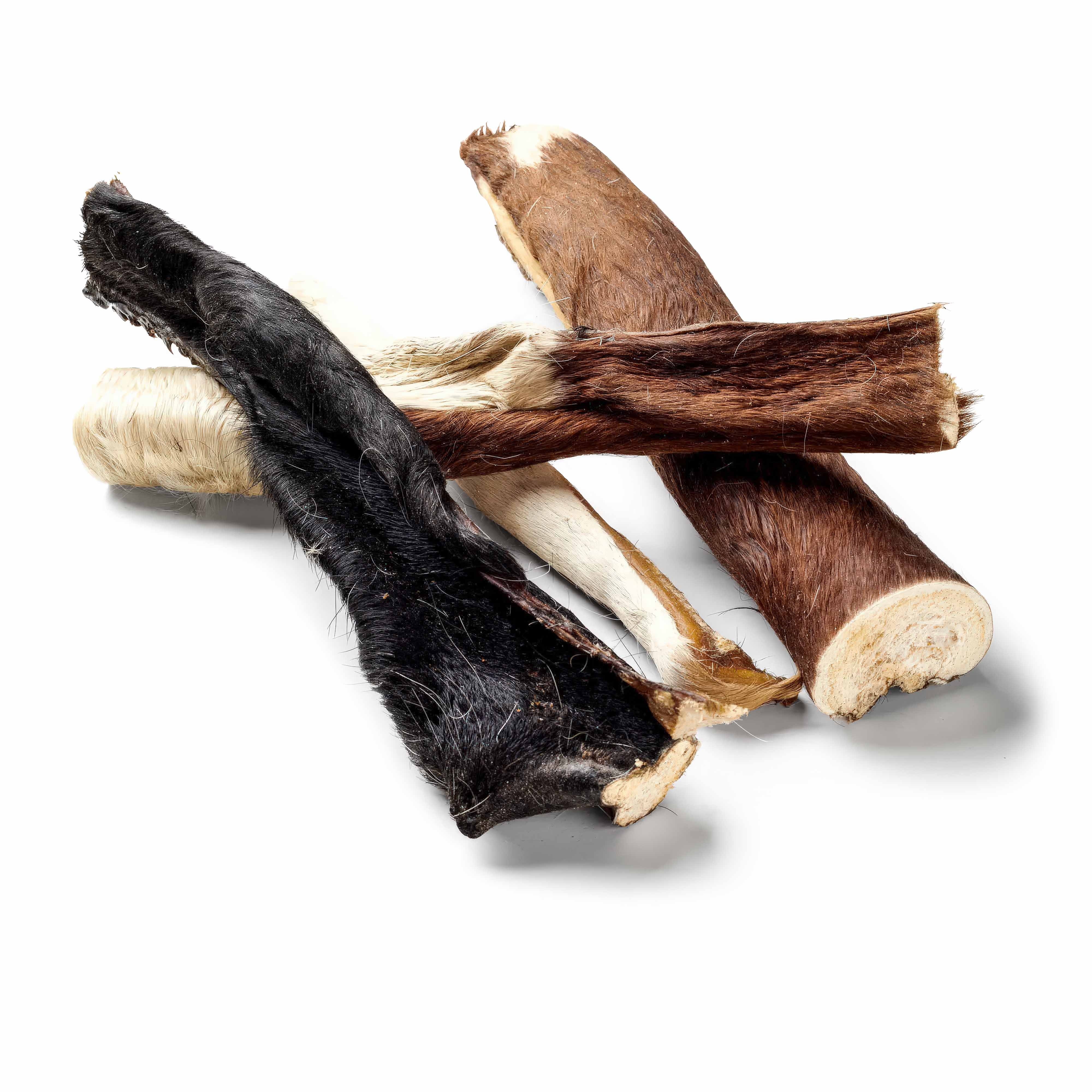
Treat your dog to delicious chews with our products!
Why are rewards so important in puppy training?
Puppies are little explorers just getting to know the world. Through positive reinforcement, you playfully teach your darling rules and desired behaviors. Rewards motivate your puppy to repeat desired behaviors and help build trust between you.
Rewards strengthen the bond and promote:
- Attention and concentration
- Willingness to learn and enjoyment of training
- Positive behavior that is consistently repeated
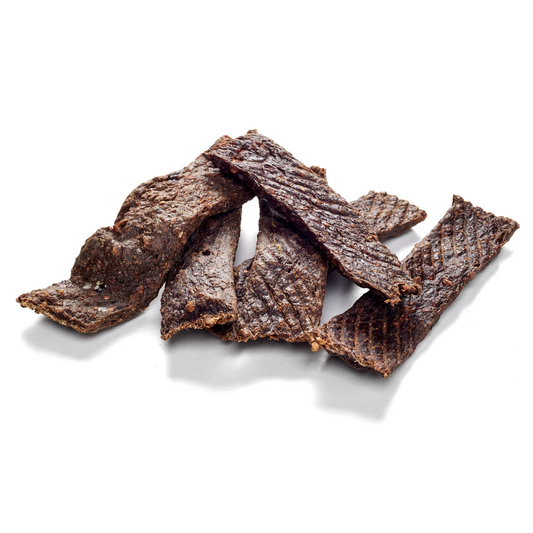
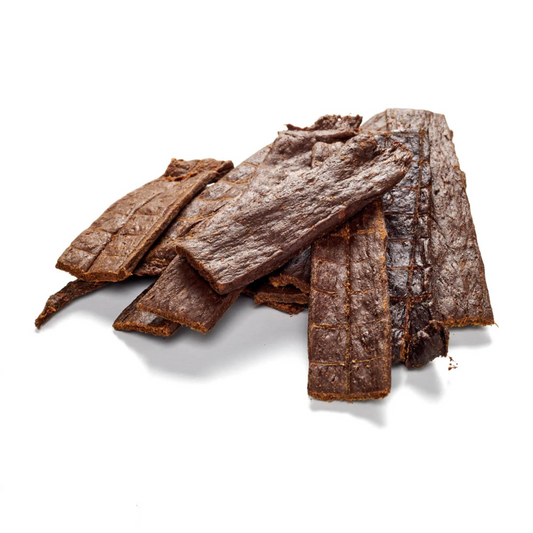
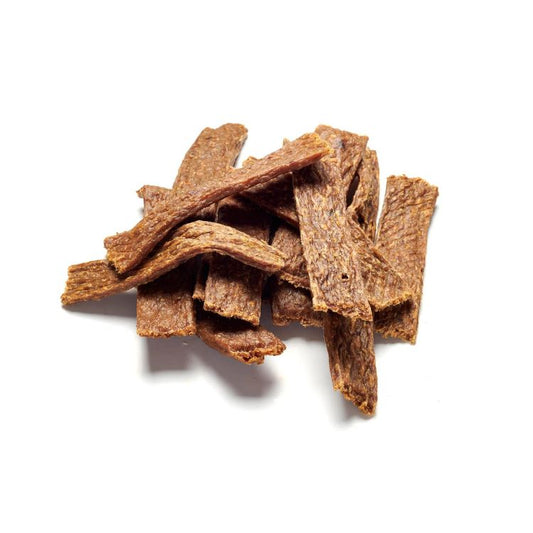
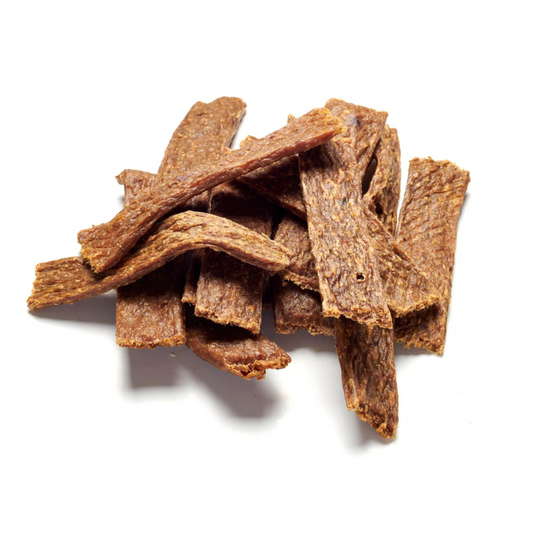
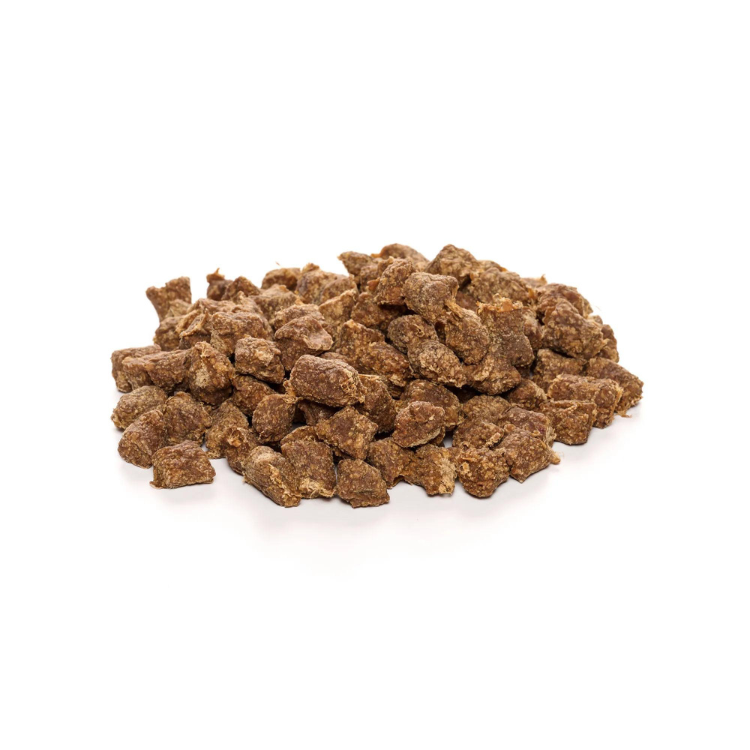
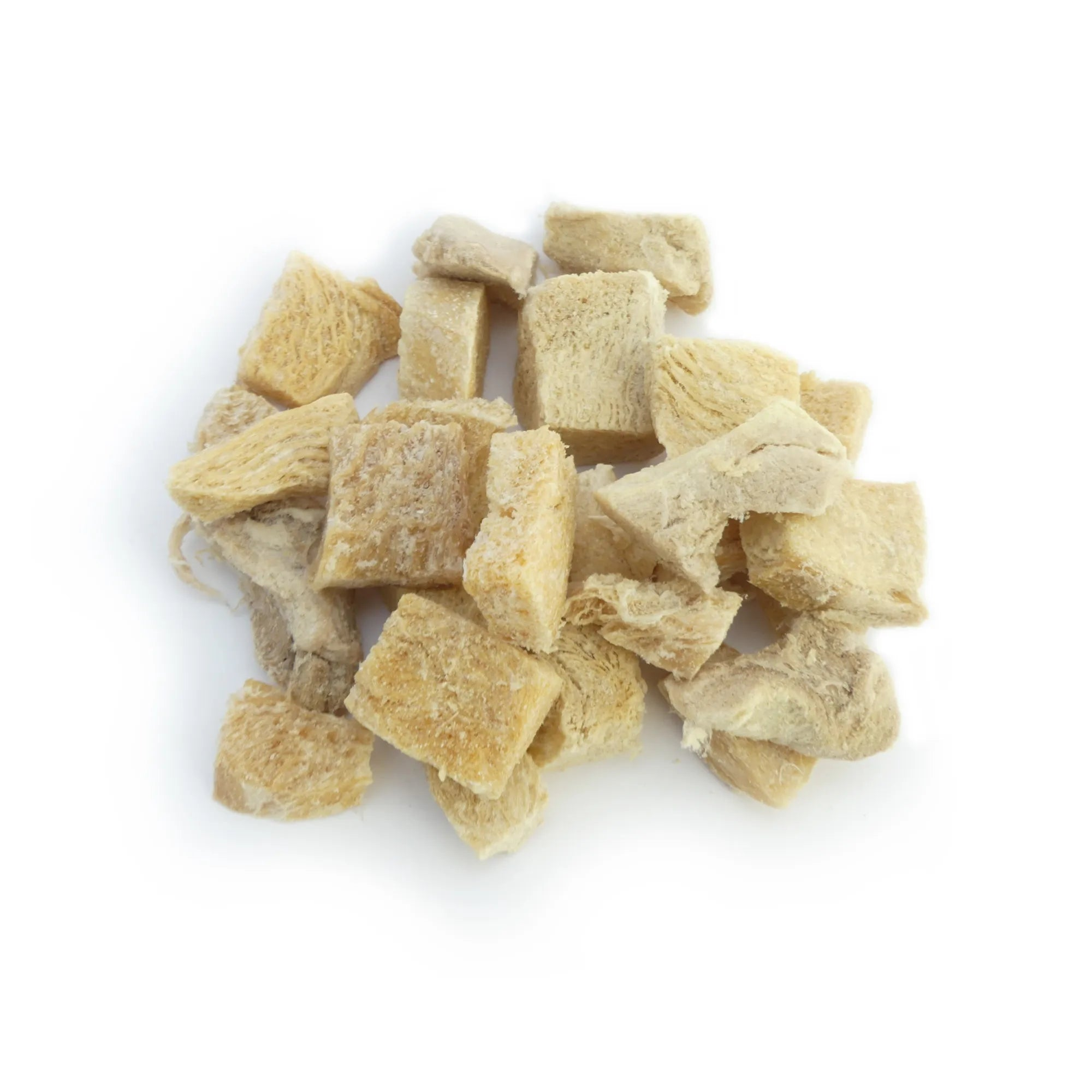
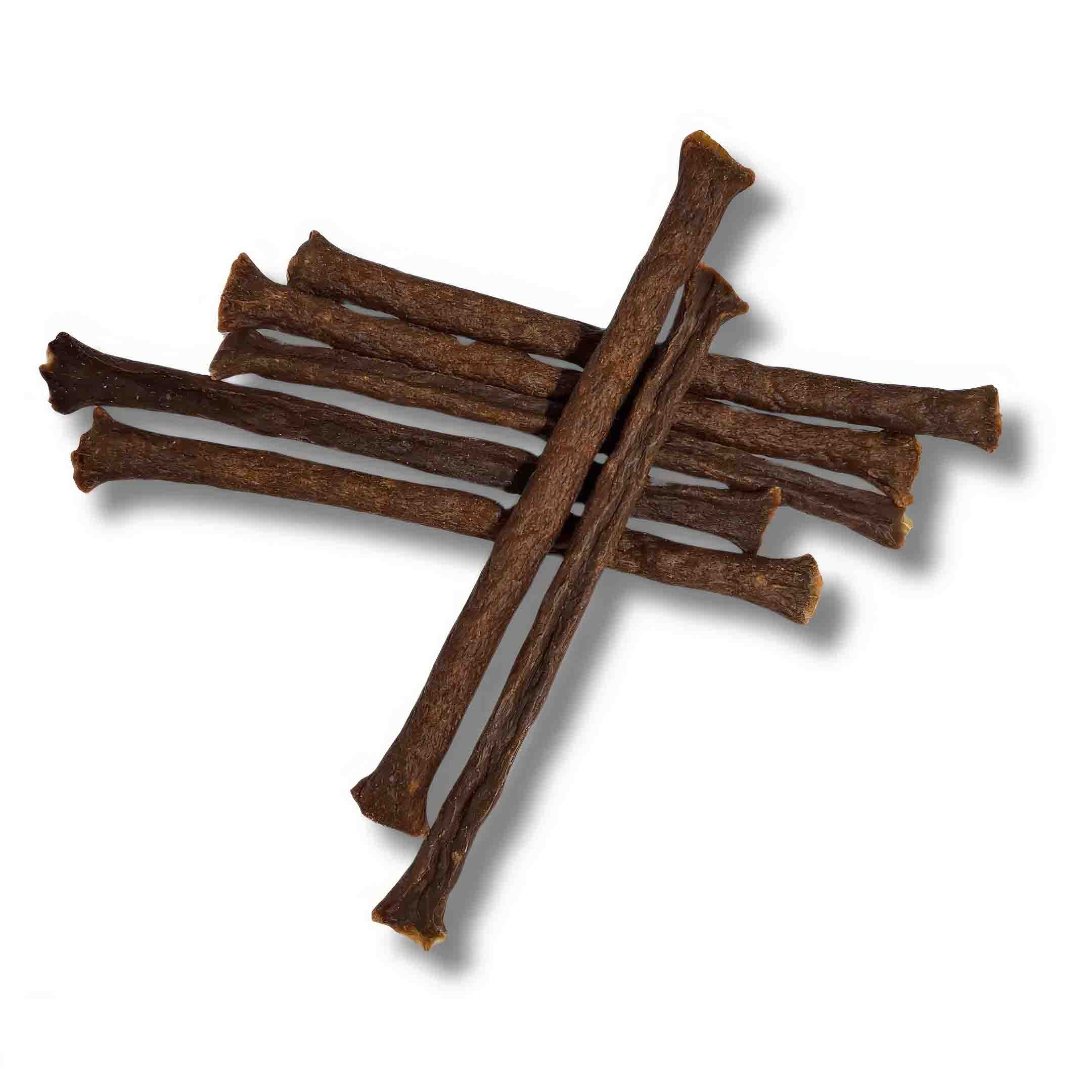
A valuable source of rewards is often dog training treats – small snacks that puppies love and that help you motivate them specifically.
When is the right time for the first reward for a puppy?
As soon as your puppy arrives, you can essentially start training – but when exactly should you reward for the first time? Here's a clear overview:
1. Immediately after arriving home
Direct positive reinforcement at the beginning is very useful. Reward your puppy, for example, when he lies quietly in his bed, successfully achieves his first house training, or interacts lovingly with you. This teaches him that his new home and certain behaviors are great.
> Tip: Use small, desirable rewards right from day one. Pay attention to high-quality and suitable puppy snacks, e.g., from the Snack4Pet range.
2. When learning first commands (from approx. 8 weeks)
At about 8 weeks, puppies begin to understand simple commands. As soon as the puppy responds to its name, sits, or comes to you, for example, it's time for the first targeted reward. This shows the direct connection between behavior and positive feedback.
3. Always immediately after desired behavior
In dog training, the time between behavior and reward is crucial: The faster the reward is given, the clearer the puppy understands what it is being rewarded for. Therefore, always practice promptly and consistently.
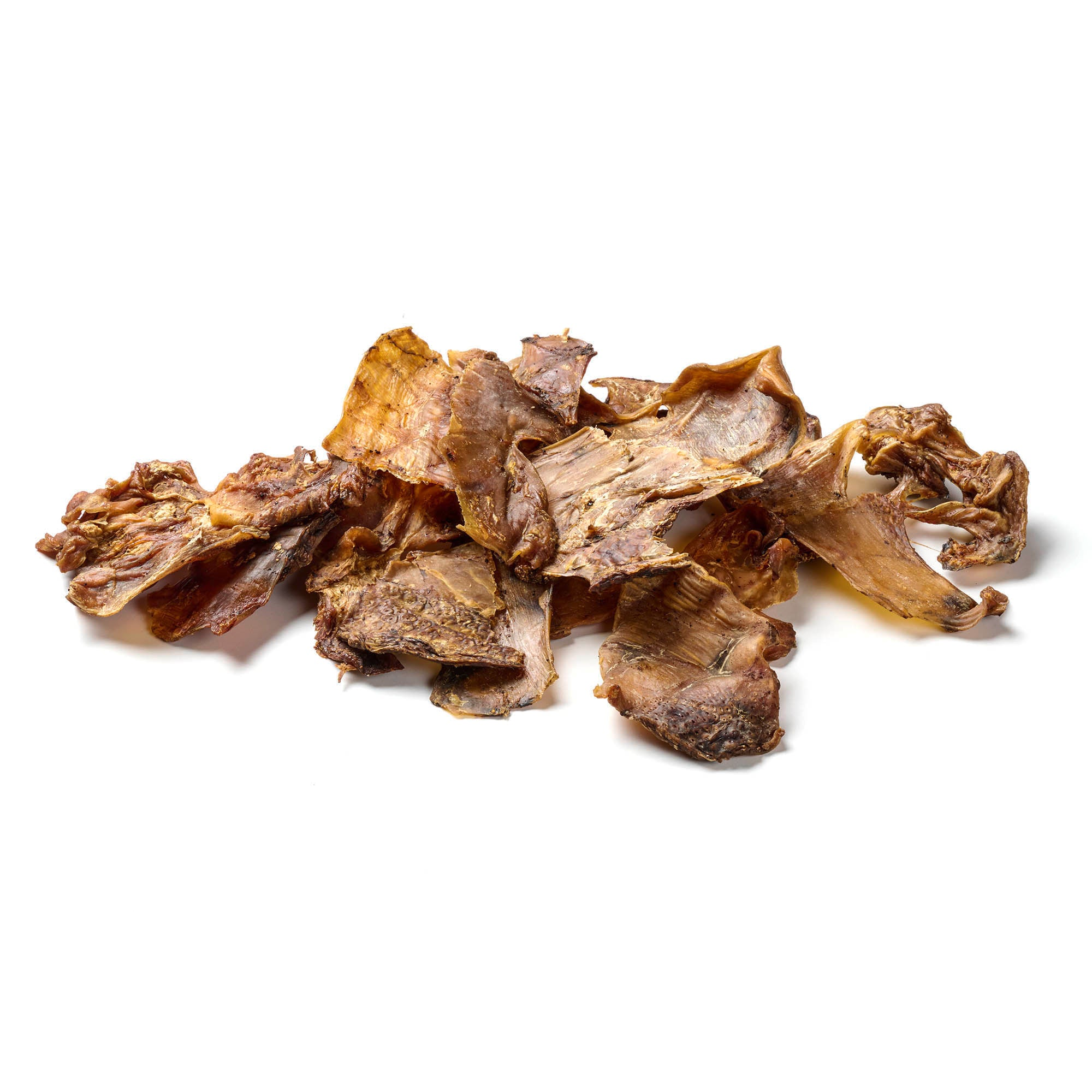
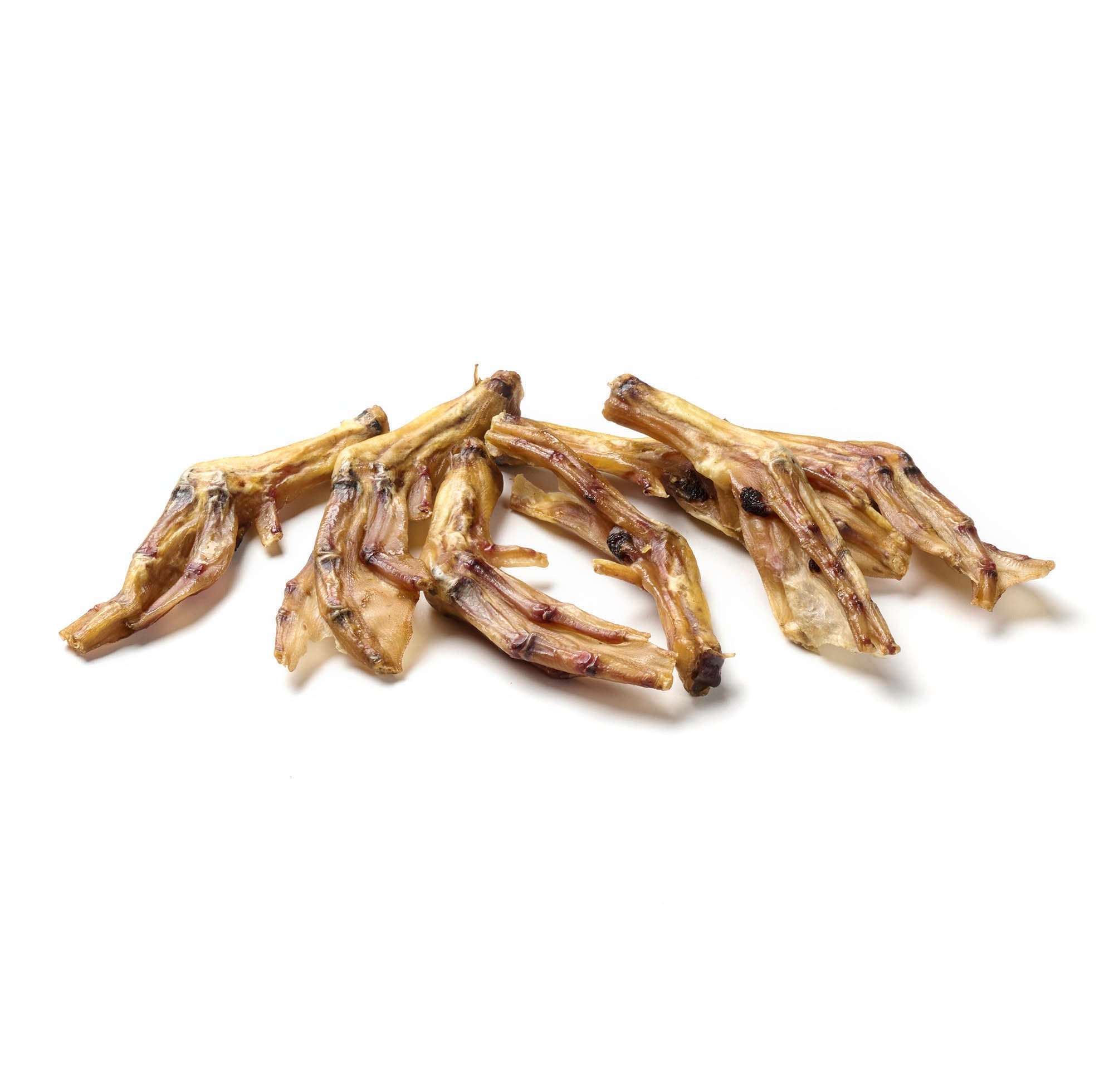
Treat your dog to something special with our chews!
What types of rewards are suitable for puppies?
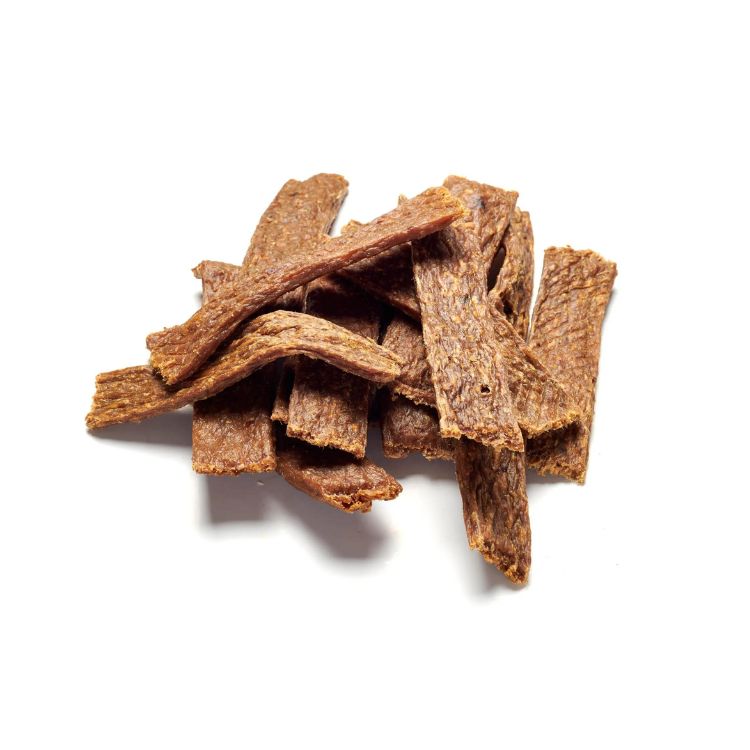
Rewards don't always have to be treats; praise, petting, or play are also great options. However, especially in the beginning, dog training treats are often most effective, as puppies are particularly motivated by them.
Overview of Reward Types
| Reward Type | Benefit | Example |
|----------------------|---------------------------------|------------------------------|
| Treats | Quickly consumed, highly motivating | Small dried snacks or special puppy biscuits |
| Verbal Praise | Social feedback, bond building | "Good job!", "Well done!" |
| Petting| Emotionally connecting | Gentle petting behind the ears |
| Play | Varied, fun | Short game of fetch, tug-of-war |
For training, you should primarily focus on low-calorie and well-tolerated treats to avoid overfeeding.
You can find more information about suitable snacks for your puppy training in our blog article on making your own dog biscuits, for example.
When should you not give a reward?
Not every behavior should be rewarded – this way your puppy also learns the boundaries. Here are a few situations where you should refrain from giving a reward:
- For undesirable behavior such as biting, chasing, or jumping
- If your puppy reacts fearfully or stressed
- When ignoring your commands
Instead, consistent and patient guidance is required here, combined with waiting and, if necessary, redirecting to desired behaviors.
5 important puppy training tips for using rewards
For your dog training with treats and other rewards to be truly successful, follow these tips:
- Small portions, many repetitions: Puppies have small stomachs – too many rewards can quickly lead to obesity.
- Combine praise and treats: Reinforce positive associations with simultaneous verbal praise and affection.
- Vary the rewards: Variety keeps the puppy motivated – try different snacks and games.
- Give rewards promptly: Praise immediately after the behavior so the puppy understands the connection.
- Gradually fade the reward system: Once your puppy has mastered the first commands, don't always reward with treats, but incorporate social rewards.
Frequently asked questions about rewarding puppies
When can I give my puppy its first treat?
You can give your puppy small treats from the first week at home, ideally as positive reinforcement for desired behavior. Make sure the snacks are puppy-appropriate and small.
How long does it take for puppies to understand the reward system?
Understanding the connection between behavior and reward can occur after just a few repetitions, usually within the first training sessions with consistent application.
Should I always give my puppy treats?
Not always – eventually you should work with fewer treats and more praise or play, so your puppy learns even without food motivation.
What do I do if my puppy doesn't accept a reward?
Try different treats or types of rewards. Some puppies, for example, respond better to play or physical contact than to food. Patience is key.
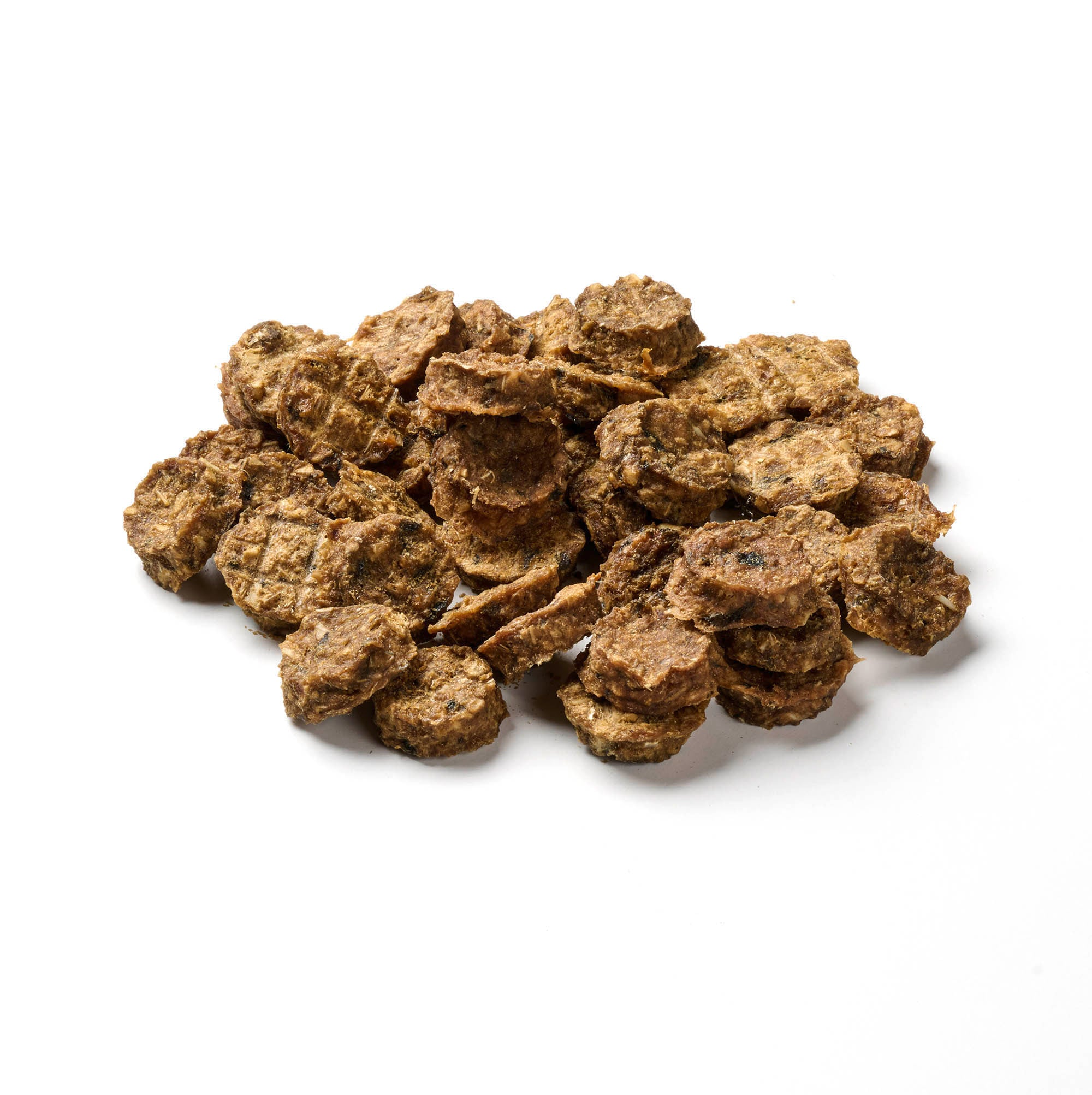
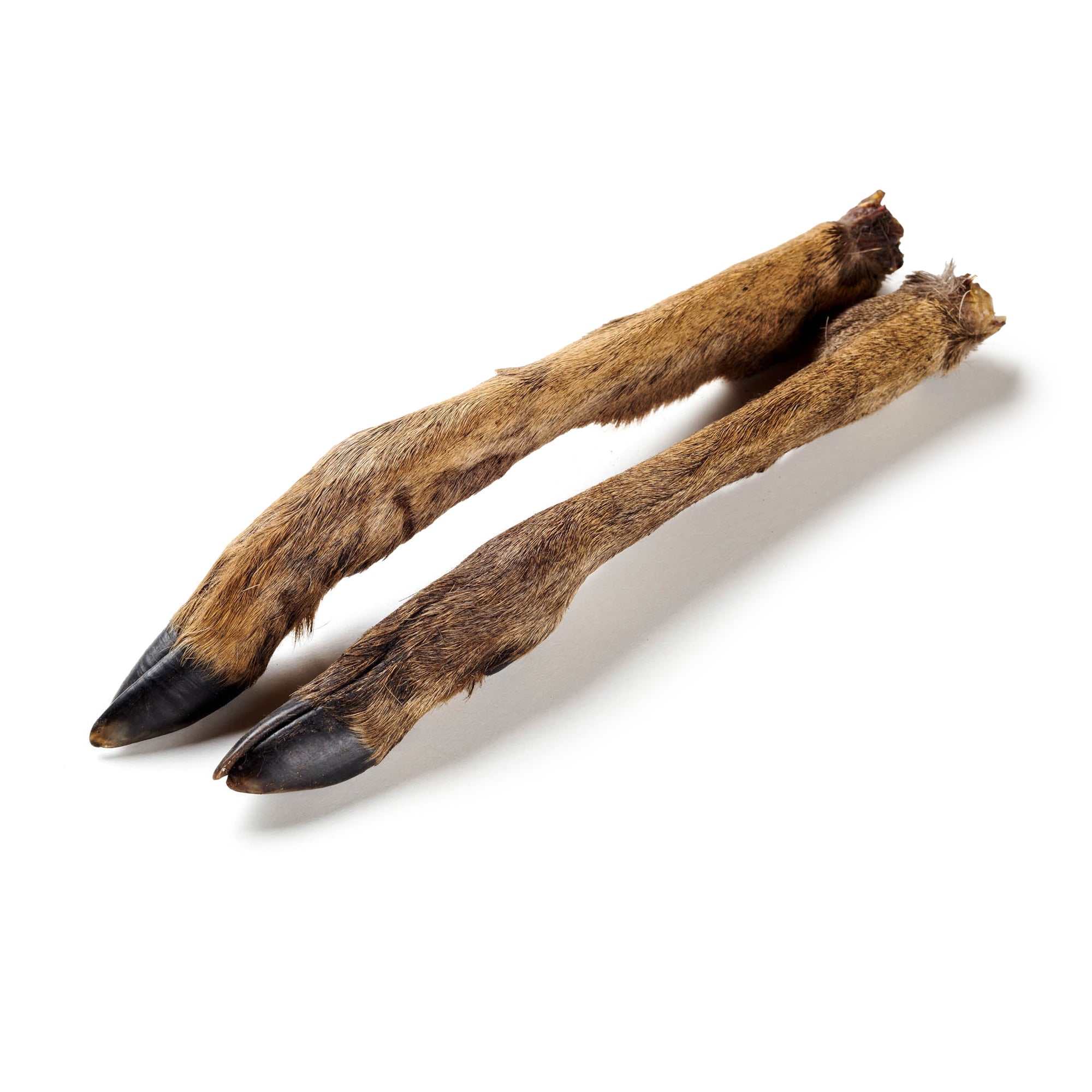
Reward your best friend with our dog snacks!
Conclusion: How to successfully start with the first reward in puppy training
The right time for the first reward is right at the beginning of your puppy training – as soon as your puppy reacts positively to its new environment or understands its first commands. Use high-quality and healthy treats as valuable motivation, especially in the first few weeks.
With love, patience, and a well-thought-out reward system, you lay the foundation for a harmonious coexistence and successful puppy training.
Would you like to discover more exciting tips on puppy training and high-quality snacks? Then feel free to visit Snack4Pet and find the perfect food and rewards for your four-legged friend!
Have fun learning and growing together with your new best friend! 🐾