
Dried tripe for dogs: why dogs love it
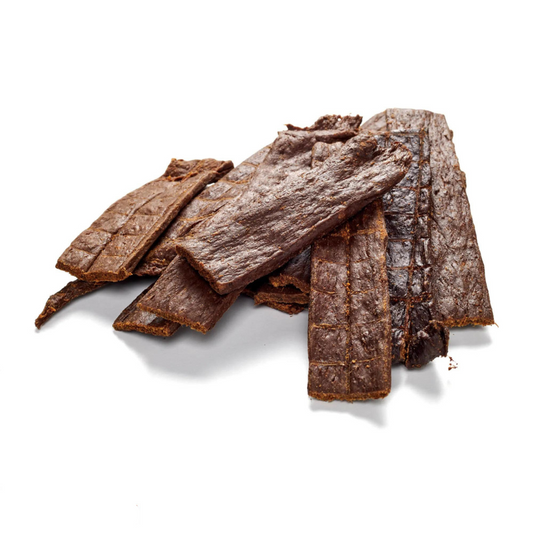
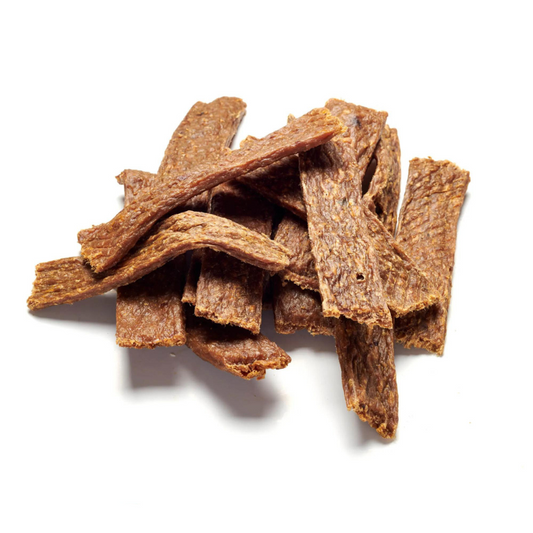
Tripe for dogs is the dried forestomach of ruminants such as cattle, lamb, goat or deer – and one of the most popular chews of all for many dogs. Dried tripe is usually rich in protein and comparatively low in fat, but it has a strong smell, and it is precisely this intense aroma that makes it so irresistible to dogs. In this article, you will learn why tripe is good for dogs, how often you can feed it and how to deal with its typical smell.
Content: Dried tripe for dogs: why dogs love it
- What is tripe?
- Why is tripe good for dogs?
- Why does tripe smell so strong?
- How often can a dog have tripe?
- Tripe compared with other offal
- Frequently asked questions about tripe for dogs
- Conclusion: dried tripe – the fragrant favourite of many dogs
Classic tripe chews:


What is tripe?
Tripe (the rumen) is the largest section of the forestomach system of ruminants. This is where plant food is broken down with the help of microorganisms before it is digested further.
The stomachs of ruminants
Ruminants such as cattle, sheep, goats and deer have a multi-chambered stomach: rumen, reticulum, omasum and abomasum. All of these parts can be used as chews. In addition to tripe, our range includes, for example, beef omasum and beef abomasum, which differ slightly in texture and taste.
Green and white tripe
"Green tripe" is unwashed tripe to which remnants of the stomach contents still cling. It smells particularly intense. Cleaned tripe looks lighter and smells somewhat milder. For dried chews, tripe is usually cleaned, cut and gently dried. A special variant is freeze-dried green tripe, which largely retains its original structure. You will find more varieties in the category freeze-dried snacks.
Why is tripe good for dogs?
Tripe is a good snack for many dogs because it is natural, rich in protein and usually low in fat, and its fibrous structure encourages extensive chewing.
High in protein and rather low in fat
Dried tripe provides plenty of animal protein. According to the product description, our beef tripe, short, for example, contains around 80 percent crude protein and less than 4 percent crude fat. This makes it one of the leaner chews – an advantage for dogs that need to watch their figure. The exact values differ depending on the animal species and product.
Natural structure for chewing
The rough, fibrous surface invites nibbling. Depending on thickness and length, tripe is a short snack or a longer activity. As a plate, such as the lamb tripe plate, it keeps dogs busy for a particularly long time.
Single protein and good variety
Tripe is available from different animal species. Since each tripe comes from only one species, it is well suited to dogs that only tolerate certain protein sources. Whether beef, lamb, goat or deer – you can alternate or stick to one well-tolerated variety.
Tripe for dogs with sensitive stomachs
Many dogs tolerate dried tripe well, but every dog reacts differently. If your dog has a sensitive stomach, start with a small piece of one variety and wait one to two days before giving more. If stool and behaviour remain normal, you can add tripe to the snack plan permanently. If flatulence or soft stool occur, reduce the amount or try a different animal species.
Tripe from goat, deer and buffalo:


Why does tripe smell so strong?
Tripe smells so strong because, as a digestive organ, it contains remnants of digestive juices and fermentation products whose aroma is preserved during drying. For people, this takes some getting used to; for dogs, on the other hand, it is a feast.
What dogs love about the smell
A dog's nose is many times more sensitive than ours. The spicy, intense aroma tells him: there is something special here. That is why tripe is often a hit even with picky dogs and is suitable as a high-value reward.
Tips against the smell
- Store airtight: Keep tripe in a tightly closing tin or jar.
- Feed outdoors: In good weather, give it on the terrace or in the garden.
- A fixed chewing spot: A washable blanket as a chewing spot protects carpet and sofa.
- Wash your hands: It is best to wash your hands after touching it.
- Buy small amounts: Freshly opened packs smell more intense – use them up promptly.
You will find more storage tips in the article Proper storage of chews.
How often can a dog have tripe?
A healthy dog can have dried tripe regularly, for example several times a week as a snack – as long as the amount is planned into the daily ration.
Amount by dog size
| Dog size | Guide |
|---|---|
| Small dogs | short, thin pieces; rather one small piece per snack |
| Medium-sized dogs | one short to medium-sized piece |
| Large dogs | long pieces or plates for longer chewing time |
As a rule of thumb, all snacks together should make up no more than about 10 percent of the daily energy requirement. Deduct the calories from the food ration if you give tripe more often.
What to look out for
- Introduce slowly: Start with a small piece and watch digestion.
- Choose the right size: The piece should not be able to be swallowed whole.
- Supervise chewing: Remove leftover pieces in time.
- Provide water: Dried chews make dogs thirsty.
- With pre-existing conditions: Discuss feeding with your vet.
Tripe for different chewing types
Short, thin pieces that are chewed quickly are suitable for connoisseurs and smaller dogs. Strong chewers have more to do with long sticks or a tripe plate. If you want to offer your dog a particularly long-lasting activity, choose combinations such as hide bones with tripe. The first time, watch how quickly your dog finishes each form and adjust your choice accordingly.
Tripe as a bone and freeze-dried:


Tripe compared with other offal
Compared with other offal, tripe is a firm, fibrous chew, while lung is light and airy, heart is rather meaty and liver is particularly rich in nutrients but only suitable in small amounts.
| Offal | Structure | Use |
|---|---|---|
| Tripe | fibrous, firm | chew, regular snack |
| Lung | light, airy | training snack, low-calorie reward |
| Heart | meaty, firm | snack and training reward |
| Liver | soft, crumbly | only in small amounts |
You will find an overview of other offal in our article Dried lung, tripe & co and in the categories offal for dogs and beef. You can read the basics in our guide Offal for dogs.
Frequently asked questions about tripe for dogs
Why is tripe good for dogs?
Dried tripe is natural, rich in protein and usually low in fat. Its fibrous structure encourages chewing, and the intense aroma makes it attractive even to picky dogs. Since it comes from only one animal species, it is also a single-protein snack.
How often can a dog have tripe?
Healthy dogs can have tripe several times a week as a snack. It is important to count the calories towards the daily ration and to adapt the piece size to your dog.
Why does tripe smell so strong?
Tripe is a digestive organ and contains remnants of digestive juices and fermentation products. This aroma is preserved during drying. Airtight storage and feeding outdoors help against the smell.
Is tripe suitable for puppies?
Many puppies tolerate thin, short pieces of tripe well. Pay attention to small amounts, a suitable size and supervision while chewing. During teething, softer chews are often more comfortable.
What is the difference between green and dried tripe?
Green tripe is unwashed and smells particularly intense. Dried tripe is usually cleaned and dried, making it long-lasting and easier to store. Freeze-dried green tripe combines both.
Conclusion: dried tripe – the fragrant favourite of many dogs
Dried tripe is a natural, protein-rich and usually low-fat chew that many dogs love because of its intense aroma. Whether from beef, lamb, goat, deer or buffalo – it provides variety and is suitable as a regular snack, as long as you plan the amount and the piece size suits your dog. You can keep the smell under control with airtight storage. You will find more long-lasting chews in the category long-lasting chews.
Further reading on this topic:
This post was created with the help of AI