
Flatulence in dogs: is it the treats?
Flatulence in dogs is usually caused by food that ferments heavily in the gut, by eating hastily and swallowing lots of air or by a sudden change of diet – and yes, treats can also be the trigger. The occasional fart is normal, but frequent, strong-smelling gas is a sign that something isn't quite right. In this post you'll learn which snacks encourage flatulence, what helps your dog's digestion and when you should see the vet.
Content: Flatulence in dogs: is it the treats?
- Why does my dog have gas?
- Which treats cause flatulence in dogs?
- What helps against flatulence in dogs?
- Supporting your dog's digestion with the right chews
- When is flatulence in dogs a case for the vet?
- Frequently asked questions about flatulence in dogs
- Conclusion: reducing flatulence in dogs with the right feeding
Light, low-fat chews for sensitive tummies:


Why does my dog have gas?
A dog has gas when more gas forms in the gut than usual – mostly because bacteria ferment hard-to-digest food components or because they swallowed a lot of air while eating. So the cause almost always lies in the feeding or eating behaviour.
Common causes at a glance
- Eating fast: Dogs that gulp swallow a lot of air.
- Sudden change of food: The gut flora needs time to get used to something new.
- Hard-to-digest ingredients: Pulses, cabbage or large amounts of certain fibres ferment in the large intestine.
- Dairy products: Many adult dogs only tolerate lactose in small amounts.
- Table scraps: Spicy, fatty or unfamiliar food upsets digestion.
- Too many or very fatty treats: The sum of many extras puts a strain on the gut.
When gas is normal
A little gas in the gut is completely normal – every dog passes wind now and then. You should pay attention if flatulence suddenly becomes more frequent, smells very bad or comes with gurgling, soft stools or discomfort.
Which treats cause flatulence in dogs?
Flatulence from treats is mainly caused by large amounts at once, very fatty snacks, new types and ingredients that ferment heavily in the gut. Which snack causes problems varies from dog to dog, though – what one dog tolerates poorly is no problem for another.

Typical culprits
| Type of snack | Why it can cause gas | Alternative |
|---|---|---|
| Snacks with pulses (peas, lentils) | fermenting carbohydrates | potato- or meat-based snacks |
| Cheese and dairy snacks in large amounts | lactose | small pieces only, test slowly |
| Very fatty chews | strain digestion | low-fat chews |
| Lots of different snacks at once | the gut never settles | a few well-tolerated types |
Snacks that are often well tolerated
Many dogs do well with low-fat single-protein snacks – treats made from just one animal. Examples include the particularly digestible ostrich aorta, thin lamb spaghetti for small and sensitive dogs or mini camel meat cubes for training. Why snacks with a single protein source have advantages is explained in our post Single protein snacks.
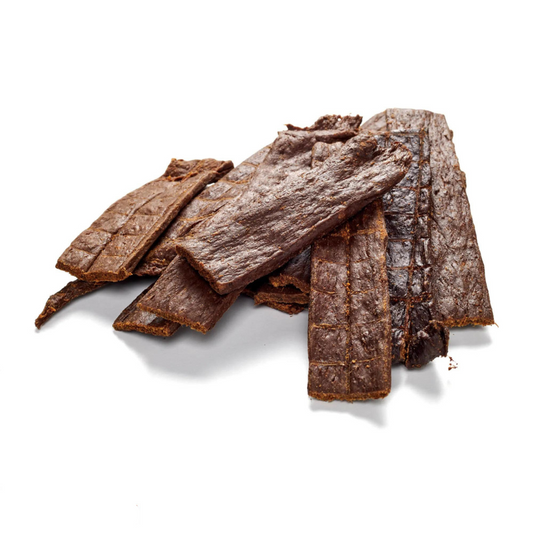
Small, lean treats made from lamb and buffalo:


What helps against flatulence in dogs?
The main things that help against flatulence in dogs are eating more slowly, a gradual change of food, fewer and better-tolerated treats and regular exercise. Often it's enough to find and remove a single trigger.
Step by step to the cause
- Reduce snacks: For two weeks, only give one or two proven types of treat.
- Take notes: Record when the flatulence occurs and what your dog ate beforehand.
- Test new types one at a time: Only ever introduce one new snack and watch for a few days.
- Cut out table scraps: Even small amounts from your plate can make a big difference.
- Check the main food: If the problem persists, the main food may be the reason – talk to your vet about a change.
Improve eating behaviour
- Let your dog eat more slowly: Slow-feeder bowls, snuffle mats or several small meals help. You'll find tips in our post Why dogs gulp down food.
- Rest after eating: Avoid wild play straight after a meal.
- Exercise spread over the day: Walks stimulate the gut and help release gas.
Change food slowly
It's best to introduce a new food or new snacks over about one to two weeks by gradually increasing the new share. Our guide Changing your dog's food shows exactly how.
Supporting your dog's digestion with the right chews
The right chews support digestion when they are given in small amounts, are low in fat and consist of a few well-tolerated ingredients. Long chewing also stimulates saliva flow and makes for calmer eating than hastily gobbled treats.
What to look out for
- Short ingredient list: Ideally single feed materials from one animal.
- Little fat: Lean chews are an advantage, especially for sensitive dogs.
- Less common proteins: If you suspect an intolerance, hypoallergenic chews are worth a try, for example made from lamb.
- The right size: Chews that have to be chewed thoroughly instead of being swallowed whole.
- Keep an eye on quantity: Small treats such as training snacks are easy to portion.
If vomiting or diarrhoea also occur
If vomiting or diarrhoea come on top of flatulence, our post Dog vomiting after a chew will help you assess the situation.
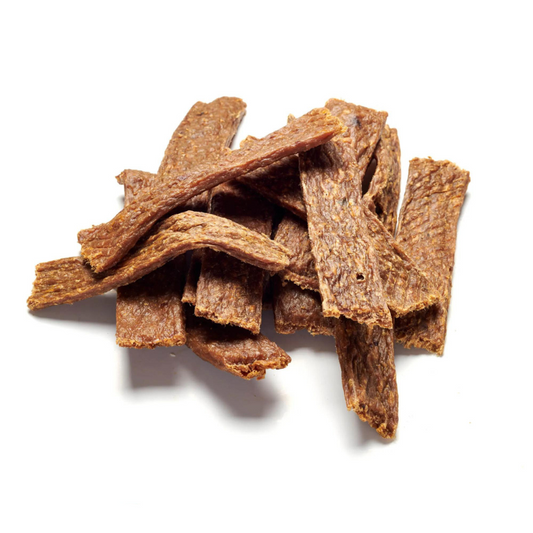
Firm chews for calm, long chewing:


When is flatulence in dogs a case for the vet?
You should see the vet if the flatulence persists for several days despite changing the food or is accompanied by diarrhoea, vomiting, weight loss or pain. A suddenly very bloated, hard belly is an emergency.
Emergency: suspected gastric torsion
If your dog's belly is suddenly tight and hard, they retch without bringing anything up, drool heavily and seem restless, gastric torsion may be the cause. Large dogs with a deep chest are particularly at risk. In this case, go straight to the nearest animal hospital – every minute counts.
Other warning signs
- Persistent flatulence for more than a few days despite adjusted feeding
- Diarrhoea or vomiting in addition to the flatulence
- Weight loss or decreasing appetite
- Abdominal pain, a hunched posture or sensitivity to touch
Frequently asked questions about flatulence in dogs
Why does my dog have gas?
It's usually down to the food or eating behaviour: hard-to-digest ingredients, a sudden change of food, too many treats or eating hastily and swallowing lots of air. If the flatulence persists despite changes, your vet should rule out possible illnesses.
Which treats cause flatulence?
Common culprits are snacks with pulses, larger amounts of cheese or dairy, very fatty chews or simply too many different types at once. Which snack causes gas varies from dog to dog – so test new types one at a time.
What helps against flatulence in dogs?
Let your dog eat more slowly, change food gradually, reduce treats and stick to a few well-tolerated types. Regular exercise supports digestion. If nothing improves, your vet is the right person to contact.
My dog farts a lot – is that dangerous?
Frequent farting on its own is usually harmless, but a sign that the feeding isn't quite right. It becomes dangerous if pain, vomiting, diarrhoea or a hard, bloated belly are added – then you should see the vet immediately.
Do chews help against flatulence?
Chews are not a cure, but they can be a good alternative to lots of small treats swallowed quickly. Low-fat chews from a single animal, given in the right amount, are well tolerated by many sensitive dogs.
Conclusion: reducing flatulence in dogs with the right feeding
Flatulence in dogs usually has a simple cause: eating too fast, an abrupt change of food or treats that aren't well tolerated. Reduce the variety of snacks, test new types one at a time and rely on low-fat chews with just one protein source. If the problem persists or pain, vomiting or diarrhoea are added, you should see the vet – a suddenly hard, bloated belly is always an emergency. You'll find well-tolerated snacks in our low-fat chews category.
Further reading on this topic:
- The Best Natural Dog Treats for Sensitive Stomachs: A Comprehensive Guide
- Changing your dog's food: how to avoid diarrhoea
- Bowel movements in dogs - what is normal?
This post was created with the help of AI