
Child feeding dog: how kids give treats safely
When a child feeds the dog, it's something special for both of them – and it can go safely if adults are present, the child uses a flat hand or the floor, and the dog has learned to take treats gently. What matters are clear rules that suit the child's age and small snacks that are easy to portion. In this post you'll find out from what age children can give treats, how to teach them to feed properly and which treats are suitable.
Content: Child feeding dog: how kids give treats safely
- Can my child give the dog treats?
- Child feeding dog: rules by age
- How do I teach children to feed properly?
- Which treats are suitable for little hands?
- Frequently asked questions: child feeding dog
- Conclusion: reward together, feed safely
Small meat cubes that little hands can portion easily:


Can my child give the dog treats?
Yes, your child can give the dog treats if an adult is present, the dog is relaxed and the child is old enough to understand simple rules. Rewarding together strengthens the bond and teaches children to treat the animal with respect.
What speaks for it
- Bond: The dog associates the child with pleasant experiences.
- Responsibility: Children learn to pay attention to an animal's needs.
- Structure: Fixed rules give both dog and child a sense of security.
When you'd better skip it
If your dog guards its food, snaps when taking treats or is currently excited, tired or ill, your child shouldn't give treats. Children should also only feed unfamiliar dogs after checking with the owner. You can read how living together with very young children works in the post Dog and baby: how to live together happily.
Child feeding dog: rules by age
What role your child can take on when feeding depends mainly on their age and how calm they are: toddlers place treats on the floor only together with an adult, school-age children can feed from a flat hand with guidance.
| Child's age | What's possible | Important |
|---|---|---|
| under 3 years | place a treat on the floor together with an adult | never alone with the dog |
| 3 to 6 years | place a treat on the floor or in a bowl | adult right next to them |
| 6 to 10 years | feed from a flat hand, simple exercises | fixed rules, supervision |
| 10 years and up | short training sessions with guidance | dog must know how to take gently |
The ages are a rough guide. What counts is your child's personality and your dog's character. A calm child and a relaxed dog can take on more earlier, a lively child or an insecure dog need more support.
Supervision is always a must
Whatever the age: children and dogs should never be left unsupervised while feeding. An adult spots stress signals earlier and can step in in time.
Learning stress signals together
Children can learn early on when a dog would rather be left alone. Explain simple signs to your child and talk them through together, for example using photos or by watching the dog together:
- Yawning and licking the lips: The dog is tense or unsure.
- Turning the head away: The dog wants some distance.
- Tucked tail or crouched posture: The dog feels uncomfortable.
- Freezing, growling or curled lips: Step back immediately and call an adult.
If your dog shows signals like these, feeding is over for the moment. This way your child learns to respect the dog's boundaries, and your dog learns that its signals are understood.
How do I teach children to feed properly?
The best way to teach children to feed properly is step by step: show them first, then practise together and finally let them do it themselves with clear, simple rules.

- An adult is present: Feeding is always teamwork with mum, dad or another adult.
- The dog sits calmly: Only when the dog is sitting or standing relaxed is there a treat.
- Flat hand or floor: The treat lies on the open, flat hand – fingers together, thumb tucked in. Alternatively, the child places it on the floor.
- Stay calm: No shrieking, no pulling away, no waving it in front of the dog's face.
- Respect breaks: When the dog is eating or chewing, the child leaves it in peace. The dog also deserves peace on its bed.
Preparing the dog
Before your child feeds, your dog should have learned to take treats carefully. Practise this yourself first with small pieces. Our post Treats and snacks in dog training explains how dogs generally learn with rewards.
Playful tasks for children
- Hide treats in the garden for a search game.
- Practise a simple "sit" with a reward.
- Count out the daily ration of treats together with an adult.
- Watch for the signs that show the dog is relaxed.
Which treats are suitable for little hands?
Small treats that don't crumble, are easy to hold and that the dog doesn't have to snap at hastily are suitable for little hands – such as mini meat cubes, small training snacks or soft training treats.
What to look out for
- Small: Pea- to hazelnut-sized pieces can be offered safely on the palm.
- Low in fat: Dry snacks leave less residue on the fingers.
- Limited amount: Put the treats for your child into a small bowl beforehand so that not too many are fed.
- No human food: Sweets, chocolate, grapes or raisins are off limits for dogs. Our checklist of foods that are toxic for dogs shows what else is dangerous.
Suitable snacks from our range
Good choices include mini chicken meat cubes from the category mini meat cubes or small sticks such as the goat training snack. You'll find more ideas under training snacks. If your dog has an allergy, choose snacks together with your child from the category hypoallergenic chews.
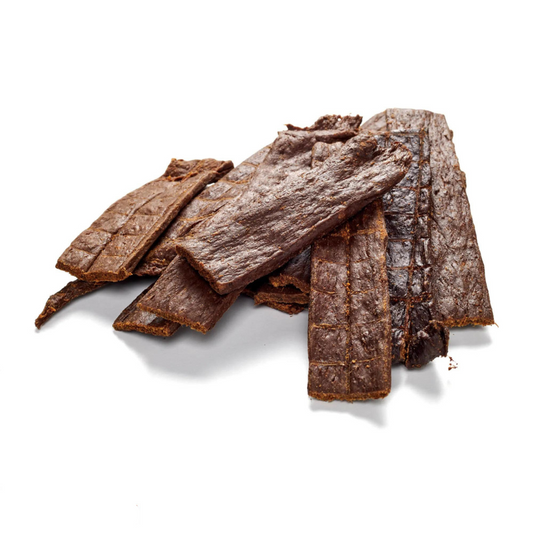
Training snacks for your first exercises together:


Don't forget hygiene
Children should wash their hands after feeding. This applies especially to snacks made from meat or fish. Toddlers also shouldn't put treats in their mouths – even if they're curious. So store the snacks where small children can't reach them on their own, and only put the prepared portion into the small bowl. That way you keep track, and your child knows exactly how many treats they may hand out.
How many treats are okay?
Treats from a child's hand also count towards the daily ration. So agree on a fixed amount together. The 10 percent rule for treats offers guidance.
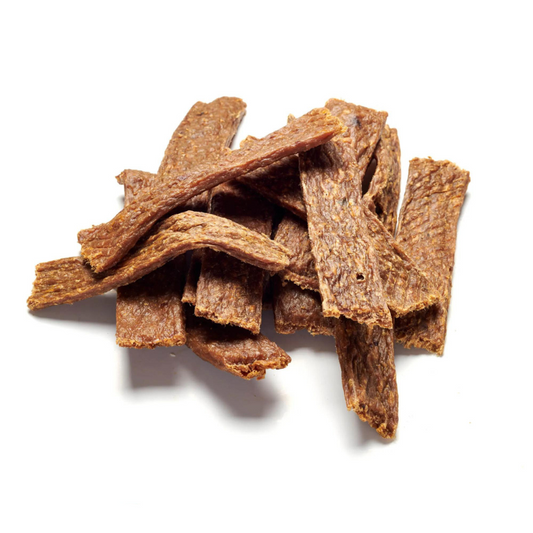
Soft and small snacks for gentle rewards:


Frequently asked questions: child feeding dog
Can my child give the dog treats?
Yes, if an adult is present and the dog is relaxed. Small children are best off placing treats on the floor, older children can feed from a flat hand with guidance.
How do I teach children to feed properly?
Show it yourself first, then practise together and only then let your child feed with simple rules: dog sits, flat hand, stay calm, respect breaks.
Which treats are suitable for this?
Small, dry snacks that are easy to hold, such as mini meat cubes or training snacks. They are easy to portion and are less likely to tempt the dog to snap.
From what age can a child feed the dog alone?
Children shouldn't feed a dog completely on their own. Older children also need an adult nearby who keeps an eye on the situation.
What should I do if the dog snaps at my child?
Stop the feeding and let only adults reward the dog for the time being. Train gentle taking and, if the snapping happens repeatedly, get support from a dog trainer.
Conclusion: reward together, feed safely
When a child feeds the dog, lovely shared moments are created – provided an adult is present and everyone knows the rules. Small snacks, a flat hand or the floor and a dog that has learned to take gently make feeding safe. Adapt the tasks to your child's age and respect the dog's rest periods.
Further reading on this topic:
- Dog and baby: How to live together successfully
- Petting dogs properly - what do I have to pay attention to?
- How Many Treats per Day? The 10 Percent Rule
This post was created with the help of AI