
5 Signs Your Dog Suffers from a Food Allergy
Dog Food Allergy Symptoms – 5 Signs You Should Know
Does your dog constantly itch, chew his paws, or repeatedly develop skin rashes? Many canines suffer from a food allergy, which is often recognized late. Certain ingredients in food can trigger allergies and discomfort – which can quickly become a great source of suffering for your dog.
In this post, we'll show you the 5 most important dog food allergy symptoms so you can act early and help your beloved pet achieve a better quality of life. You'll also get helpful information about dog food allergies and tips on how to identify and avoid allergy-triggering foods.
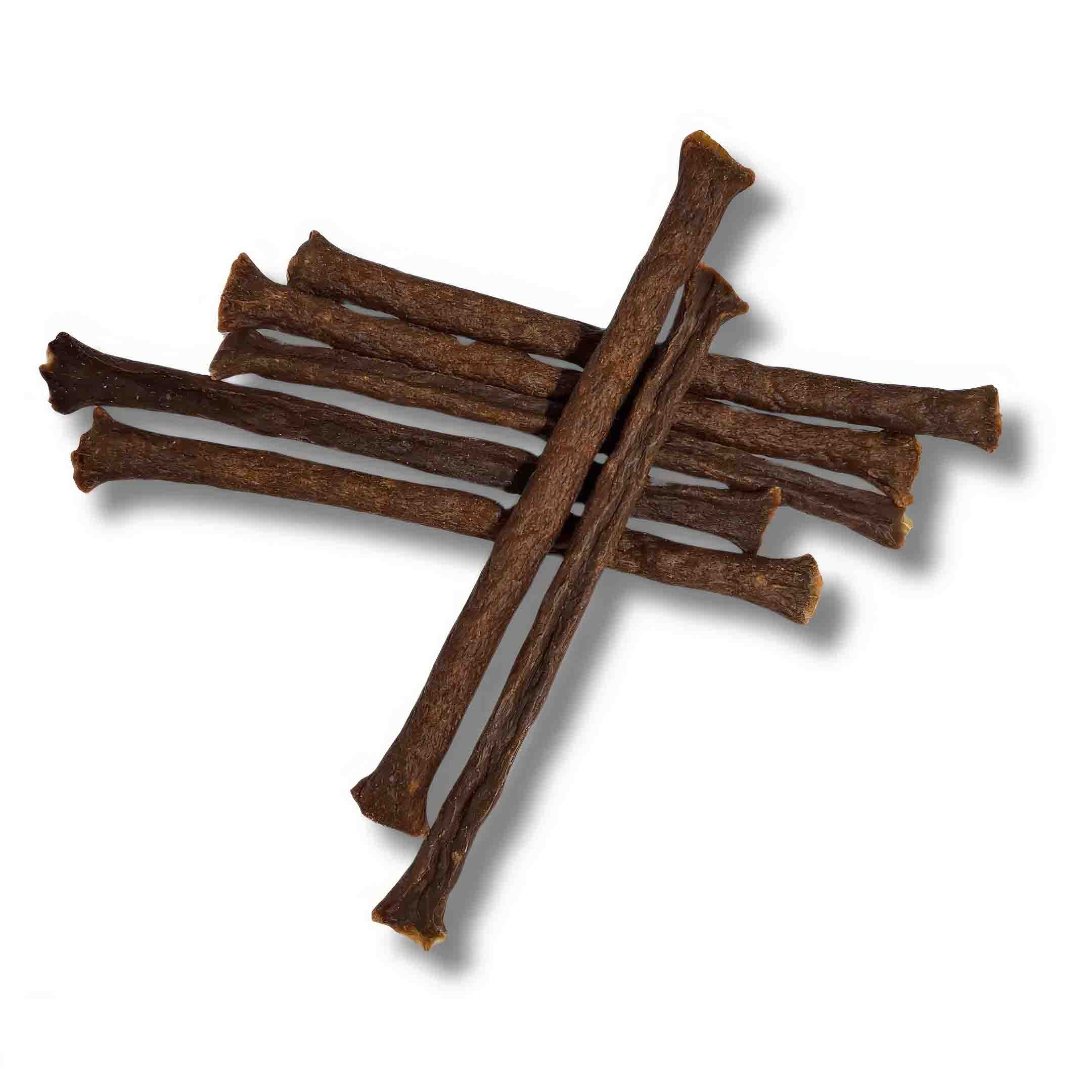
Spoil your dog with high-quality chew items from our range!
What is a Food Allergy in Dogs?
A food allergy is an overreaction of the immune system to certain proteins or other components in dog food. Unlike an intolerance, where the digestive system has difficulties, here an immune reaction occurs that can trigger inflammation and various symptoms. Dogs often react to common ingredients such as beef, chicken, dairy products, or grains.
If your dog constantly scratches, itches, or has skin problems, this could be an indication of such an allergy. The allergy leads to unpleasant symptoms that mainly affect the skin and coat.
5 Signs of a Dog Food Allergy
1. Your Dog Itches Constantly and Intensely
The most striking symptom of a dog food allergy is intense itching. The following areas are particularly often affected:
- Head and ear area
- Paws (intense licking and biting)
- Belly and armpits
The itching can be so severe that your dog scratches open the affected areas or even causes small skin wounds. If you notice that your dog is itching unusually often or scratching more than usual, this should be a warning sign.
2. Skin Problems and Coat Changes
An allergy can manifest itself through very different skin symptoms. These include:
- Redness and skin inflammation
- Scaling and dry skin
- Increased hair loss or dull coat
- Eczema or pustules
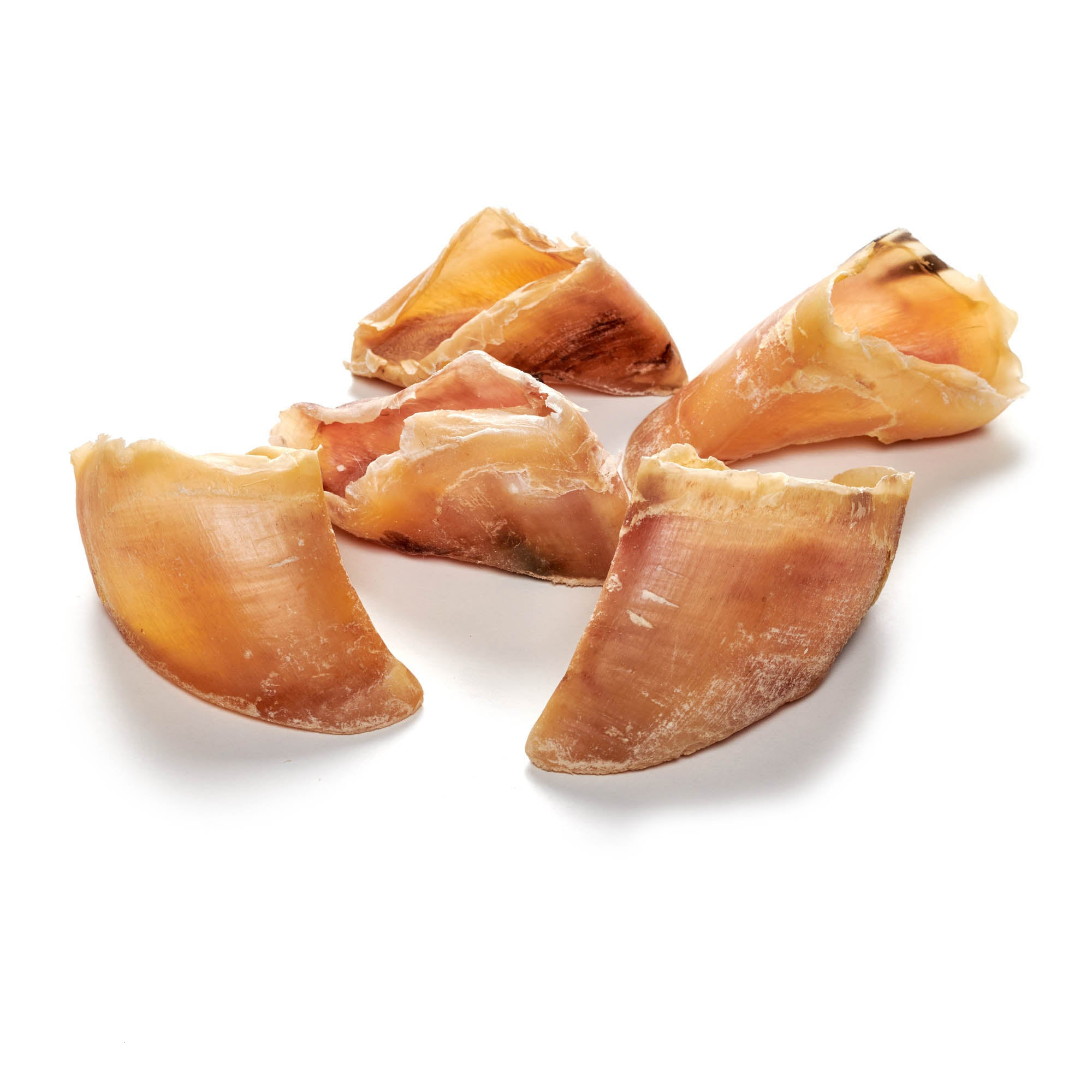
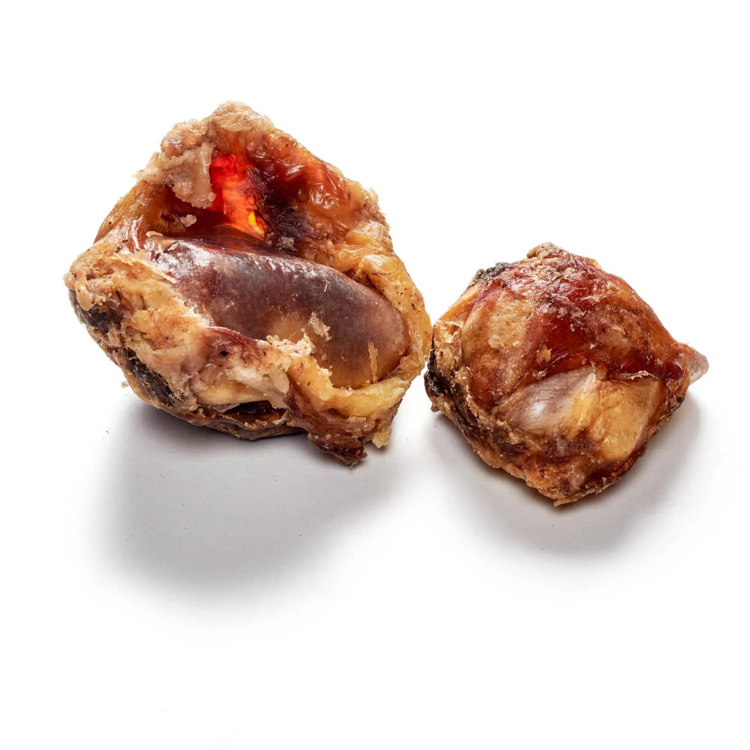
High-quality dog chews to spoil your dog, now available!
These skin changes result from the allergic reaction and the associated itching. A fungal or bacterial infection (secondary pyoderma) can also develop because the skin barrier is damaged by scratching.
3. Recurring Ear Infections
If your dog frequently suffers from ear infections, this could also indicate a dog food allergy. Allergies often weaken the immune defense in the ear, making it easier for bacteria or yeast to cause inflammation – recognizable by a red, swollen ear or an unpleasant odor. If treatment often only helps short-term, you should consider an allergy test.
4. Gastrointestinal Problems Can Also Occur
In addition to the typical skin and itching symptoms, some dogs also suffer from digestive problems such as:
- Diarrhea or soft stools
- Vomiting
- Flatulence
These symptoms do not occur in every dog but can indicate a food allergy. With recurring gastrointestinal problems, you should examine the feeding more closely.
5. Restlessness and Changed Behavior
Chronic itching and discomfort naturally also take an emotional toll on your dog. Affected dogs often become more restless, appear more irritable, or withdraw. Sleep disturbances due to constant itching are not uncommon.
Therefore, it is important to recognize and treat the cause early to spare your four-legged friend unnecessary suffering.
What to Do if You Suspect a Food Allergy in Your Dog?
Have the Allergy Diagnosed by a Vet
The diagnosis of a food allergy is ideally made through a careful elimination diet, which you should best carry out in consultation with your veterinarian. During this, your dog will only be fed food with a single protein source that he has not eaten before (e.g., venison or duck) for several weeks.
If the itching subsides, you can gradually add other ingredients to pinpoint the culprit. Skin and blood tests can also be supportive.
Choose Appropriate Hypoallergenic Food
Once it is determined that your dog suffers from an allergy, a permanent switch to a hypoallergenic dog food is advisable. This either contains only a few, well-tolerated protein sources or no potentially allergy-triggering substances such as grains or certain proteins. More information on hypoallergenic food can be found in our guide to hypoallergenic dog food.
Pay Attention to Snacks and Treats
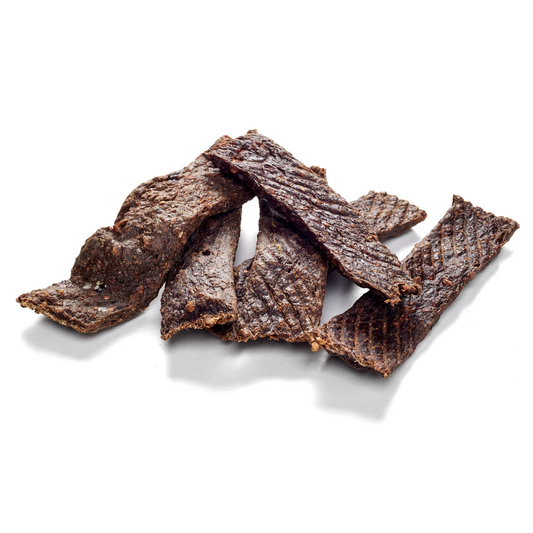
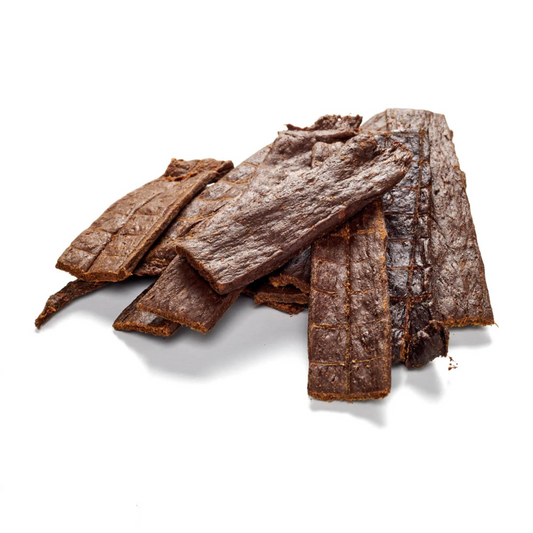
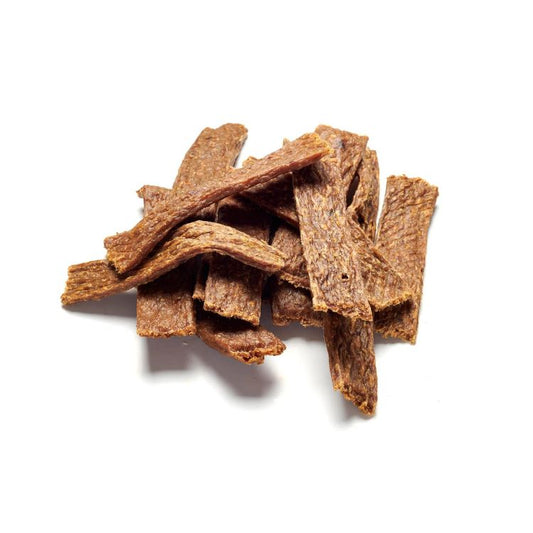
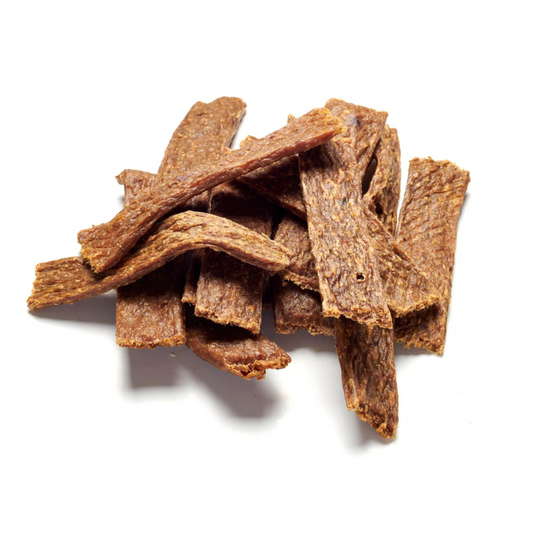
Even with snacks and treats, you should carefully check what ingredients are included. Allergens are often hidden there, which can jeopardize the success of your dietary change. We recommend specially developed low-allergen dog snacks that you can offer without a guilty conscience.
Frequently Asked Questions About Dog Food Allergies
What are the most common allergy triggers in dog food?
Dogs most commonly react to:
- Beef
- Chicken
- Dairy products
- Grains (especially wheat)
- Soy
However, the allergy can, in principle, be directed against any ingredient. Therefore, diagnosis is so important.
How do I distinguish between an allergy and an intolerance?
An allergy is an immunological reaction to a protein and often manifests with itching and skin problems. An intolerance usually affects the digestive system and leads to diarrhea or flatulence without itching.
How long does the treatment take?
The goal is a permanent switch to low-allergen food. Symptoms usually improve within a few weeks after the food change. In cases of severe symptoms, the veterinarian may prescribe concomitant medication.
Can I prevent a food allergy in puppies?
A genetic predisposition may exist, which is why species-appropriate and varied nutrition from the beginning is important. More on puppy food can be found here.
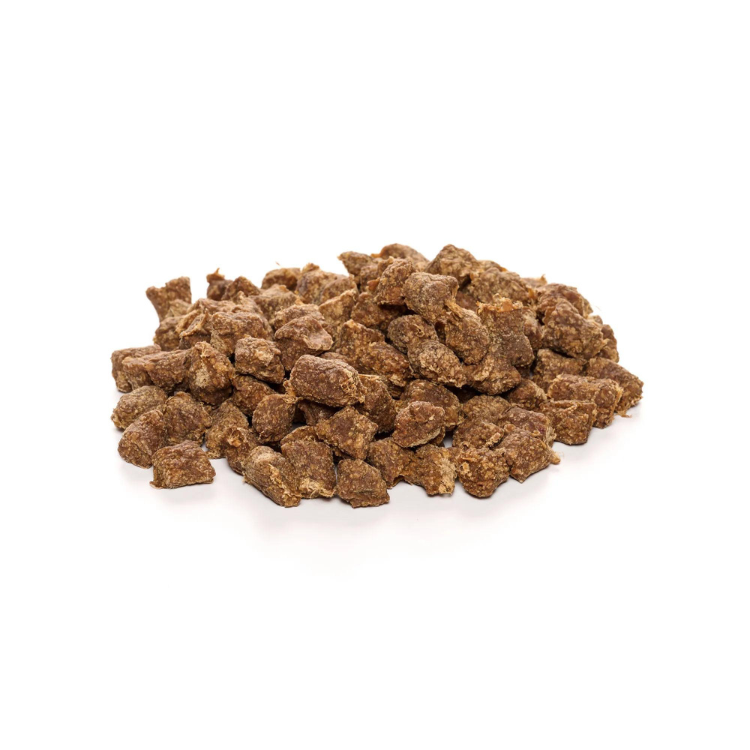
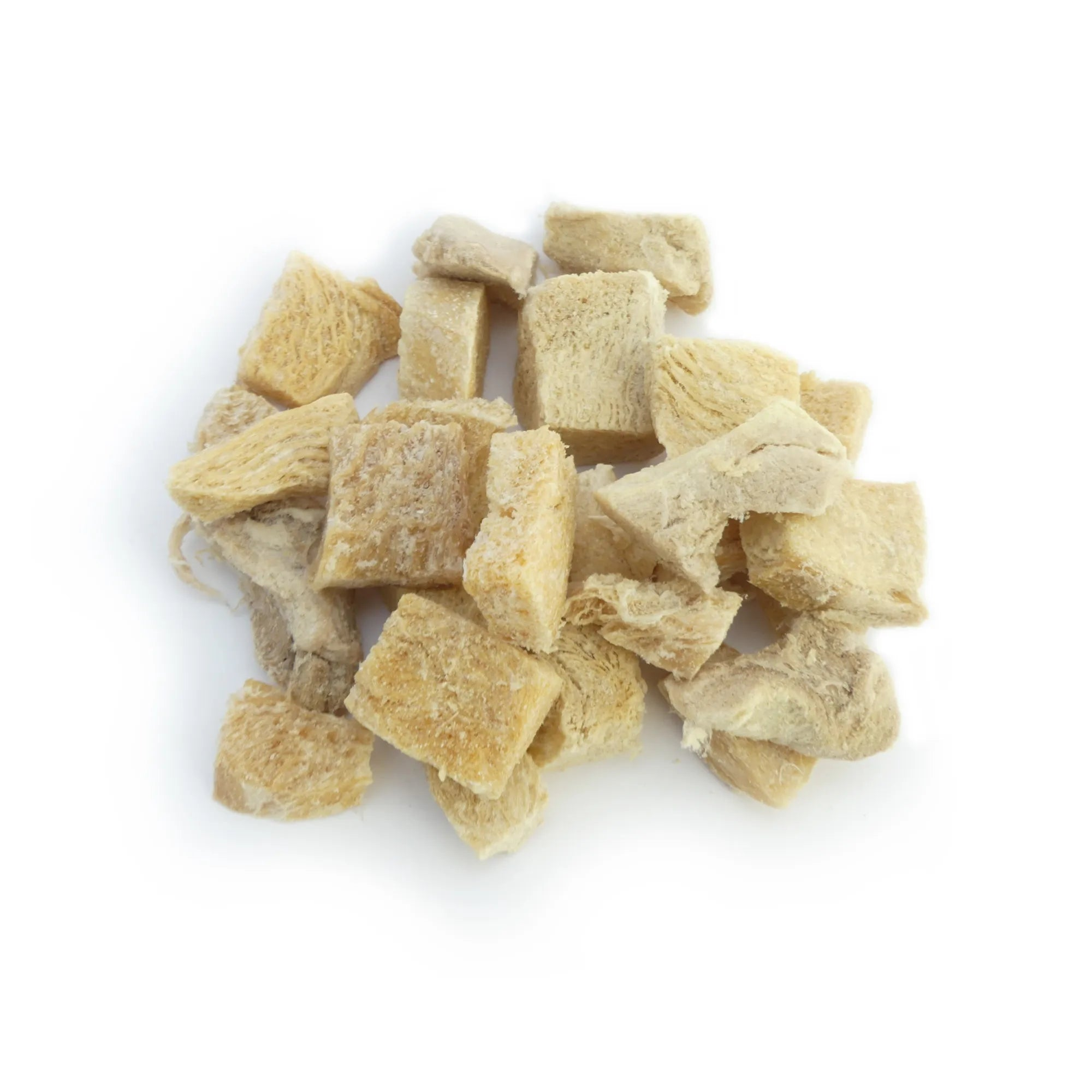
Give your dog joy with our chews!
Conclusion – How to Recognize Your Dog's Food Allergy and Help Effectively
A dog food allergy usually manifests through severe itching, skin changes, and sometimes gastrointestinal problems. If you notice that your dog is unusually often scratching, licking paws, or suffering from ear problems, you should definitely discuss the possibility of an allergy with your veterinarian.
With a targeted elimination diet, you can find the triggers, and with low-allergen food and suitable snacks, you can spare your dog a lot of suffering. For more helpful tips and high-quality products for dog health, visit our blog and discover how you can make your four-legged friend's everyday life easier.
Ensure greater well-being for your dog today and find suitable hypoallergenic snacks and food at snack4pet.com – because a happy dog is a healthy dog! 🐾
Further exciting topics on dogs and nutrition: