
Grain-free treats: sensible or just marketing?
Grain-free treats are not a must for most healthy dogs, but for dogs with a confirmed grain intolerance they make life a lot easier. What matters is less the “grain-free” label than a short, clear ingredient list with a high meat content. In this post you will learn when snacks without grain make sense, how to recognise good products and where marketing exaggerates.
Content: Grain-free treats: sensible or just marketing?
- Do dogs need grain-free treats?
- What’s the problem with grain in snacks?
- Which treats are grain-free?
- Spotting grain-free treats: how to read the label
- Grain-free treats: sensible or just marketing?
- Frequently asked questions about grain-free treats
- Conclusion: use grain-free treats wisely
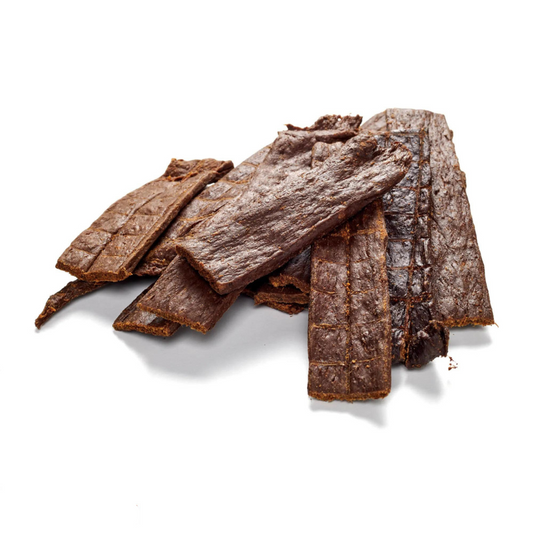
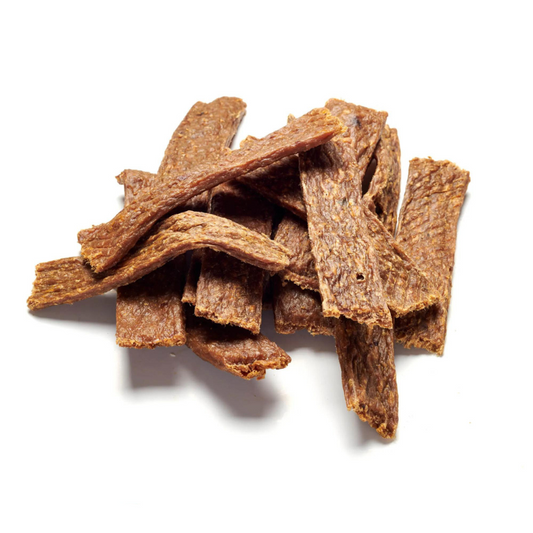
Snacks made from pure meat or fish – completely grain-free:


Do dogs need grain-free treats?
No, most healthy dogs do not need grain-free treats – they can usually digest well-processed grain without any problems. Grain-free treats become useful mainly if your dog demonstrably reacts to a particular grain or if you want to feed as few ingredients as possible.
Dogs and grain: a quick look at the facts
Dogs have evolved alongside humans over thousands of years and can digest starch much better than wolves. Grain is therefore not harmful to dogs in principle. It becomes a problem when grain is used in large quantities as a cheap filler or when an individual dog reacts to it. Why going without grain is often overrated is explained in our post Grain-free or not? The myth surrounding grain-free dog food.
Who grain-free snacks make sense for
- Dogs with an intolerance or allergy to wheat or other grains diagnosed by a vet
- Dogs currently on an elimination diet that may only have selected ingredients
- Dogs with a sensitive stomach that react to snacks with many ingredients with soft stools
- Owners who deliberately look for short ingredient lists and a high meat content
What’s the problem with grain in snacks?
Grain in snacks is mainly a problem when it makes up most of the treat and the meat content is correspondingly low. For dogs with a grain intolerance, even a small amount can also cause symptoms.
Grain as a cheap filler
Many industrially produced treats consist largely of wheat flour, maize flour or cereal by-products. This makes them easy to shape and inexpensive, but provides comparatively little high-quality protein. A snack with “4% meat” on the pack is basically a biscuit with meat flavour.
Possible signs of an intolerance
Food allergies in dogs are often directed against animal proteins such as beef or chicken, and less often against wheat. Typical signs can include:
- persistent itching, especially on the paws, ears and belly
- recurring ear infections
- soft stools, flatulence or occasional vomiting
- reddened skin or increased licking
These signs have many possible causes. So always have them checked by a vet before you change your dog’s food. You can read more about this in our guide Food allergies in dogs.
Which treats are grain-free?
Treats that consist of just one animal ingredient are the ones that are grain-free – dried meat, fish, offal or chews such as tendons and ears. With baked snacks and biscuits, on the other hand, you need to check the ingredient list carefully.
Naturally grain-free snacks
| Type of snack | Typical composition | Grain-free? |
|---|---|---|
| Meat strips and meat cubes | usually 100% meat from one animal species | usually yes |
| Freeze-dried snacks | pure meat, fish or offal | yes |
| Chews such as tendons, ears, scalp | single feed material from one animal | yes |
| Dog biscuits and baked treats | often based on flour | only with a grain-free recipe |
| Sticks and sausages | meat plus binder | check depending on the binder |
You will find a large selection of snacks made from pure meat in our Meat category and among our meat strips. Particularly handy for training are the Salmon thaler mini, which according to the product description consist of 100% salmon.
Freeze-dried: pure and light
Freeze-dried snacks usually consist of just one ingredient and, thanks to the gentle drying process, retain much of their original flavour. They are light, crumble easily and are therefore also suitable for small dogs. One example is the Horse lung freeze dried. You will find more varieties in the freeze-dried category.
Freeze-dried snacks with just one ingredient:


Spotting grain-free treats: how to read the label
The most reliable way to spot grain-free treats is the composition: if it lists only one animal ingredient or no types of grain, the snack is grain-free. The words “grain-free” on the pack, however, say nothing about quality.
What to look for in the ingredient list
- Check the first ingredient: Ingredients are listed by weight. If meat or fish comes first, that is a good sign.
- Recognise types of grain: Wheat, barley, rye, oats, spelt, maize and rice are all grains. “Cereals” or “cereal by-products” as a collective term also count.
- Watch out for substitutes: Grain-free snacks often contain potato, tapioca, peas or sweet potato. That is not bad, but these ingredients also provide starch.
- Prefer short lists: The fewer ingredients, the easier it is to see what your dog tolerates.
- Question additives: Look out for flavourings, sugar or preservatives. The fewer of them, the better.
Grain-free is not the same as gluten-free
Rice and maize are grains but contain no gluten. A snack can therefore be gluten-free without being grain-free. If your vet has diagnosed an intolerance to a specific grain, check carefully which ingredient is meant.
Grain-free treats: sensible or just marketing?
Grain-free treats make sense when they actually benefit your dog – for example with an intolerance or as a single-ingredient snack. As a blanket promise of quality, however, “grain-free” is often mainly marketing.
Where the trend goes too far
- “Grain-free” is sometimes advertised as if grain were harmful to all dogs – there is no evidence for this.
- Some grain-free snacks simply replace grain with other sources of starch and still contain little meat.
- The term says nothing about origin, processing or additives.
Where grain-free snacks have real advantages
- With allergies and elimination diets, ingredients are easier to control.
- Snacks made from pure meat usually contain plenty of protein and are easy to portion.
- Single protein sources make it easier to find triggers – read more in our post on single protein snacks.
For allergic dogs, it is also worth taking a look at the hypoallergenic chews category, which includes varieties such as horse, ostrich or rabbit. Another example of a pure meat snack are the Deer meat strips.
Frequently asked questions about grain-free treats
Do dogs need grain-free treats?
Healthy dogs usually tolerate well-processed grain without problems and do not need special grain-free treats. They make sense with a diagnosed intolerance or during an elimination diet. If in doubt, it is best to clarify this with your vet.
Which treats are grain-free?
Snacks made from a single animal ingredient are naturally grain-free, for example meat strips, freeze-dried meat, fish thalers or chews such as tendons and ears. With biscuits, sticks and sausages you should check the ingredient list.
What’s the problem with grain in snacks?
Grain is not harmful in principle, but it is often used as a cheap filler and then displaces the meat content. For dogs with a grain intolerance, even small amounts can cause symptoms such as itching or soft stools.
Are grain-free treats automatically healthier?
No. A grain-free snack can still contain a lot of starch, sugar or additives. A short ingredient list, a high meat content and the right amount are more important than the label.
Can I give grain-free treats alongside normal food?
Yes, that is no problem at all. Just make sure that treats make up no more than about 10 percent of the daily energy in total, so that the main food covers most of your dog’s needs.
Conclusion: use grain-free treats wisely
Grain-free treats are neither a miracle cure nor pure marketing: for dogs with a grain intolerance they are a real help, for all others the quality of the ingredients is what counts most. If you choose snacks with a single animal ingredient, check the ingredient list and keep an eye on the amount, you are doing everything right for your dog. If you suspect an allergy, your vet is the right person to talk to. You can find background information on food without grain in our post Grain-free dog food – what you should know.
Further reading on this topic:
- Grain-free or not? The myth surrounding grain-free dog food
- Food Allergies in Dogs
- Single protein snacks: treats with just one type of meat
This post was created with the help of AI