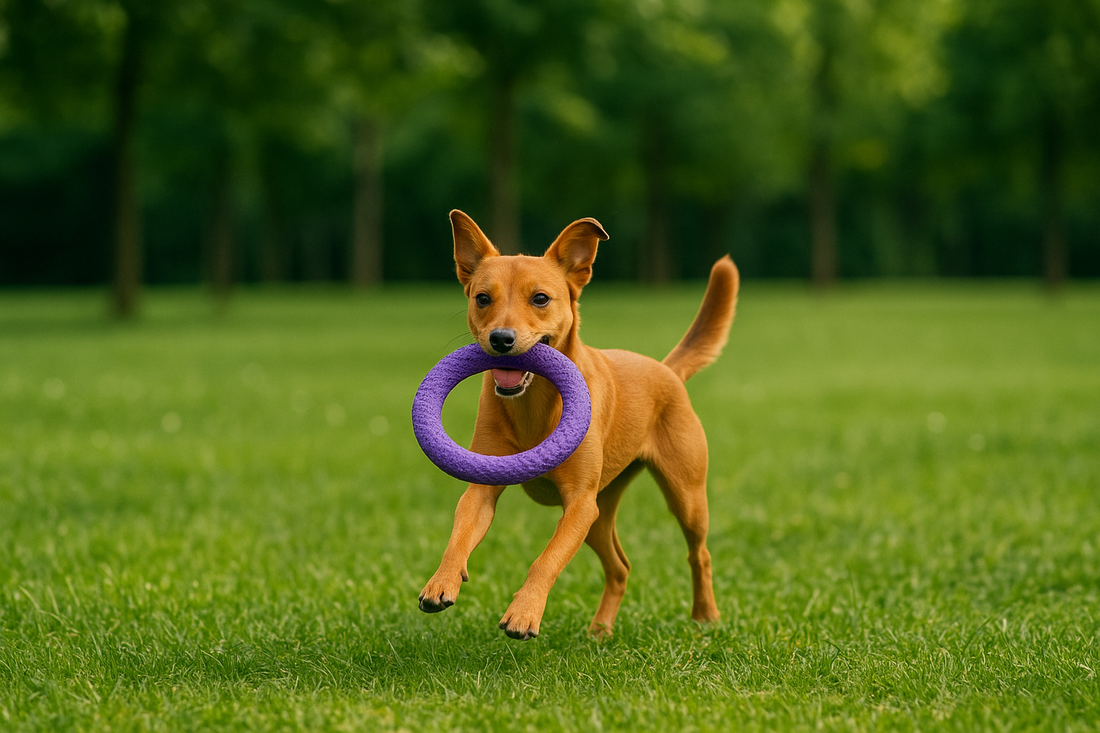
This is how play promotes dog health
Playing is one of a dog's most natural behaviors – and it's far more than mere pastime. Whether romping with other dogs, tugging on a rope, or fetching in the park: play not only promotes physical activity but also mental fitness, social skills, and emotional balance. In this post, we'll show you how important regular play is for your dog's physical and mental health – and how you can integrate play purposefully and appropriately into their daily life.
Contents: How Play Promotes Dog Health
- Play as a Driver for Physical Fitness
- Mental Stimulation through Playful Learning
- Training Social Behavior through Play with Other Dogs
- Play Strengthens the Bond Between Human and Dog
- Stress Reduction and Emotional Balance through Play
- Play Behavior in Puppies, Young Dogs, and Seniors
- Playing Safely and Meaningfully: Tips for Everyday Life
- Conclusion
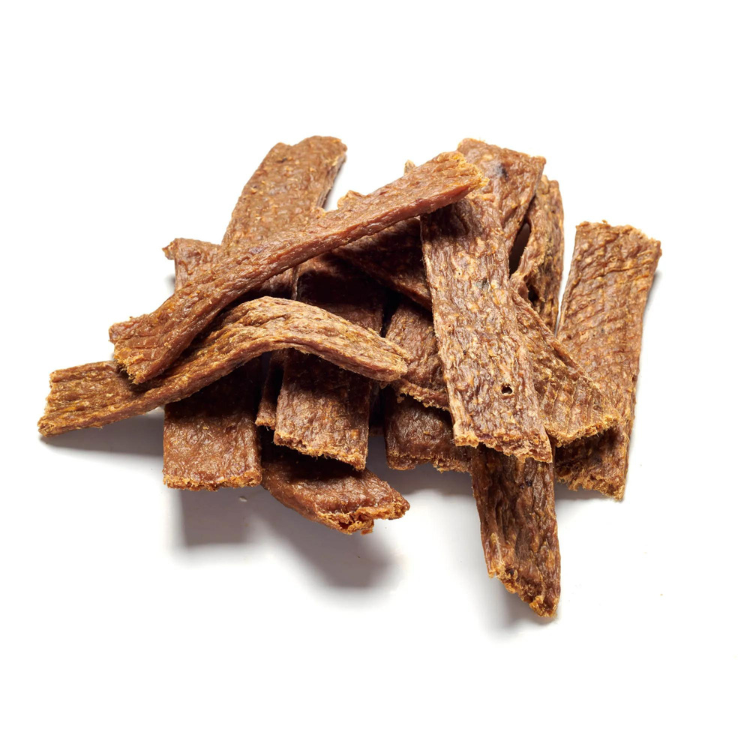
Reward your best friend with our dog snacks!


Play as a Driver for Physical Fitness
Regular play is one of the best ways to keep your dog physically fit and healthy. Whether running, jumping, tugging, or fetching – play builds muscles, mobilizes joints, and activates the cardiovascular system. The joy of movement promotes stamina, coordination, and reaction time. At the same time, obesity in dogs is prevented, which in turn significantly reduces the risk of joint problems, diabetes, or cardiovascular diseases. Particularly active dog breeds benefit from varied, more intense play, while calmer or older dogs should prefer gentler movement games. Make sure that the intensity matches their age, breed, and fitness level. Warm-up and cool-down phases are also part of healthy movement. Important: It's not just monotonous movement that counts, but playful interaction – this keeps your dog motivated, stimulated, and physically balanced.
Mental Stimulation through Playful Learning
Playing challenges not only the body but also the mind. Intelligence games, search games, or tasks with small challenges activate your dog's brain and promote concentration, problem-solving skills, and memory. For dogs that love to learn or get bored quickly, mental stimulation is essential to prevent frustration, boredom, or undesirable behavior. Even simple tasks like hiding treats, purposeful fetching with variations, or combining play and commands train thinking ability and attention. Important here: The difficulty level should be adjusted individually – neither over- nor under-stimulation is useful. Playful learning motivates your dog sustainably, strengthens your trust, and makes training effective and fun on the side.
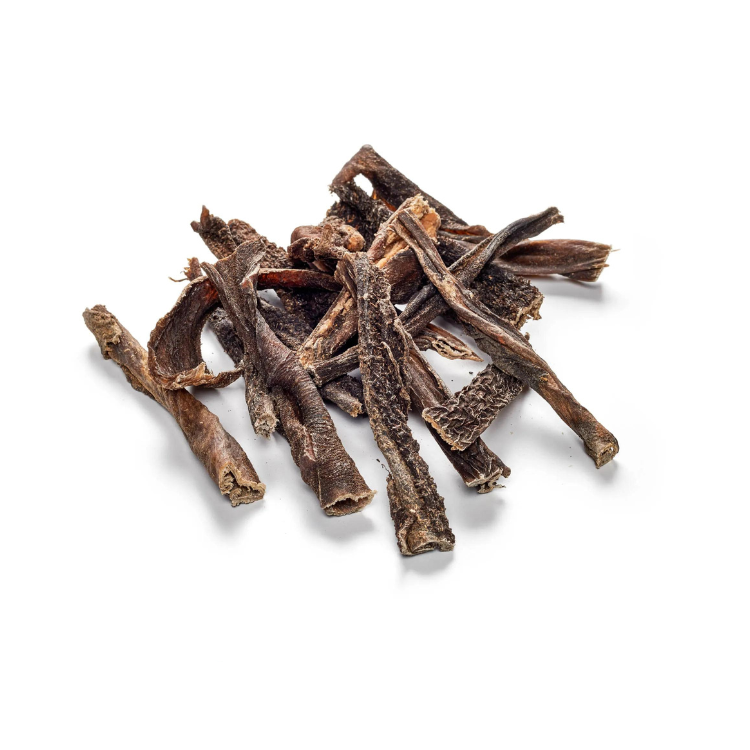
Tasty dog snacks for pure enjoyment available from us!



Training Social Behavior through Play with Other Dogs
Playing with other dogs is not only physically demanding but also a valuable school for social behavior. In controlled play situations, dogs learn to interpret body language correctly, respect boundaries, and adapt their own behavior. Fair role-reversal, play breaks, impressive displays, or submission – all of this is practiced and reinforced during play. Young dogs especially benefit from early positive experiences with other dogs. Adult dogs also need regular social interaction to remain socially compatible. It is important that play partners are well-matched – in temperament, size, and play style. You should recognize and intervene in cases of overstimulation, bullying, or over-excited behavior. Well-observed free play with suitable dog friends strengthens social behavior and makes the dog generally more balanced in dealing with others.
Play Strengthens the Bond Between Human and Dog
Joint play is one of the most effective ways to deepen the relationship between you and your dog. Through playful interaction, trust, closeness, and mutual understanding emerge – far from coercion or training. During play, you take on an active, positive role that your dog associates with joy, reward, and security. Whether it's tug-of-war, search games, or fetching – by responding to your dog's needs and preferences, you not only strengthen your bond but also their focus on you in everyday life. It's important to maintain rules (e.g., controlled start and end of play) to create structure and prevent overstimulation. Shared play promotes communication, is fun, and creates emotional closeness – the foundation for a stable, trusting human-dog relationship.
Stress Reduction and Emotional Balance through Play
Play is a natural way for dogs to relieve stress and regulate emotional tension. Through physical activity, controlled arousal, and positive stimuli, pent-up energy can be released in a healthy way. Especially in situations with a lot of overstimulation – such as after being alone, during changes of location, or after vet visits – targeted play helps to release internal pressure. In addition, playing releases happiness hormones like dopamine, which provide relaxation, contentment, and emotional balance. Regular play sessions thus contribute to your dog becoming generally calmer and more resilient. It is important that play does not turn into over-excitement or frustration – choose types of play that are good for your dog and ensure timely breaks. Even gentle play with clear routines can help reduce stress and strengthen emotional balance.
Play Behavior in Puppies, Young Dogs, and Seniors
Your dog's play behavior changes throughout its life – and should always be adapted to its age, developmental stage, and physical condition. Puppies learn basic behaviors like bite inhibition, social signals, and coordination through play. Short, frequent play sessions promote their development and bond them with humans. Young dogs are often particularly energetic and need structured play phases with clear rules to avoid becoming over-excited. Here, impulse control and targeted training are particularly important. Adult dogs benefit from a balanced variety of exercise, mental games, and social contact. Seniors, in turn, need gentler play options – e.g., nose work or quiet interactions – that challenge them but do not physically overtax them. Pay attention to their mobility, stamina, and potential pain. The right play offerings support your dog's health, joy of life, and mental fitness at every stage of life.
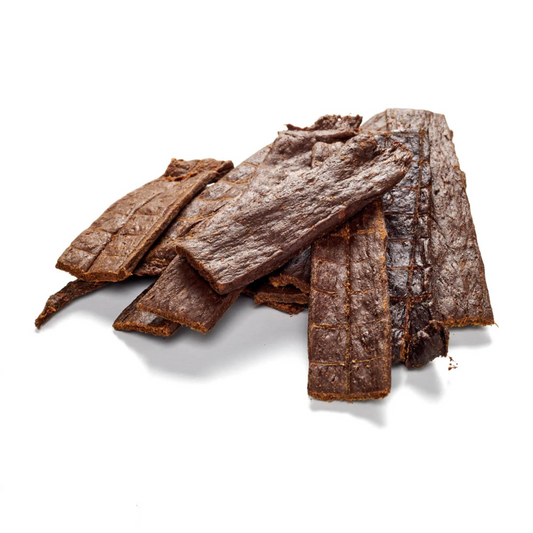
Reward your best friend with our dog snacks!

Playing Safely and Meaningfully: Tips for Everyday Life
To ensure play doesn't become a burden, you should consider some basic rules. Choose toys that are robust, free of harmful substances, and adapted to your dog's size – especially for tug-of-war or fetching items. Actively supervise play, particularly during encounters with other dogs. Prevent over-excitement or aggressive behavior early on by calmly interrupting or taking short breaks. The location also plays a role: off-leash areas, fenced meadows, or your own garden are better suited than streets or cluttered areas. Plan playtimes specifically and ensure clear routines: e.g., a short ritual before starting and a conscious ending. This teaches your dog to perceive play as a controlled and positive activity. Pay attention to signs of exhaustion or frustration and adjust the duration and intensity individually. Safe, varied play increases joy of life and well-being – completely without risk.
Conclusion
Play is much more than just an activity – it promotes physical fitness, strengthens the mind, improves social behavior, and deepens the bond between dog and human. At the same time, it helps reduce stress and ensures emotional balance. However, play should always be adapted to age, temperament, and health status. Those who play regularly and consciously with their dog support its health and strengthen mutual trust – for an active, balanced, and happy dog life.
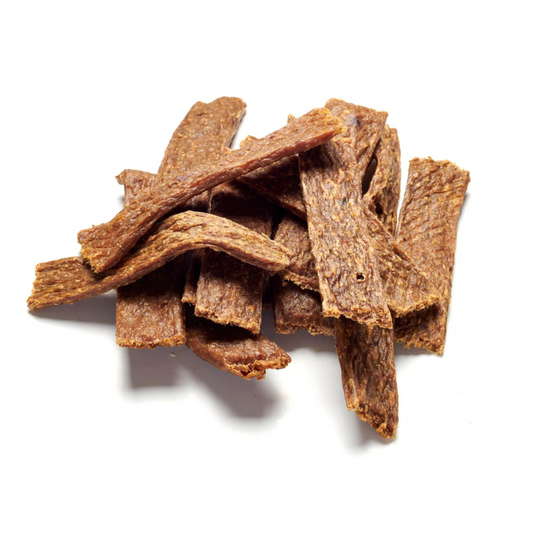
Give your dog enjoyment with our chew items!