
The dog's nose: Fascinating facts about the sense of smell
The dog's sense of smell is not only amazing, but a true super-organ for your four-legged friend. In this post, you will learn how dogs smell, how diversely they use their noses, and why nose work is so important for them. Dive into the exciting world of the canine nose with me – amazing facts, practical tips, and answers to frequently asked questions about the topic await you here.
Content: The dog's nose: Fascinating facts about the sense of smell
- Why is the dog's sense of smell so special?
- Dog nose work: Why it is so important
- Which dog breeds have the best sense of smell?
- How do I train my dog's sense of smell?
- Frequently asked questions about the dog's sense of smell
- Conclusion: Your dog's nose is a true miracle
Make your dog happy with our delicious snacks!


Why is the dog's sense of smell so special?
You have surely wondered why your dog's nose is always on reception and how it is possible for him to perceive scents that we humans do not even notice.
The biological basis
- Dogs possess up to 300 million olfactory cells – we humans, on the other hand, have only about 5 million.
- The olfactory center in a dog's brain is proportionally three times as large as that of a human.
- The sense of smell is the primary sensory organ for dogs and has a direct influence on their behavior and perception.
How dogs smell: A complex interaction
A dog's nose is a true miracle of nature:
- Separation of air: When inhaling, dogs can smell, and at the same time, they can direct the air outwards when exhaling without disturbing the "fresh" air.
- Jacobson's organ: A special organ in the palate with which dogs can perceive pheromones and certain chemical signals.
- Nasal folds and nasal hairs: Help to direct scents directly to the olfactory epithelium and protect the nasal surface.
These ingenious mechanisms make dogs' sense of smell so sensitive and precise.
Dog nose work: Why it is so important
The nose is the most important tool for a dog – nose work is therefore not just an activity, but also promotes the mental health of your favorite pet.
Benefits of nose work
- Mental balance: Nose work training challenges your dog's senses and provides mental stimulation, even if he has to take it easy physically for a while.
- Stress relief: It has been proven that sniffing has a relaxing effect and reduces anxiety.
- Promotes bonding: Working together strengthens the relationship between you and your dog.
- Promotes concentration and self-confidence: Your dog learns to focus and consciously experience successes.
Practical ideas for nose work
You can easily try nose work at home or outdoors:
- Scent games with treats: Hide small snacks in your home or garden.
- Scent discrimination: Teach your dog to distinguish between different scents.
- Retrieving scented objects: Playfully develop your dog's sense of smell and motivation.
Spoil your four-legged friend with our delicate chew treats!

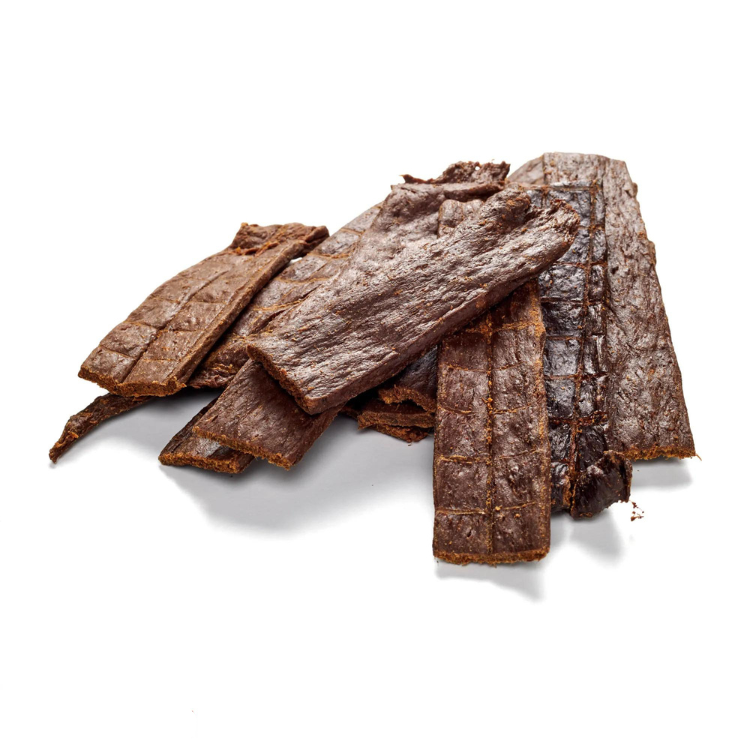
You can find more exciting tips in our blog, for example in our article about scent hounds.
Which dog breeds have the best sense of smell?
Some dog breeds are particularly well-known for their outstanding nose work. If you are interested in working or engaging with your dog, these breeds might be interesting for you:
- Bloodhound: A true scent miracle, often used by the police.
- Beagle: Small tracking dogs with great talent for scent. You can read more about the Beagle in our section Beagle.
- German Shepherd: Not only intelligent, but also an excellent scent specialist.
- Bracken and Pointing Dogs: Particularly valued in hunting, as you can read in our articles about Bracken and Pointing dogs.
How do I train my dog's sense of smell?
The sense of smell does not only work instinctively; it can be specifically trained and encouraged. This is not only fun, but also increases your dog's concentration and well-being.
How to start with nose work
- Choose a suitable search object: This can be a favorite treat or a familiar toy object.
- Keep the scent clear: Let your dog smell the object before he starts searching.
- Provide motivation: Reward your dog immediately when he finds the search object.
- Increase the difficulty level: Hide the object in increasingly challenging places – e.g., behind furniture or under blankets.
- Be patient: Every dog learns at its own pace.
Useful equipment for nose work
- Scent tins or pouches: With these, you can pack different scents securely and hygienically.
- Snuffle mats: Special textiles in which you can hide snacks.
- Treats: Small, tasty rewards support motivation.
Frequently asked questions about the dog's sense of smell
How strong is a dog's sense of smell compared to a human's?
A dog's sense of smell is about 10,000 to 100,000 times stronger than a human's. This allows them to perceive tiny scent traces and even recognize individual scent substances.
Can you encourage a dog's sense of smell?
Absolutely! Nose work and targeted search games are ideal for training and stimulating the sense of smell. This keeps you active and your dog mentally fit.
What effect does damage to the nose or sense of smell have?
If dogs lose their sense of smell due to illness or injury, it can be very stressful, because the nose is essential for many activities and their orientation. In such cases, special consideration and possibly a visit to the veterinarian is important.
High-quality dog chew treats to spoil your dog, available now!
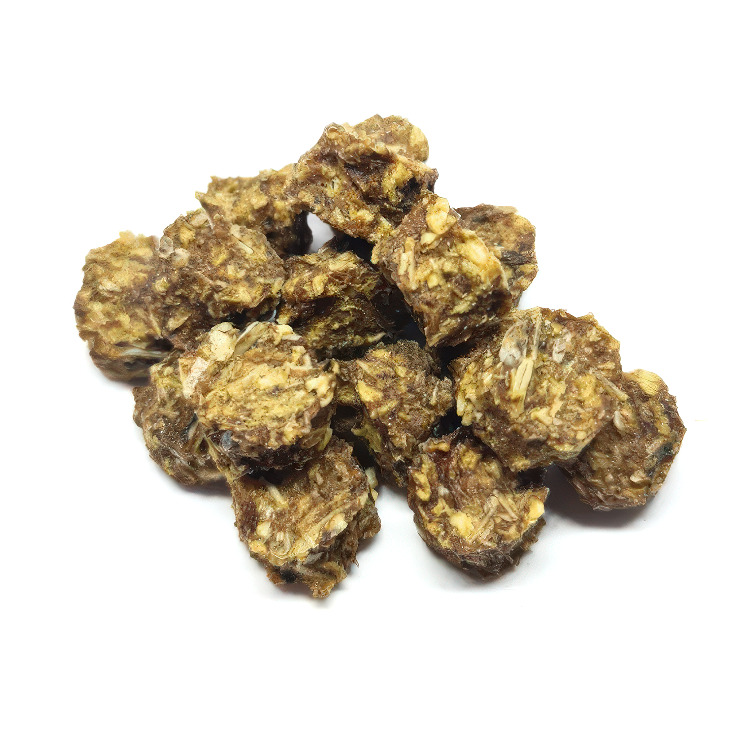
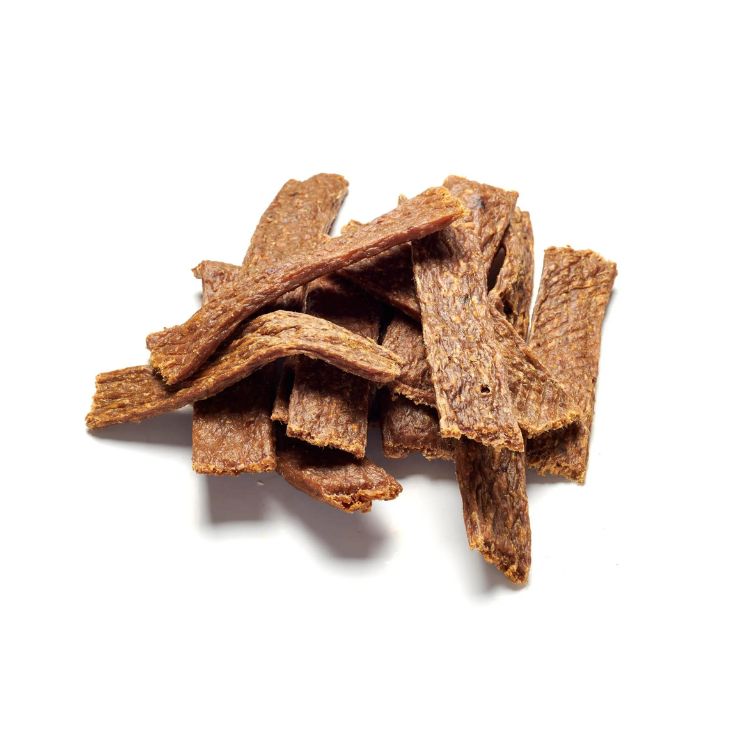
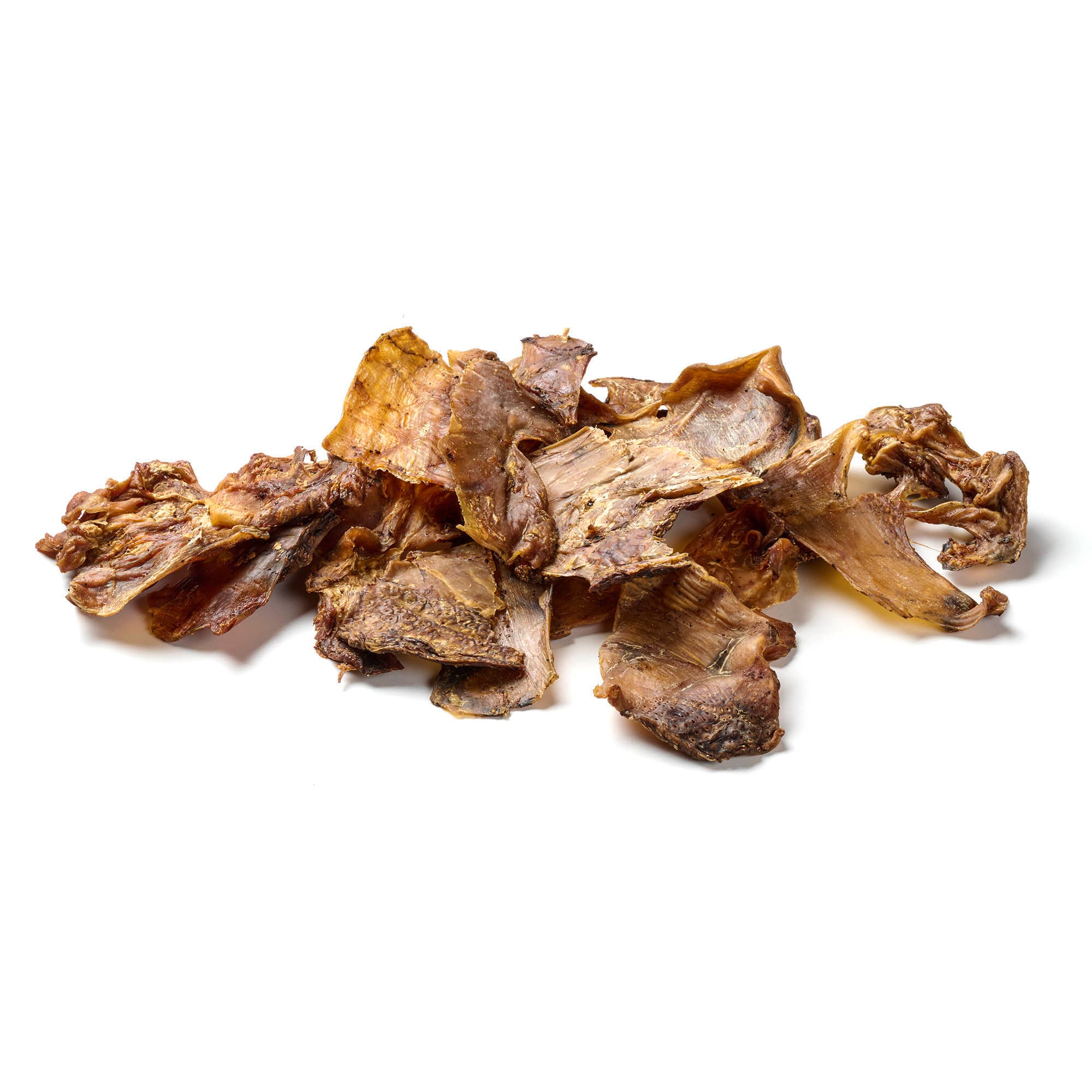
Conclusion: Your dog's nose is a true miracle
The dog's sense of smell is more than just a sense – it is the gateway to your four-legged friend's world. Nose work offers a wonderful way to keep your dog mentally active, relieve stress, and strengthen your bond. So why not start today with a small search game and discover the fascinating world of "how dogs smell" for yourself?
Try it out and also take a look at our blog – there you will find helpful tips on species-appropriate activities, for example also on the topic of dog breeds with a special focus and healthy snack offers.
Do you want to know more or get started right away?
Check out snack4pet.com and discover how you can spoil your dog with great treats and exciting activities!
Further articles on the topic:
- Scent hounds: Specialists in smelling
- Bracken: Hunting dogs with a fine sense of smell
- Beagle: The scent tracker among family dogs
This post was created with the help of AI